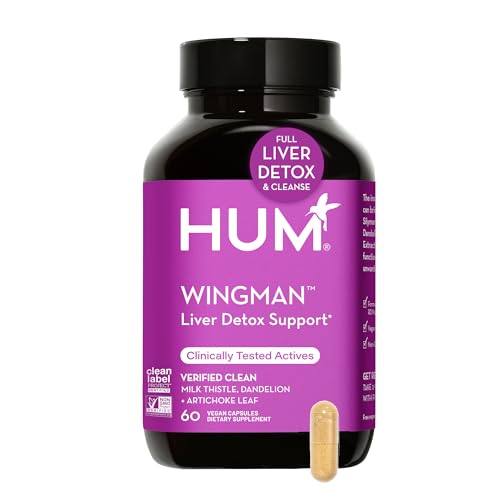
Each capsule delivers 300mg of **Milk Thistle Extract** standardized to 80% silymarin — giving you 240mg of the active flavonoids responsible for liver-protective effects. That puts a single capsule right in the middle of the 150–600mg clinical range. The label suggests 1–3 capsules daily, so at the full 3-capsule dose you're getting 900mg, well above what most studies used.
**Dandelion** (100mg) and **Artichoke** (50mg) round out the formula as traditional liver-support herbs. Both are dosed well below their studied ranges (500–1,500mg for dandelion, 300–640mg for artichoke), so they're contributing minimally at these amounts. Artichoke has moderate clinical evidence for bile flow and digestion, but you'd need several times this dose to match the research.
The milk thistle itself uses a standard extract rather than a phytosome form, which means lower absorption of the key compound silybin. If your main goal is liver support, the silymarin dose is solid — but getting more silybin into your bloodstream would require a phytosome-bound form.
BioStacks
Other Ingredients (4)
Magnesium StearateLubricant
A salt of stearic acid used as a lubricant in tablet and capsule production
Silicon DioxideAnti-caking
Fine silica powder used to prevent clumping
HypromelloseCapsule
Plant-derived capsule material from cellulose
Microcrystalline CelluloseBinder
Plant-derived cellulose used as a binder and filler in supplements
How to Take It
Take it anytime
Silymarin barely dissolves in water — a fat-containing meal meaningfully improves absorption.
With a meal containing fat
On the label
Suggested Usage: Take 1 capsule 1 to 3 times daily.
General guidance based on the ingredients, not a substitute for the label or your doctor.
Price Check
$26.24
Pricier than 71% of 89 milk thistle supplements
Track this supplement in your stack
Get personalized insights, interactions, and coverage recommendations.
Get Started FreeSimilar Supplements
Sources & Scoring
Nutrient data (RDA, UL, and safety thresholds) sourced from the NIH Office of Dietary Supplements and the National Academies Dietary Reference Intakes (DRI).
This is not medical advice. Consult a healthcare provider before making changes to your supplement routine.
The score analyzes what's on the label: ingredient doses vs. studied ranges, chemical forms, evidence levels, and known interactions. It does not verify label accuracy or test for contaminants — for that, look for third-party certifications like USP or NSF.