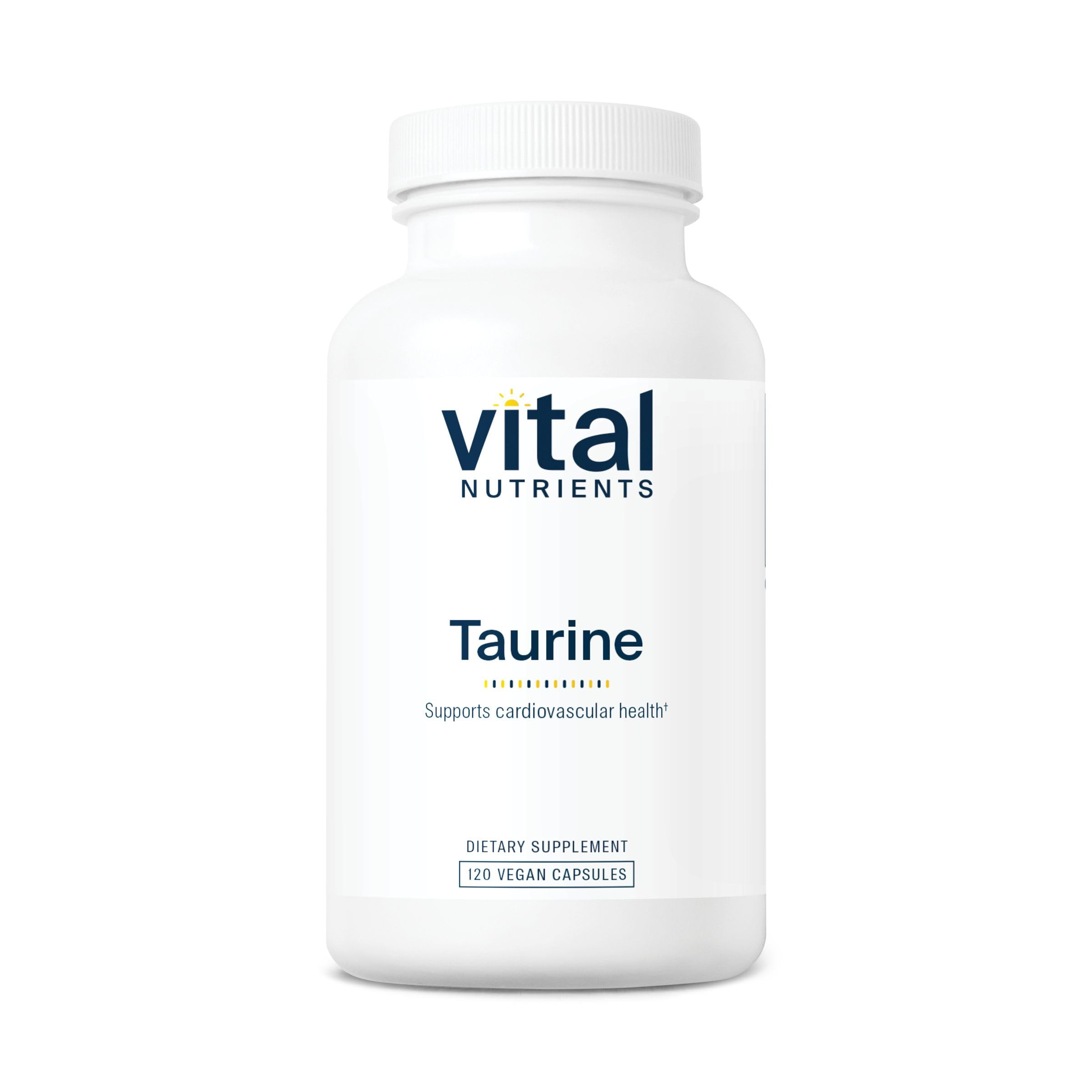
If you're targeting heart health, blood pressure, or exercise recovery, this delivers a clinically relevant dose. **Taurine** at 1,000mg per capsule puts you at the entry point of the 1,000–3,000mg clinical range — and at the suggested two capsules daily, you hit 2,000mg, squarely in the zone used in cardiovascular and metabolic research. Taurine has strong clinical backing from dozens of RCTs across heart health, blood pressure, and exercise recovery.
The free-form delivery means your body can absorb it without needing to break down protein bonds first. The flexible dosing — one or two capsules — lets you adjust based on your goals, whether that's general antioxidant support at one capsule or the fuller cardiovascular dose at two.
There's nothing else in this formula, which keeps it straightforward but means you won't get any complementary nutrients. If you're targeting heart health specifically, pairing taurine with other cardiovascular-supporting nutrients would be something to consider separately.
BioStacks
Other Ingredients (2)
Microcrystalline CelluloseBinder
Plant-derived cellulose used as a binder and filler in supplements
Stearic AcidLubricant
Saturated fatty acid used as tablet lubricant
How to Take It
Take it anytime
Timing doesn't matter; take it whenever you'll remember.
With or without food
On the label
Suggested Usage: Take 1 capsule 1 to 2 times daily with juice or water, preferably between meals.
General guidance based on the ingredients, not a substitute for the label or your doctor.
Price Check
$9.17
Cheaper than 82% of 43 taurine supplements
Track this supplement in your stack
Get personalized insights, interactions, and coverage recommendations.
Get Started FreeSimilar Supplements
Sources & Scoring
Nutrient data (RDA, UL, and safety thresholds) sourced from the NIH Office of Dietary Supplements and the National Academies Dietary Reference Intakes (DRI).
This is not medical advice. Consult a healthcare provider before making changes to your supplement routine.
The score analyzes what's on the label: ingredient doses vs. studied ranges, chemical forms, evidence levels, and known interactions. It does not verify label accuracy or test for contaminants — for that, look for third-party certifications like USP or NSF.