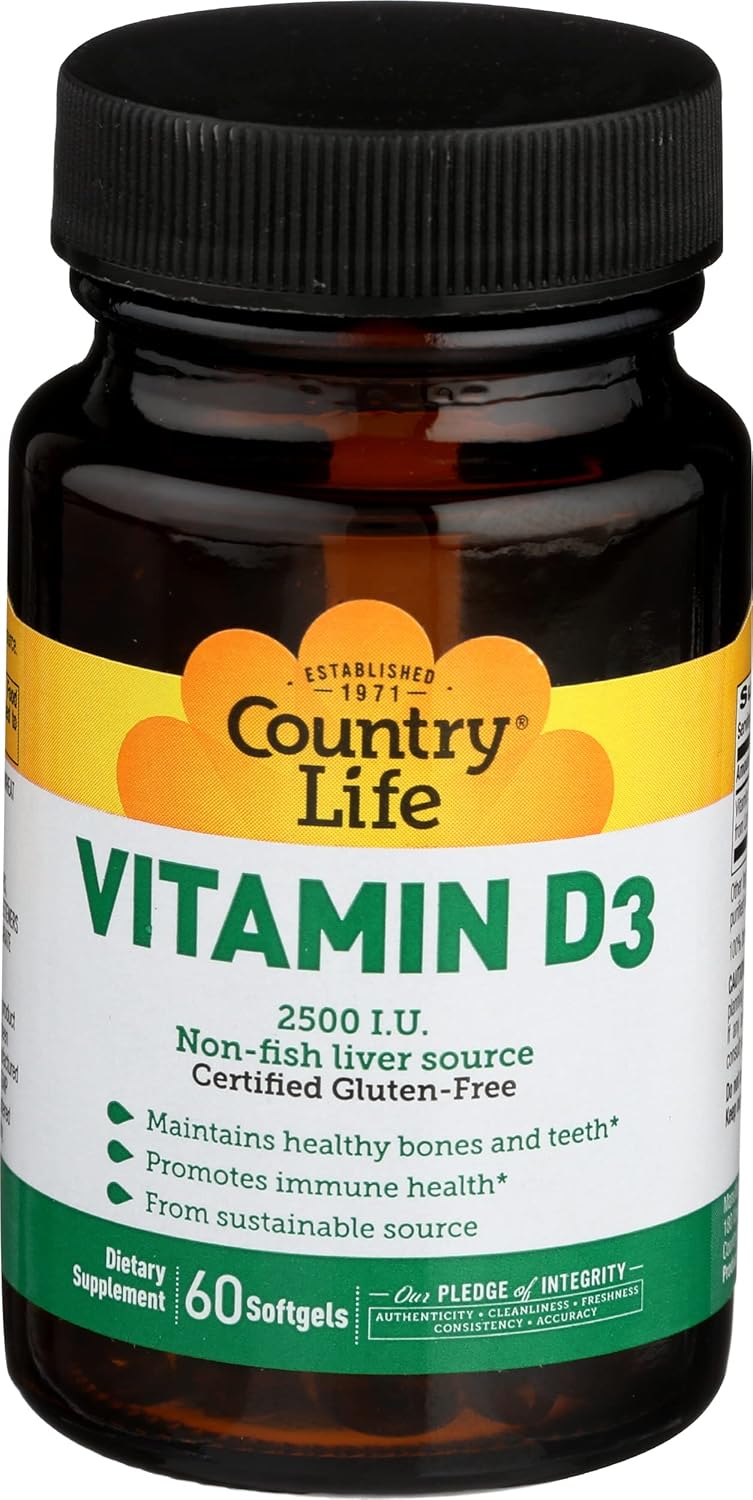
**Vitamin D3** at 2,000 IU per softgel puts you squarely within the clinically supported 1,000–5,000 IU/day range for maintaining healthy blood levels, supporting bone density, and strengthening immune function. For most people, this is a reliable maintenance dose — enough to keep you above deficiency without approaching the 4,000 IU tolerable upper limit.
The softgel delivers D3 as cholecalciferol suspended in extra virgin olive oil, which helps your body absorb it since vitamin D is fat-soluble. One capsule daily with a meal is all it takes, and the oil carrier means you don't need to worry about pairing it with a fatty food separately.
If you're correcting a known deficiency, live in a northern latitude with limited sun, or have darker skin, 2,000 IU may not be enough — many practitioners recommend 4,000–5,000 IU in those situations. Check your blood levels to know where you stand.
BioStacks
Other Ingredients (5)
GelatinCapsule
Protein derived from collagen, used in traditional capsule shells
Extra Virgin Olive OilCarrier
Cold-pressed olive oil used as a carrier and filler in softgel capsules for fat-soluble nutrients
GlycerinHumectant
Sweet-tasting liquid used in soft capsules and liquids
Safflower Seed OilCarrier
Light, neutral oil from safflower seeds used as a carrier in softgels for fat-soluble nutrients
Purified WaterSolvent
Water meeting USP specifications used as solvent/vehicle in gummies and liquids
How to Take It
Take it anytime
Fat-soluble — take with your largest fat-containing meal. Time of day doesn't matter.
With a meal containing fat
On the label
Suggested Usage: Take 1 softgel daily with a meal.
General guidance based on the ingredients, not a substitute for the label or your doctor.
Price Check
$4.71
Cheaper than 98% of 552 vitamin D supplements
Track this supplement in your stack
Get personalized insights, interactions, and coverage recommendations.
Get Started FreeSimilar Supplements
Sources & Scoring
Nutrient data (RDA, UL, and safety thresholds) sourced from the NIH Office of Dietary Supplements and the National Academies Dietary Reference Intakes (DRI).
This is not medical advice. Consult a healthcare provider before making changes to your supplement routine.
The score analyzes what's on the label: ingredient doses vs. studied ranges, chemical forms, evidence levels, and known interactions. It does not verify label accuracy or test for contaminants — for that, look for third-party certifications like USP or NSF.