If you’re looking to support your body’s glutathione production and antioxidant defenses, this provides the key building block. At one tablet, you're getting 500 mg of **L-Cysteine** — just below the 600 mg minimum used in clinical research. Following the label's suggestion of 1–3 tablets daily puts you at 500–1,500 mg, comfortably within the studied range for supporting liver health and antioxidant capacity.
You're also getting 60 mg of **Vitamin C** and 10 mg of **Vitamin B6**, both of which play supporting roles in cysteine metabolism and glutathione recycling. These are modest doses — well below their own clinical ranges — so think of them as functional co-factors rather than standalone contributors.
One thing worth knowing: if you're supplementing for glutathione support, most clinical research actually uses NAC (N-Acetyl-L-Cysteine), which is more stable and better studied. Free-form L-Cysteine is less researched as a standalone supplement, so the evidence base here is thinner than the dose alone might suggest.
BioStacks
Best for
Ingredients (3)
Vitamin B6
40%Dose
10 mg
Target
25–100 mg
Form
Premium
L-Cysteine Hydrochloride
83%Dose
500 mg
Target
600–1800 mg
Form
Premium
Vitamin C
24%Dose
60 mg
Target
250–2000 mg
Form
Budget
Other Ingredients (5)
Magnesium StearateLubricant
A salt of stearic acid used as a lubricant in tablet and capsule production
Silicon DioxideAnti-caking
Fine silica powder used to prevent clumping
Coating (unspecified)Coating
Generic tablet coating declaration where the label does not itemize the coating's components; modern aqueous film coatings are typically cellulose-based (HPMC) with a plasticizer
Citric AcidAcidulant
Natural acid derived from citrus fruits
Microcrystalline CelluloseBinder
Plant-derived cellulose used as a binder and filler in supplements
How to Take It
Best taken in the morning
Many people prefer B-vitamins earlier in the day; take with food to avoid nausea.
With food
On the label
Suggested Usage: Take 1 tablet 1 to 3 times daily as needed.
General guidance based on the ingredients, not a substitute for the label or your doctor.
Track this supplement in your stack
Get personalized insights, interactions, and coverage recommendations.
Get Started FreeSimilar Supplements
Doctor's Best
5-HTP Enhanced with Vitamins B6 and C
🛡️ for Immune
58
Nature's Way
5-HTP
🛡️ for Immune
58
Life Extension
Life Extension, Glutathione, Cysteine & C, 100 Capsules
🛡️ for Immune
45
Life Extension
Effervescent Vitamin C Magnesium Crystals
🦷 for Dental
41
21st Century
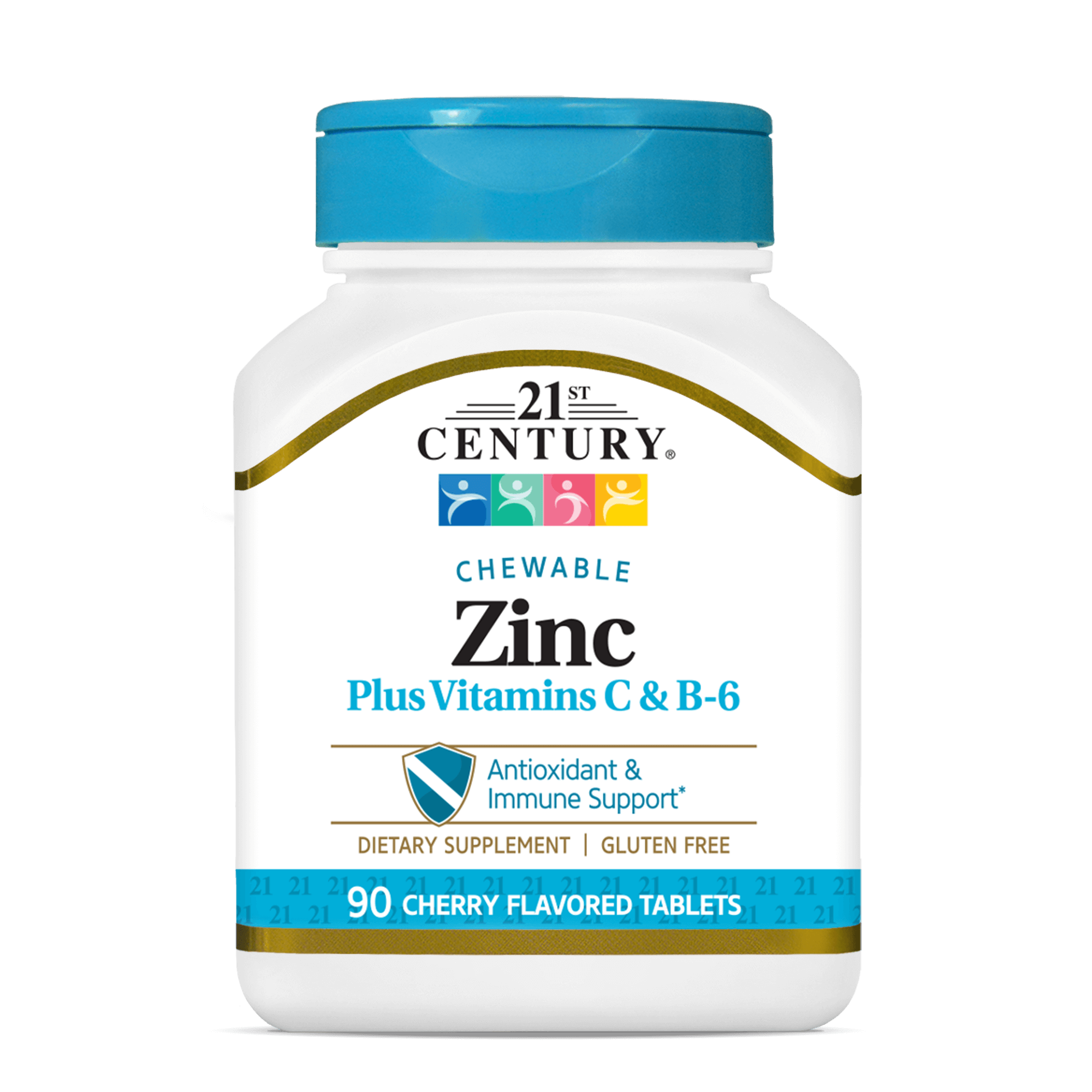
Chewable Zinc plus Vitamins C & B-6 (Cherry)
🛡️ for Immune
38
Sources & Scoring
Nutrient data (RDA, UL, and safety thresholds) sourced from the NIH Office of Dietary Supplements and the National Academies Dietary Reference Intakes (DRI).
This is not medical advice. Consult a healthcare provider before making changes to your supplement routine.
The score analyzes what's on the label: ingredient doses vs. studied ranges, chemical forms, evidence levels, and known interactions. It does not verify label accuracy or test for contaminants — for that, look for third-party certifications like USP or NSF.