At 400mg of elemental **Magnesium** per capsule, you're hitting the top of the clinically studied supplemental range (100–400mg) in a single dose. That's enough to meaningfully support muscle relaxation, energy production, and sleep quality — areas where magnesium deficiency (which affects over half the population) makes supplementation particularly impactful.
The formula blends three forms: **Magnesium Citrate**, **Magnesium Aspartate**, and **Magnesium Oxide**. Citrate absorbs reasonably well, but oxide has roughly 4% absorption — so a portion of that 400mg label dose passes through your body without much benefit. Your actual absorbed magnesium will be lower than the number on the label.
This dose sits above the 350mg tolerable upper limit for supplemental magnesium, and the oxide and citrate fractions are more likely to cause loose stools than gentler forms like glycinate. If that's an issue, splitting the capsule across two meals or taking it with food can help.
BioStacks
Other Ingredients (4)
Rice FlourFiller
Rice-based ingredients carry risk of inorganic arsenic contamination (FDA and Consumer Reports). Rice accumulates arsenic from soil at higher rates than other grains. Used as a cheap filler — adds nothing beneficial.
Silicon DioxideAnti-caking
Fine silica powder used to prevent clumping
HypromelloseCapsule
Plant-derived capsule material from cellulose
Stearic AcidLubricant
Saturated fatty acid used as tablet lubricant
How to Take It
Best taken in the evening
Magnesium citrate pulls water into the bowel — mildly laxative at higher doses. Evening suits that; split the dose or switch to glycinate if it's too much.
With or without food
Space it a couple of hours from Iron and Calcium
On the label
Suggested Usage: Take 1 capsule daily.
General guidance based on the ingredients, not a substitute for the label or your doctor.
Price Check
$14.69
Cheaper than 76% of 579 magnesium supplements
Track this supplement in your stack
Get personalized insights, interactions, and coverage recommendations.
Get Started FreeSimilar Supplements
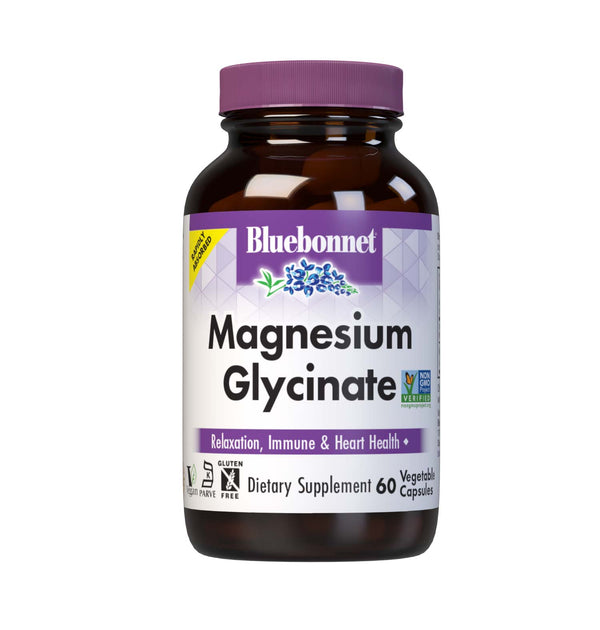
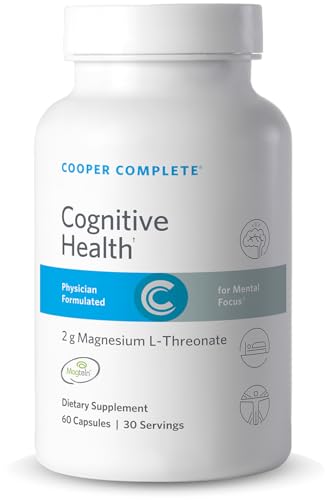
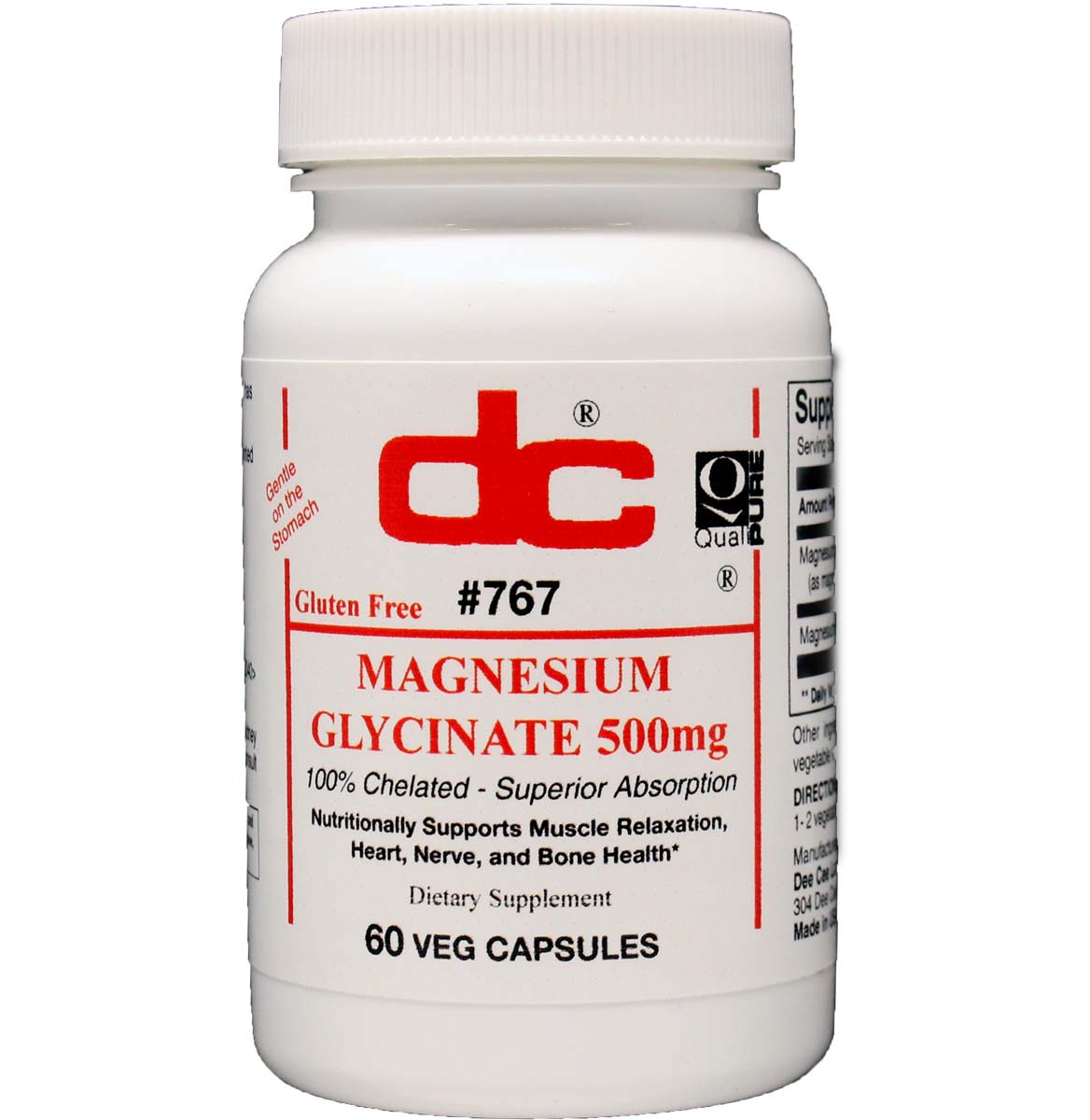
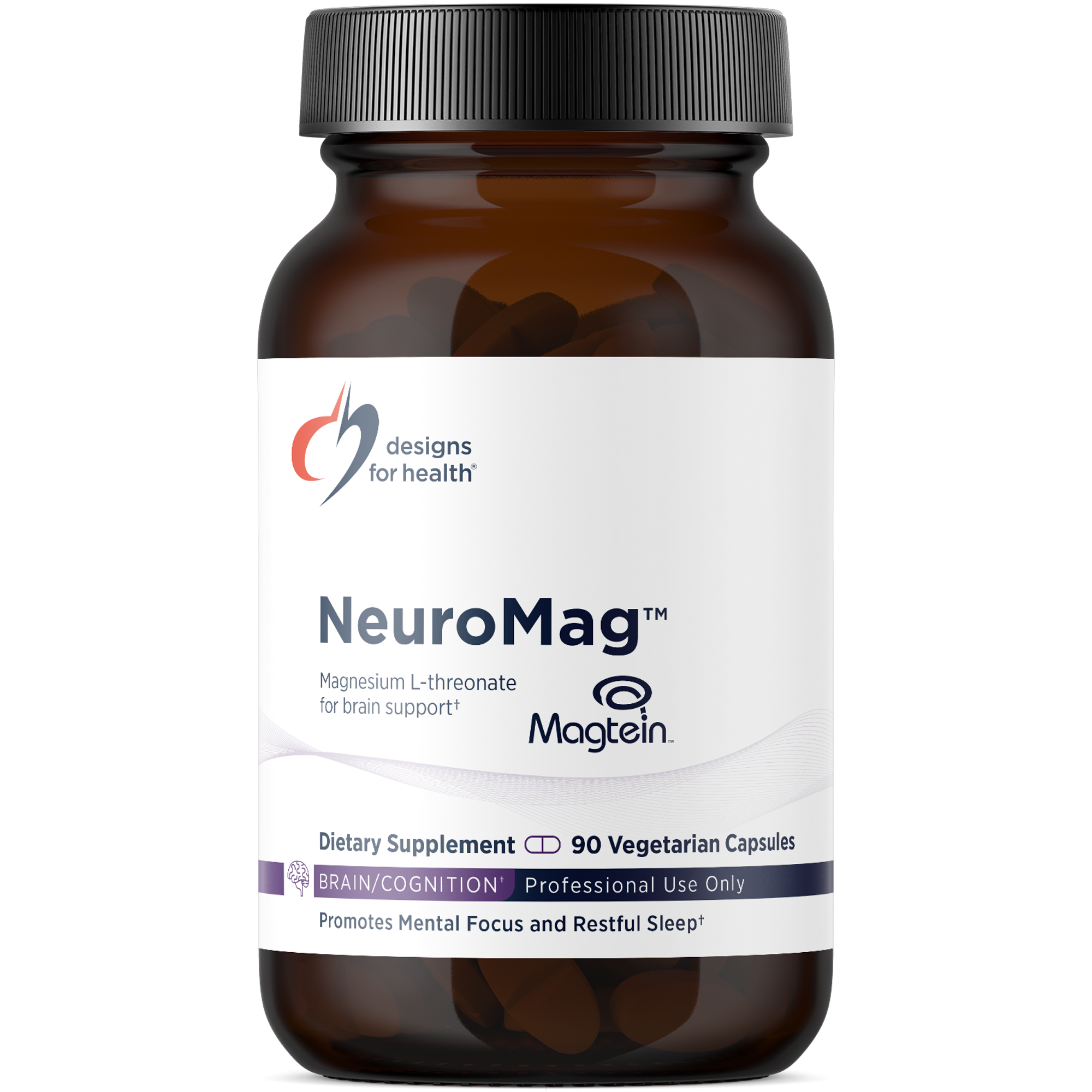
Sources & Scoring
Nutrient data (RDA, UL, and safety thresholds) sourced from the NIH Office of Dietary Supplements and the National Academies Dietary Reference Intakes (DRI).
This is not medical advice. Consult a healthcare provider before making changes to your supplement routine.
The score analyzes what's on the label: ingredient doses vs. studied ranges, chemical forms, evidence levels, and known interactions. It does not verify label accuracy or test for contaminants — for that, look for third-party certifications like USP or NSF.