You're getting 200mg of elemental **Magnesium** per serving from **Albion Magnesium Bisglycinate**, a chelated form that absorbs efficiently and is easy on your stomach. At one serving daily, you're at the midpoint of the 100–400mg clinical range — enough to help with muscle function, energy production, and nervous system support. Follow the label's suggestion of two servings daily (4 tablets) and you hit 400mg, the top of the studied range for sleep quality, stress reduction, and heart rhythm support.
The bisglycinate form matters here. The glycine in the chelate has its own calming properties, making this form particularly well-suited if your goal is sleep or stress support. Magnesium deficiency is estimated to affect over half the population because standard blood tests don't reflect what's stored inside your cells — so even if your labs look normal, supplementation can fill a real gap.
The main consideration is pill burden. Reaching the full 400mg dose means four tablets daily, so if you prefer fewer pills, you'd be getting a partial but still meaningful dose at two tablets.
BioStacks
Other Ingredients (8)
Silicon DioxideAnti-caking
Fine silica powder used to prevent clumping
Citric AcidAcidulant
Natural acid derived from citrus fruits
Hydroxypropyl CelluloseBinder
An inert modified-cellulose polymer used as a binder, film-former, and disintegrant.
HypromelloseCapsule
Plant-derived capsule material from cellulose
Stearic AcidLubricant
Saturated fatty acid used as tablet lubricant
Sunflower LecithinEmulsifier
Non-GMO, non-allergenic emulsifier derived from sunflower seeds
Sunflower Seed OilCarrier
Common vegetable oil from sunflower seeds used as a carrier in softgels for fat-soluble nutrients
Triethyl CitrateCoating
A citric acid ester used as a plasticizer in film and enteric coatings
How to Take It
Best taken in the evening
Magnesium bisglycinate is the gentlest form on the gut and the one most people take at night. Absorption doesn't change with the clock — consistency does.
With or without food
Space it a couple of hours from Iron and Calcium
On the label
Suggested Usage: Take 2 tablets 1 to 2 times daily with food.
General guidance based on the ingredients, not a substitute for the label or your doctor.
Price Check
$19.59
Near the median of 579 magnesium supplements
Track this supplement in your stack
Get personalized insights, interactions, and coverage recommendations.
Get Started FreeSimilar Supplements
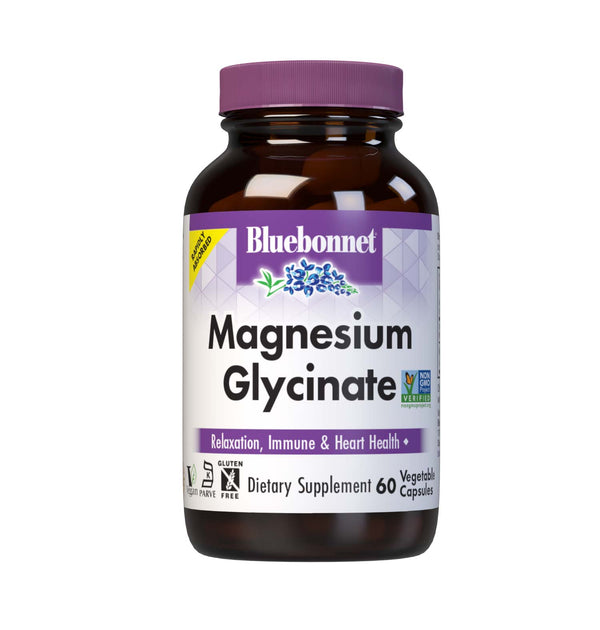
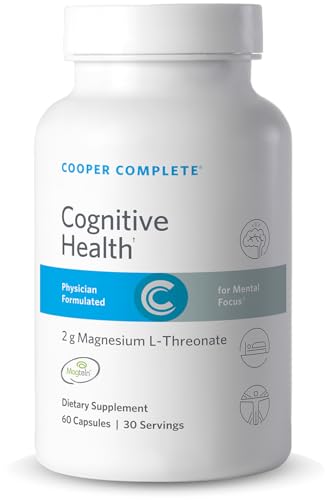
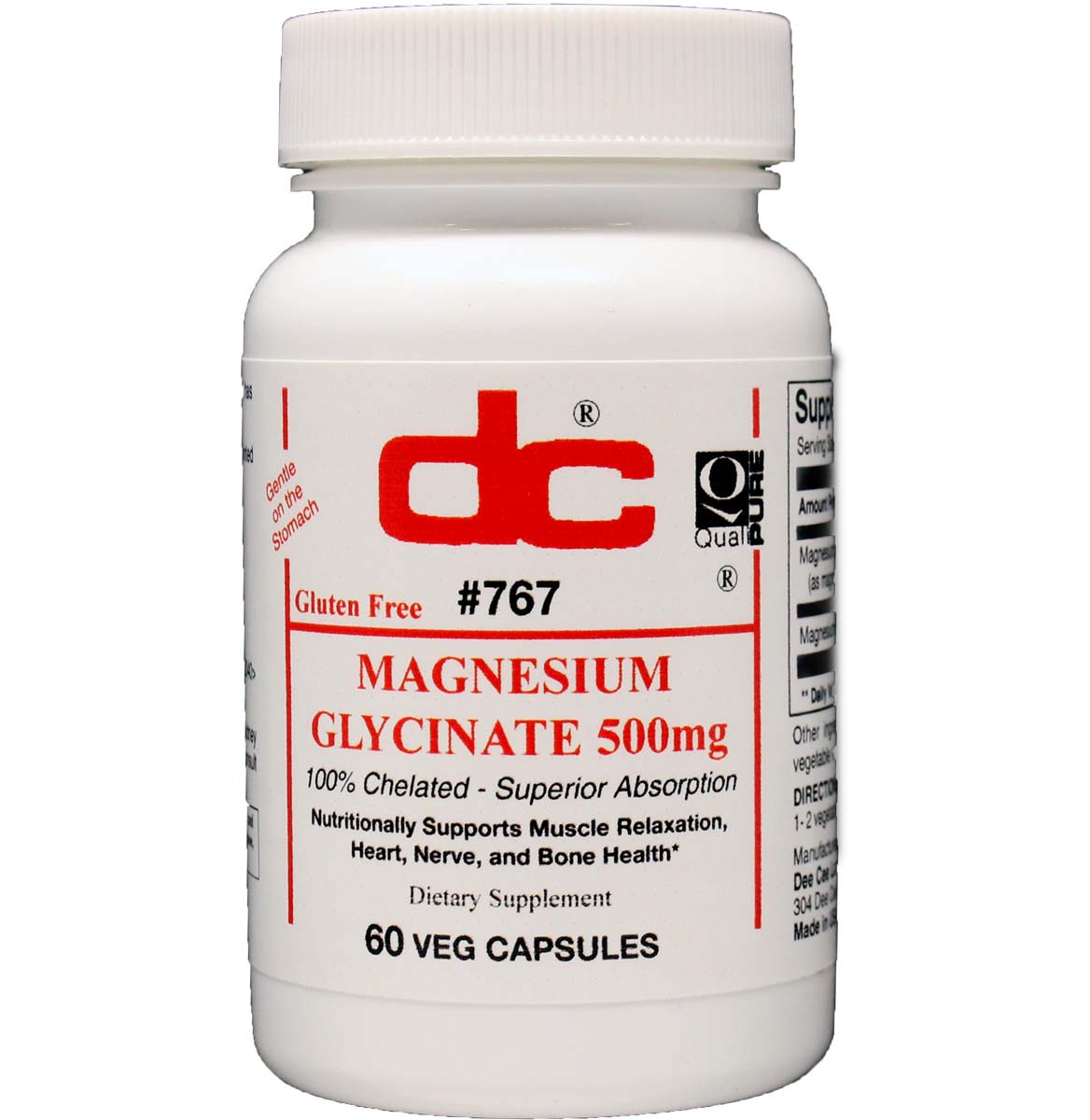
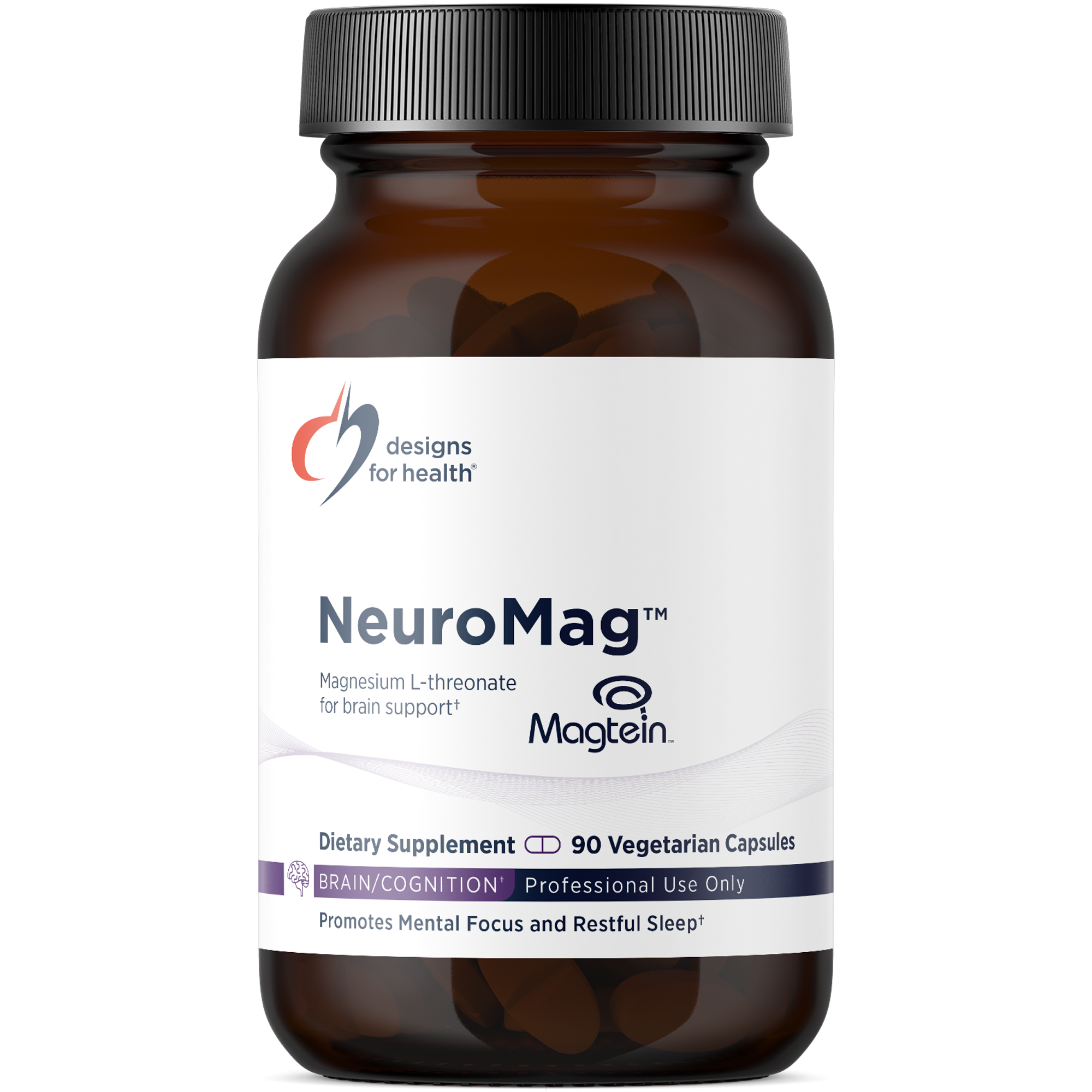
Sources & Scoring
Nutrient data (RDA, UL, and safety thresholds) sourced from the NIH Office of Dietary Supplements and the National Academies Dietary Reference Intakes (DRI).
This is not medical advice. Consult a healthcare provider before making changes to your supplement routine.
The score analyzes what's on the label: ingredient doses vs. studied ranges, chemical forms, evidence levels, and known interactions. It does not verify label accuracy or test for contaminants — for that, look for third-party certifications like USP or NSF.