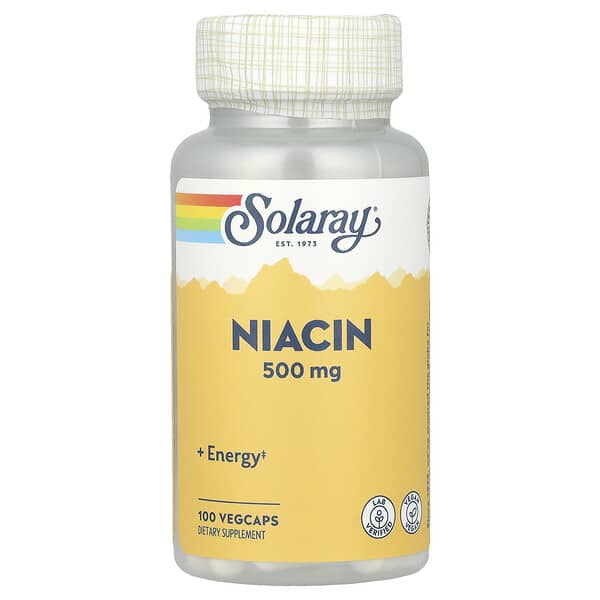
For cellular energy, skin health, and NAD+ production without the flushing side effect of regular niacin, this delivers. **Niacinamide** at 500 mg sits right at the top of the clinical dosing range. At this dose, you're supporting NAD+ production — the coenzyme your cells rely on for energy metabolism, DNA repair, and healthy aging. Niacinamide is also well-studied for skin health, with dermatology research using 500 mg daily to support skin barrier function.
Because this is niacinamide rather than nicotinic acid, you won't experience the uncomfortable flushing that comes with regular niacin. The tradeoff is that niacinamide doesn't have the same lipid-modifying effects — it won't raise your HDL or lower triglycerides the way nicotinic acid can.
At 500 mg per capsule, you're well above the 16 mg RDA but within studied supplemental ranges. If your primary goal is cholesterol support rather than cellular energy or skin, nicotinic acid would be the more relevant form of B3 to look for.
BioStacks
Other Ingredients (2)
HypromelloseCapsule
Plant-derived capsule material from cellulose
Stearic AcidLubricant
Saturated fatty acid used as tablet lubricant
How to Take It
Take it anytime
Niacinamide doesn't cause the niacin flush — that's specific to nicotinic acid. Timing and food are both flexible here.
With or without food
On the label
Suggested usage: Take 1 capsule daily with a meal.
General guidance based on the ingredients, not a substitute for the label or your doctor.
Price Check
$7.95
Cheaper than 89% of 82 vitamin B3 supplements
Track this supplement in your stack
Get personalized insights, interactions, and coverage recommendations.
Get Started FreeSimilar Supplements
Sources & Scoring
Nutrient data (RDA, UL, and safety thresholds) sourced from the NIH Office of Dietary Supplements and the National Academies Dietary Reference Intakes (DRI).
This is not medical advice. Consult a healthcare provider before making changes to your supplement routine.
The score analyzes what's on the label: ingredient doses vs. studied ranges, chemical forms, evidence levels, and known interactions. It does not verify label accuracy or test for contaminants — for that, look for third-party certifications like USP or NSF.