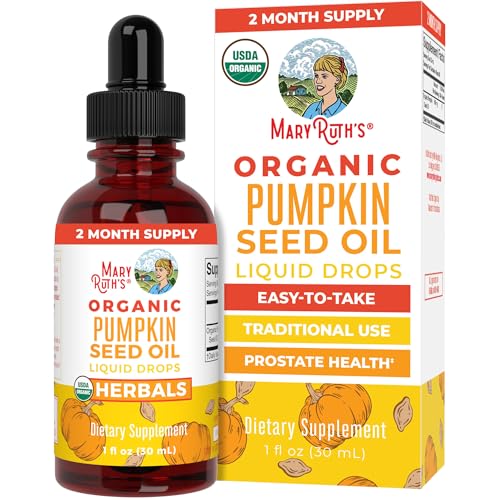
**Pumpkin Seed Oil** has moderate clinical evidence for prostate health and emerging research for hair support. At 2 softgels you're getting 2,000mg of crude seed oil — but the clinical trials that showed results for prostate symptoms (BPH) used 320–500mg of concentrated extract, not crude oil. Crude oil is far less concentrated in the active phytosterols (especially beta-sitosterol) that drive those benefits, so 2g of oil is not equivalent to 500mg of extract.
The label suggests taking 2 softgels once or twice daily. At the higher end (4g/day), you're getting a meaningful amount of fatty acids and some phytosterols, which may offer mild support for prostate and hormonal health. For hair specifically, the one RCT that showed increased hair count used 400mg of pumpkin seed oil — but again as a concentrated form.
The main gap here is potency. If your goal is prostate or hair support based on the clinical research, you'd likely need a standardized pumpkin seed extract rather than crude oil to match the doses that showed results in studies.
BioStacks
Nutrition
Calories, macros & sodium.
- Calories20 Calorie(s)
- Total Fat2 Gram(s)
- Saturated Fat0.5 Gram(s)
- Polyunsaturated Fat1 Gram(s)
- Monounsaturated Fat0.5 Gram(s)
Other Ingredients (3)
GelatinCapsule
Protein derived from collagen, used in traditional capsule shells
GlycerinHumectant
Sweet-tasting liquid used in soft capsules and liquids
Purified WaterSolvent
Water meeting USP specifications used as solvent/vehicle in gummies and liquids
How to Take It
Take it anytime
Timing doesn't matter for this one — taking it consistently does.
With or without food
On the label
Suggested Usage: Take 2 softgels 1 to 2 times daily with food.
General guidance based on the ingredients, not a substitute for the label or your doctor.
Price Check
$12.24
Cheaper than 90% of 15 pumpkin seed oil supplements
Track this supplement in your stack
Get personalized insights, interactions, and coverage recommendations.
Get Started FreeSimilar Supplements
Sources & Scoring
Nutrient data (RDA, UL, and safety thresholds) sourced from the NIH Office of Dietary Supplements and the National Academies Dietary Reference Intakes (DRI).
This is not medical advice. Consult a healthcare provider before making changes to your supplement routine.
The score analyzes what's on the label: ingredient doses vs. studied ranges, chemical forms, evidence levels, and known interactions. It does not verify label accuracy or test for contaminants — for that, look for third-party certifications like USP or NSF.