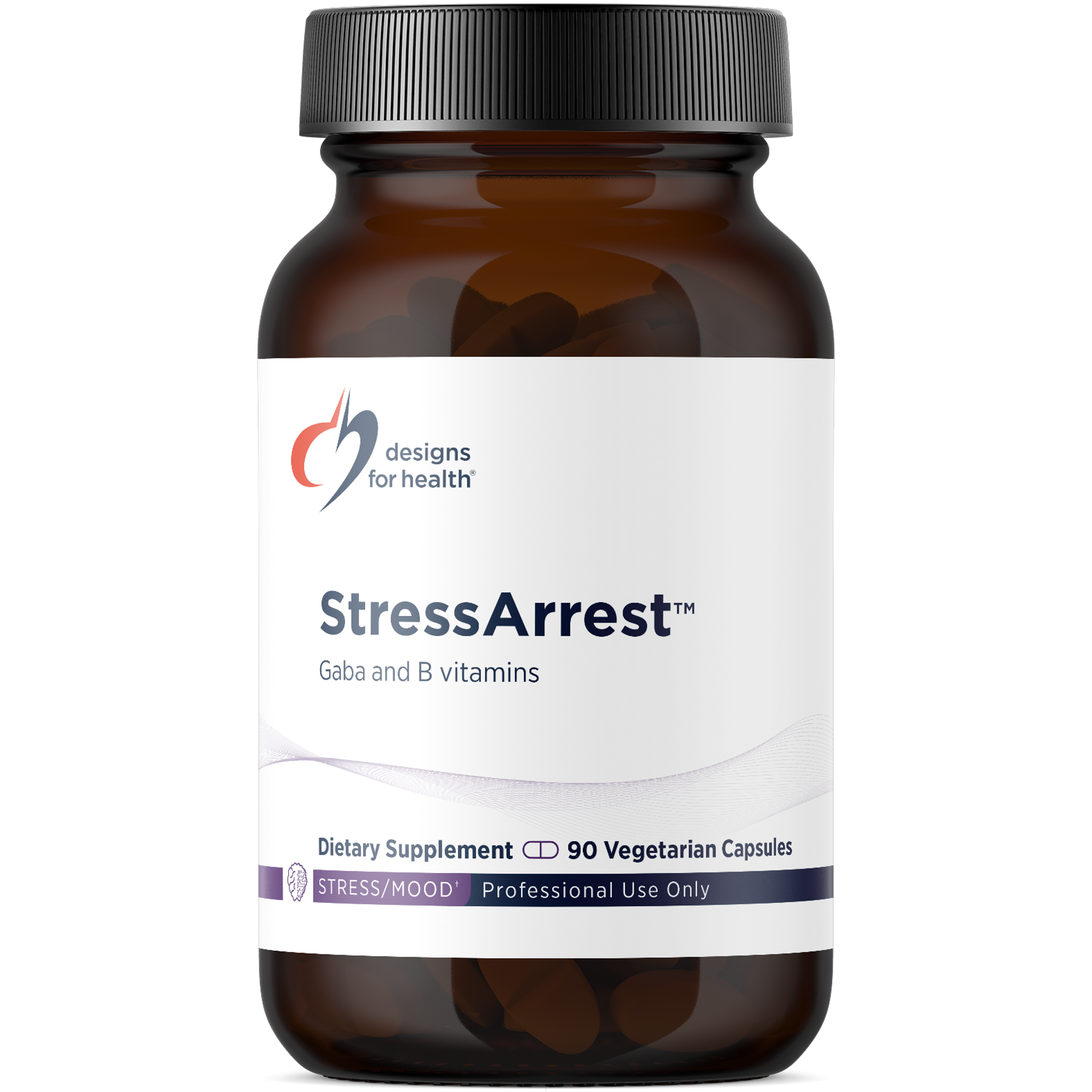
If you're looking for help winding down, only one ingredient here reaches a clinical dose. **GABA** at 200mg per capsule sits within the 100–300mg studied range, which is the primary active doing the work here. At three capsules daily, you'd also reach 600mg of **Glycine** and 600mg of **Taurine** — but both still fall well short of their studied doses (3,000mg and 1,000mg minimum, respectively).
The supporting cast won't do much for you at these doses. **Inositol** at 100mg is about 5% of the dose used in mood research. **Valerian** at 25mg is under 10% of the 300–600mg range studied for sleep. **Magnesium** at 6.5mg is negligible regardless of its premium bisglycinate form.
If your goal is mild relaxation support, the GABA dose may offer some benefit. But for meaningful sleep or stress relief, most of these ingredients are dosed too low to deliver what the research shows they can.
BioStacks
Best for
Ingredients (8)
Vitamin B6
100%Dose
8 mg
Target
1.3–25 mg
Form
Premium
Niacin
100%Dose
45 mg
Target
25–500 mg
Form
Standard
GABA
100%Dose
200 mg
Target
100–300 mg
Form
—
Taurine
20%Dose
200 mg
Target
1000–3000 mg
Form
—
Glycine
7%Dose
0.2 g
Target
3–5 g
Form
—
Other Ingredients (2)
HypromelloseCapsule
Plant-derived capsule material from cellulose
Stearic AcidLubricant
Saturated fatty acid used as tablet lubricant
How to Take It
Best taken in the evening
Used in the evening for relaxation. Vitamin B6 is easier on the stomach taken with food.
With food
On the label
Suggested Usage: Take 1 capsule 1 to 3 times daily, preferably on an empty stomach or just before meals.
The label says to take it on an empty stomach. What's in this one sits better with food, and you give up little by taking it that way.
General guidance based on the ingredients, not a substitute for the label or your doctor.
Price Check
$12.24
Cheaper than 86% of 239 energy supplements
Track this supplement in your stack
Get personalized insights, interactions, and coverage recommendations.
Get Started FreeSimilar Supplements
Sources & Scoring
Nutrient data (RDA, UL, and safety thresholds) sourced from the NIH Office of Dietary Supplements and the National Academies Dietary Reference Intakes (DRI).
This is not medical advice. Consult a healthcare provider before making changes to your supplement routine.
The score analyzes what's on the label: ingredient doses vs. studied ranges, chemical forms, evidence levels, and known interactions. It does not verify label accuracy or test for contaminants — for that, look for third-party certifications like USP or NSF.