Each quarter-teaspoon serving provides 1,100 mg of **Vitamin C** as **ascorbic acid**, landing in the upper half of the clinically supported range (250–2,000 mg). That dose is well above the 90 mg RDA, which only prevents deficiency and does not reflect the higher intakes linked to immune support, antioxidant protection, and collagen synthesis in published research. The powder format lets you adjust your dose freely and dissolves quickly in water or juice.
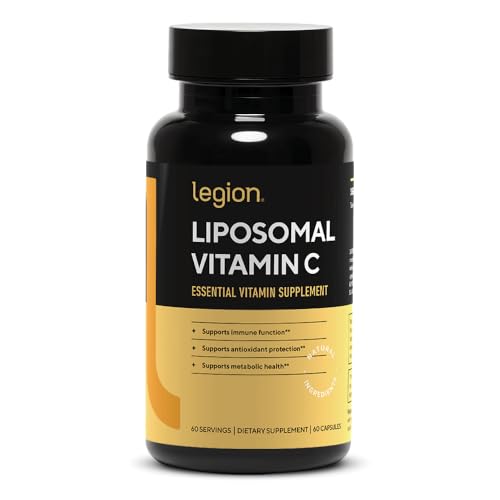
Ascorbic acid is the standard, most-studied form of vitamin C, but absorption efficiency drops above roughly 1,000 mg per dose — your body simply excretes what it cannot absorb at once. If you want to maximize uptake at this dose, splitting it across two servings during the day can help. Buffered forms like calcium ascorbate or liposomal delivery are gentler on sensitive stomachs, so if you experience GI discomfort, those alternatives are worth considering.
Your body needs vitamin C to produce collagen in your skin and connective tissue, and it significantly enhances absorption of plant-based (non-heme) iron. If you take an iron supplement or eat iron-rich meals, having vitamin C at the same time helps you absorb more. With 206 servings from a single container of pure ascorbic acid, this is a straightforward, high-value option.
BioStacks
Other Ingredients
No other ingredients listed
How to Take It
Take it anytime
Plain ascorbic acid is acidic — high doses can bite on an empty stomach. Take it with food if that happens, and split doses above ~500 mg.
With or without food
On the label
Suggested Usage: Mix 1/4 level teaspoon daily in juice or water.
General guidance based on the ingredients, not a substitute for the label or your doctor.
Price Check
$9.18
Cheaper than 91% of 375 vitamin C supplements
Track this supplement in your stack
Get personalized insights, interactions, and coverage recommendations.
Get Started FreeSimilar Supplements
Sources & Scoring
Nutrient data (RDA, UL, and safety thresholds) sourced from the NIH Office of Dietary Supplements and the National Academies Dietary Reference Intakes (DRI).
This is not medical advice. Consult a healthcare provider before making changes to your supplement routine.
The score analyzes what's on the label: ingredient doses vs. studied ranges, chemical forms, evidence levels, and known interactions. It does not verify label accuracy or test for contaminants — for that, look for third-party certifications like USP or NSF.