Two tablespoons give you 10g of **Psyllium Husk** — right in the middle of the 5–15g/day range used across dozens of clinical trials for digestive health, cholesterol reduction, and blood sugar control. That 10g dose is the exact amount shown in a meta-analysis of 28 RCTs to lower LDL cholesterol by about 13 mg/dL, and it delivers 6g of soluble fiber per serving — close to the 7g threshold behind the FDA's approved heart-health claim.
Beyond cholesterol, psyllium has strong evidence for relieving constipation (10–15g/day across multiple doses) and modest support for weight management when taken before meals. The powder format makes it easy to scale your dose up or down depending on your goal — you can start with one tablespoon and increase gradually to reduce bloating.
The main thing to know: psyllium works best when you drink plenty of water with it. Without adequate fluid, the fiber can cause gas and discomfort rather than relief. If your goal is cholesterol support, consistency matters more than dose — daily use over 3–4 weeks is when the LDL reduction kicks in.
BioStacks
Nutrition
Calories, macros & sodium.
- Sodium10 mg
Other Ingredients (3)
IronMineral
Essential trace mineral naturally present in many plant-based supplement ingredients
PotassiumMineral
Essential mineral naturally present in many plant-based supplement ingredients
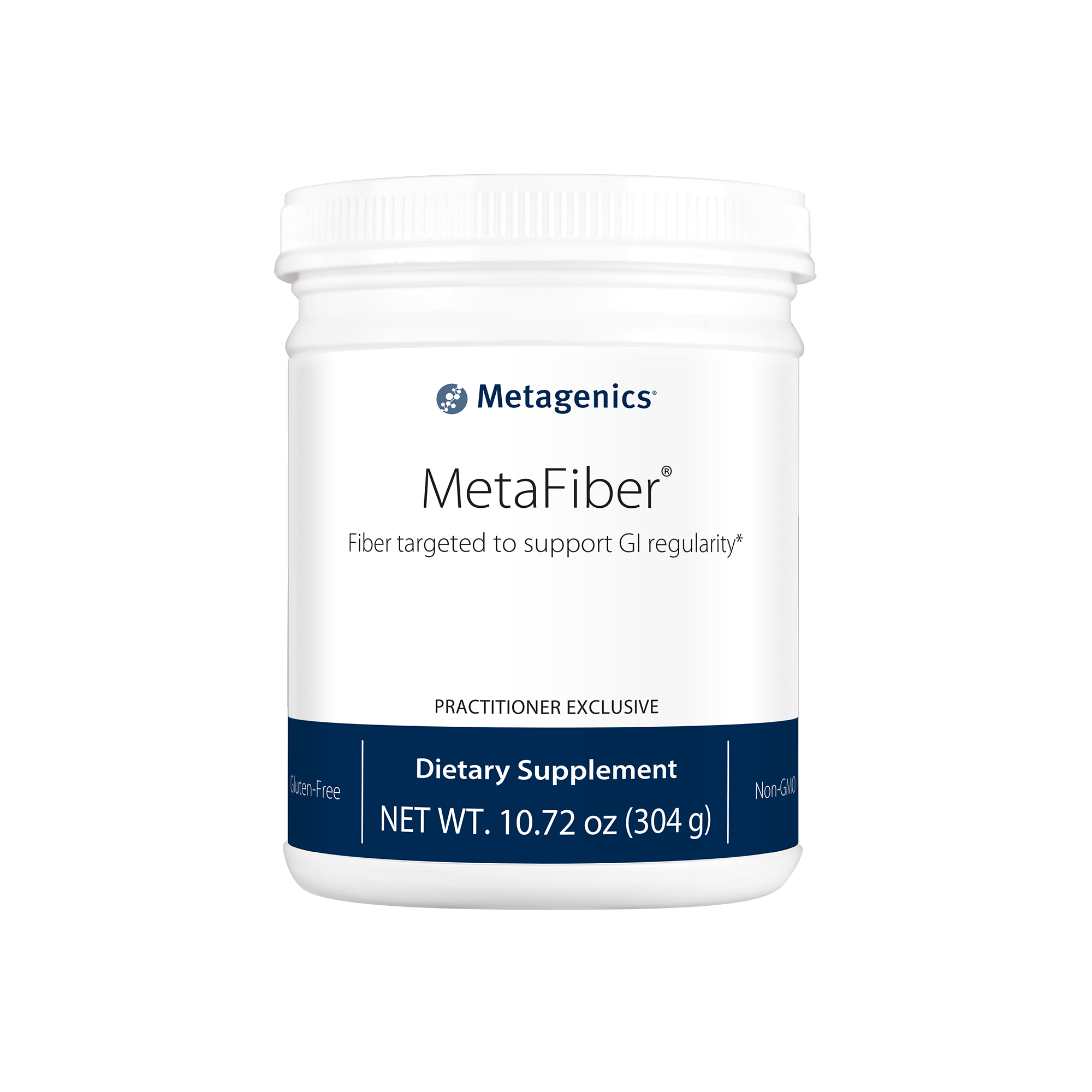
Psyllium (seed/husk)Fiber
Natural soluble fiber from Plantago ovata seed husks, widely used as a fiber supplement base
How to Take It
Take it anytime
Take with plenty of water. Fiber binds other things in the gut, so give it a 1–2 hour gap either side.
With food
Keep it away from medication and mineral supplements
General guidance based on the ingredients, not a substitute for the label or your doctor.
Price Check
$11.76
Cheaper than 78% of 65 fiber supplements
Track this supplement in your stack
Get personalized insights, interactions, and coverage recommendations.
Get Started FreeSimilar Supplements
Sources & Scoring
Nutrient data (RDA, UL, and safety thresholds) sourced from the NIH Office of Dietary Supplements and the National Academies Dietary Reference Intakes (DRI).
This is not medical advice. Consult a healthcare provider before making changes to your supplement routine.
The score analyzes what's on the label: ingredient doses vs. studied ranges, chemical forms, evidence levels, and known interactions. It does not verify label accuracy or test for contaminants — for that, look for third-party certifications like USP or NSF.