Marketed for hair, skin, and nail support, this product relies on a 410mg proprietary blend and two vitamins at very low doses. **Biotin** at 60mcg is just twice the RDA and far below the 1,000–5,000mcg range used in supplementation research — you're getting roughly 6% of a typical supplemental dose. **Niacin** at 3mg is similarly well below any meaningful threshold for skin benefits.
The Ora Beauty Blend combines quinoa sprout extract, green algae, bladderwrack, and a probiotic strain (1 billion CFU). What this means for you: because individual amounts within the blend aren't disclosed, it's impossible to tell whether any single ingredient reaches a useful dose across the 410mg total.
If your goal is hair and skin support, the active ingredients here are dosed well below what clinical research has studied. The organic, vegan-friendly label is appealing, but you'd want to verify whether the proprietary blend ingredients have evidence at these likely small amounts.
BioStacks
Other Ingredients (2)
MaltodextrinBinder
Spikes blood sugar faster than table sugar (glycemic index 85–105). Research links it to gut bacteria changes that may promote intestinal inflammation (Nickerson et al. 2015). Used as a cheap filler — adds nothing beneficial.
Capsule ShellCapsule
Generic capsule shell where the label does not specify the material. Common materials are hypromellose (HPMC) for vegetarian capsules and gelatin for traditional capsules — both are GRAS-listed and safe. Fish gelatin and pullulan variants also exist.
How to Take It
Take it anytime
Take it with food — the niacin in it is what makes this kind of product feel nauseating on an empty stomach.
With food
On the label
Neat Trick For Swallowing Capsules: Put a capsule in your mouth, drink some water, and then tilt your head forward. The air in the capsules help them float to the back of your throat and should make it easier to swallow. Suggested Use: Take 2 capsules daily.
General guidance based on the ingredients, not a substitute for the label or your doctor.
Price Check
$47.99
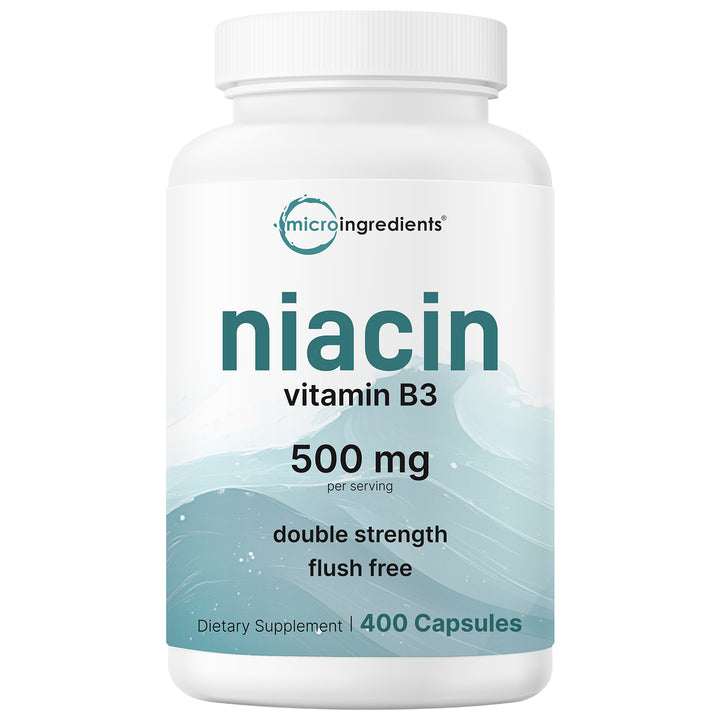
Pricier than 96% of 82 vitamin B3 supplements
Track this supplement in your stack
Get personalized insights, interactions, and coverage recommendations.
Get Started FreeSimilar Supplements
Sources & Scoring
Nutrient data (RDA, UL, and safety thresholds) sourced from the NIH Office of Dietary Supplements and the National Academies Dietary Reference Intakes (DRI).
This is not medical advice. Consult a healthcare provider before making changes to your supplement routine.
The score analyzes what's on the label: ingredient doses vs. studied ranges, chemical forms, evidence levels, and known interactions. It does not verify label accuracy or test for contaminants — for that, look for third-party certifications like USP or NSF.