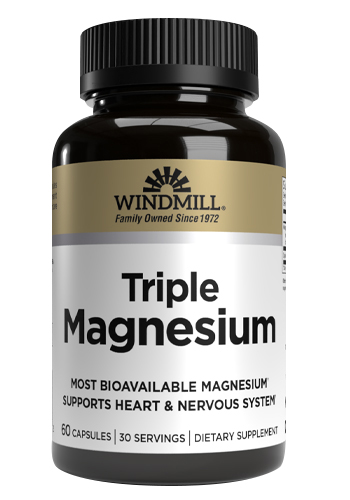
You're getting 250mg of **Magnesium** per serving from a blend of lysinate, glycinate, and chelate forms — all well-absorbed and gentle on the stomach. At 250mg, you're comfortably within the 100–400mg clinical supplemental range, enough to support muscle relaxation, energy production, and sleep quality without needing to double up on servings.
The formula also packs in a long list of extras — berry blends, green juice powders, adaptogen extracts, and **Probiotics** — but the doses are token amounts. The probiotic blend delivers roughly 90 million CFU at time of manufacture, which is less than 1/10th of the minimum clinical dose (1 billion CFU). The adaptogen blends total just 10mg each, far below any studied dose for ashwagandha, rhodiola, or reishi.
If you're here for magnesium, the core dose and forms deliver. Just know that the superfood and adaptogen extras on the label aren't present in amounts likely to move the needle for any of those ingredients' studied benefits.
BioStacks
Best for
Ingredients (10)
Magnesium
100%Dose
250 mg
Target
100–400 mg
Form
Premium
Organic Alkalizing Green Juice Powders
2%Dose
65 mg
Target
3000–15000 mg
Form
—
GingerZyme Extract
2%Dose
5 mg
Target
250–1000 mg
Form
Not listed
Nature's C Veggie Berry Blend
1%Dose
73 mg
Target
5000–15000 mg
Form
—
Organic Aqua Superfoods
47 mgDoses not disclosed by manufacturer
Other Ingredients (1)
Capsule ShellCapsule
Generic capsule shell where the label does not specify the material. Common materials are hypromellose (HPMC) for vegetarian capsules and gelatin for traditional capsules — both are GRAS-listed and safe. Fish gelatin and pullulan variants also exist.
How to Take It
Best taken in the evening
Magnesium glycinate is the gentlest form on the gut and the one most people take at night. Absorption doesn't change with the clock — consistency does.
With or without food
Space it a couple of hours from Iron and Calcium
On the label
Directions: Take 2 vegetarian capsules or as directed by your qualified health care professional.
General guidance based on the ingredients, not a substitute for the label or your doctor.
Price Check
$12.49
Cheaper than 85% of 579 magnesium supplements
Track this supplement in your stack
Get personalized insights, interactions, and coverage recommendations.
Get Started FreeSimilar Supplements
Sources & Scoring
Nutrient data (RDA, UL, and safety thresholds) sourced from the NIH Office of Dietary Supplements and the National Academies Dietary Reference Intakes (DRI).
This is not medical advice. Consult a healthcare provider before making changes to your supplement routine.
The score analyzes what's on the label: ingredient doses vs. studied ranges, chemical forms, evidence levels, and known interactions. It does not verify label accuracy or test for contaminants — for that, look for third-party certifications like USP or NSF.