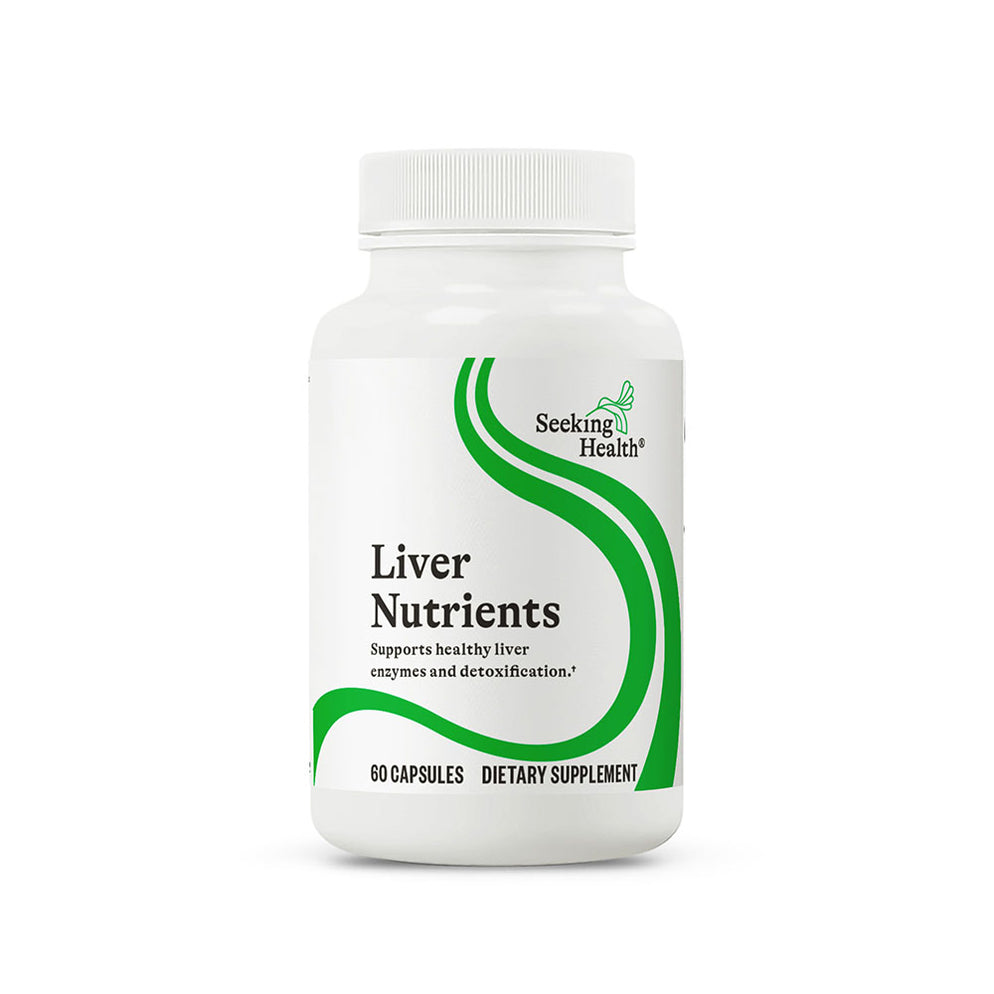
Aimed at supporting your body's estrogen metabolism and liver detoxification, this formula combines several targeted ingredients. The **BioResponse DIM** complex provides 100mg (standardized to 25% diindolylmethane, yielding 25mg active DIM), which falls at the lower end of the 100–300mg range studied in clinical research — though the enhanced-absorption BioResponse matrix may partially compensate for the modest dose.
**Alpha Lipoic Acid** at 200mg, **NAC** at 200mg, and **Milk Thistle** at 150mg (80% silymarin) round out the liver support side. What this means for you: each of these is dosed below their respective clinical ranges (ALA: 300–600mg, NAC: 600–1,800mg, milk thistle: 200–400mg), but together they create a broad detoxification support profile. **Calcium-D-Glucarate** at 100mg and sulforaphane from broccoli sprout add further estrogen clearance support.
The trade-off is that no single ingredient here reaches its full clinical dose. You're getting a wide-spectrum approach to estrogen and liver support rather than a high-potency dose of any one compound. If your primary goal is liver health specifically, you may need higher individual doses of NAC or milk thistle.
BioStacks
Best for
Ingredients (10)
L-Methionine
100%Dose
200 mg
Target
200–1000 mg
Form
—
Milk Thistle (Silybum marianum) extract
100%Dose
150 mg
Target
150–600 mg
Form
Not listed
BioResponse DIM Diindolylmethane Complex
100%Dose
100 mg
Target
100–300 mg
Form
Standard
Alpha Lipoic Acid
67%Dose
200 mg
Target
300–600 mg
Form
Budget
Sulforaphane
40%Dose
0.4 mg
Target
1–9 mg
Form
—
Other Ingredients (3)
Ascorbyl PalmitateAntioxidant
Fat-soluble form of vitamin C used as preservative
Hypoallergenic Plant FiberFiller
Plant-derived cellulose fiber used as a hypoallergenic filler, common in Thorne and Pure Encapsulations products
Capsule ShellCapsule
Generic capsule shell where the label does not specify the material. Common materials are hypromellose (HPMC) for vegetarian capsules and gelatin for traditional capsules — both are GRAS-listed and safe. Fish gelatin and pullulan variants also exist.
How to Take It
Take it anytime
No evidence a formula this broad works better at any particular hour. What's in this absorbs poorly without a fat-containing meal — take it with one.
With a meal containing fat
On the label
Recommendations: As a dietary supplement, take 2 capsules daily, with meals.
General guidance based on the ingredients, not a substitute for the label or your doctor.
Price Check
No price yet
What 31 DIM supplements cost
Track this supplement in your stack
Get personalized insights, interactions, and coverage recommendations.
Get Started FreeSimilar Supplements
Sources & Scoring
Nutrient data (RDA, UL, and safety thresholds) sourced from the NIH Office of Dietary Supplements and the National Academies Dietary Reference Intakes (DRI).
This is not medical advice. Consult a healthcare provider before making changes to your supplement routine.
The score analyzes what's on the label: ingredient doses vs. studied ranges, chemical forms, evidence levels, and known interactions. It does not verify label accuracy or test for contaminants — for that, look for third-party certifications like USP or NSF.