The headline win here is **Vitamin D3** at 2,000 IU — right in the clinical sweet spot for maintaining healthy blood levels, supporting bone density, and boosting immune function. That's especially relevant for women over 50, where deficiency risk climbs sharply. You're also getting **Zinc** at 11mg (full RDA) in citrate form, and **Iron** as a chelate at 6mg, which is close to the 8mg postmenopausal RDA and in a gentle, well-absorbed form.
The **B12** uses methylcobalamin — a form your body can use directly — but at only 10 mcg, you're getting a fraction of the 250–5,000 mcg range used in clinical studies. Absorption declines significantly with age, making adequate B12 dosing especially important after 50. **Folate** is provided as folic acid rather than methylfolate, which matters because roughly half the population has gene variants that impair folic acid conversion. The Women's 50+ botanical blend (black cohosh, ginkgo, ashwagandha) totals just 125mg across all four ingredients — too diluted to deliver the doses studied in clinical research.
The biggest gap for a women's 50+ formula is bone-critical minerals: **Calcium** at 100mg is only 10% of the RDA, and **Magnesium** at 50mg uses the oxide form, which absorbs at roughly 4%. If bone health is your priority, you'd need to supplement both separately.
BioStacks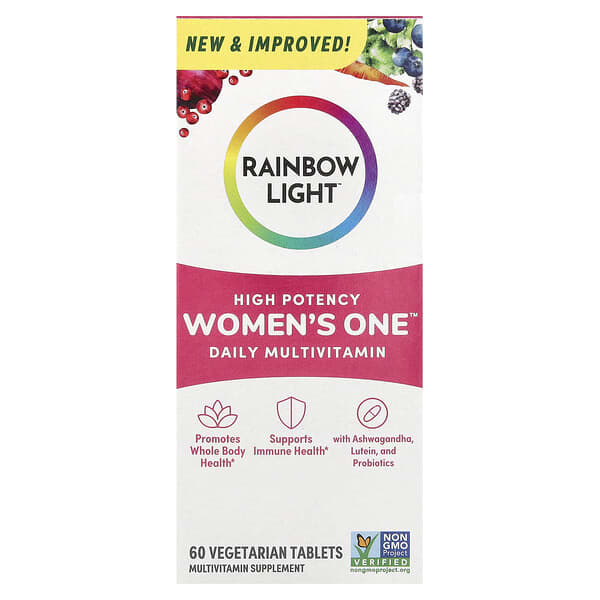
Rainbow Light
Women's One 50+, Daily Multivitamin, High Potency, 60 Vegetarian Tablets
1 Tablet · 60 servings · $0.37/serving
Best for
Ingredients (26)
Vitamin D
100%Dose
2000 IU
Target
1000–5000 IU
Form
Premium
lodine
100%Dose
150 mcg
Target
150–500 mcg
Form
—
Molybdenum
100%Dose
45 mcg
Target
45–75 mcg
Form
Premium
Vitamin B6
100%Dose
20 mg
Target
1.3–25 mg
Form
Premium
Manganese
100%Dose
5 mg
Target
1.8–5 mg
Form
Standard
Other Ingredients (4)
MaltodextrinBinder
Spikes blood sugar faster than table sugar (glycemic index 85–105). Research links it to gut bacteria changes that may promote intestinal inflammation (Nickerson et al. 2015). Used as a cheap filler — adds nothing beneficial.
Coating (unspecified)Coating
Generic tablet coating declaration where the label does not itemize the coating's components; modern aqueous film coatings are typically cellulose-based (HPMC) with a plasticizer
Croscarmellose SodiumDisintegrant
Cross-linked cellulose derivative used as a superdisintegrant
Microcrystalline CelluloseBinder
Plant-derived cellulose used as a binder and filler in supplements
How to Take It
Take it anytime
No evidence a formula this broad works better at any particular hour. Take it with a meal containing fat — the vitamins A, D, E and K in it absorb poorly without one.
With a meal containing fat
Keep it away from coffee, tea and dairy
Space it a couple of hours from Calcium and Green Tea Leaf Extract
General guidance based on the ingredients, not a substitute for the label or your doctor.
Price Check
$22.09
Near the median of 798 multivitamins
Track this supplement in your stack
Get personalized insights, interactions, and coverage recommendations.
Get Started FreeSimilar Supplements
Rainbow Light
Women's One Daily Multivitamin, High Potency, 60 Vegetarian Tablets
🛡️ for Immune
53
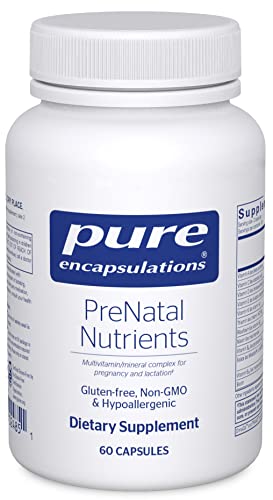
Pure Encapsulations
PreNatal Nutrients
🤰 for Pregnancy
59
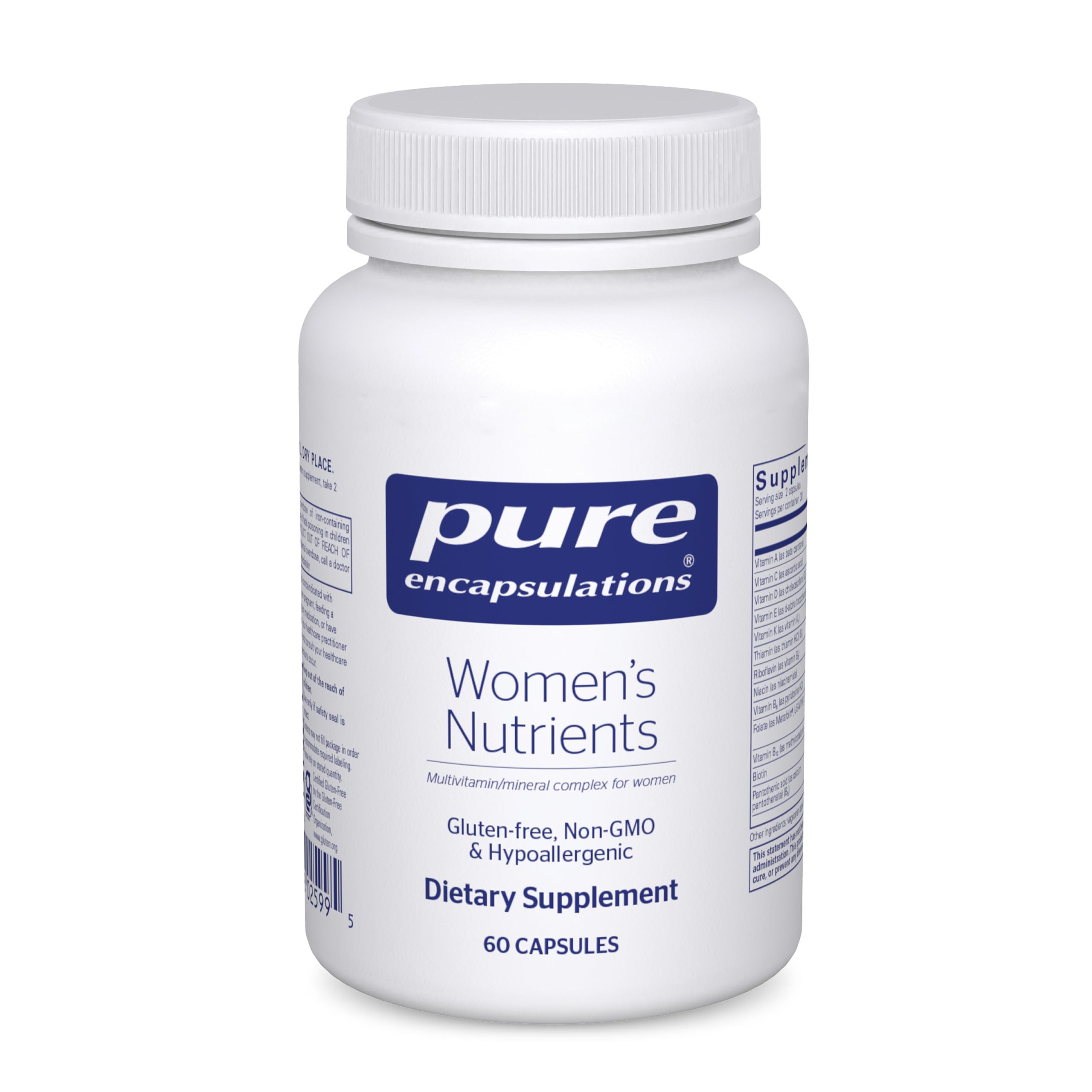
Pure Encapsulations
Women's Nutrients
🤰 for Pregnancy
58
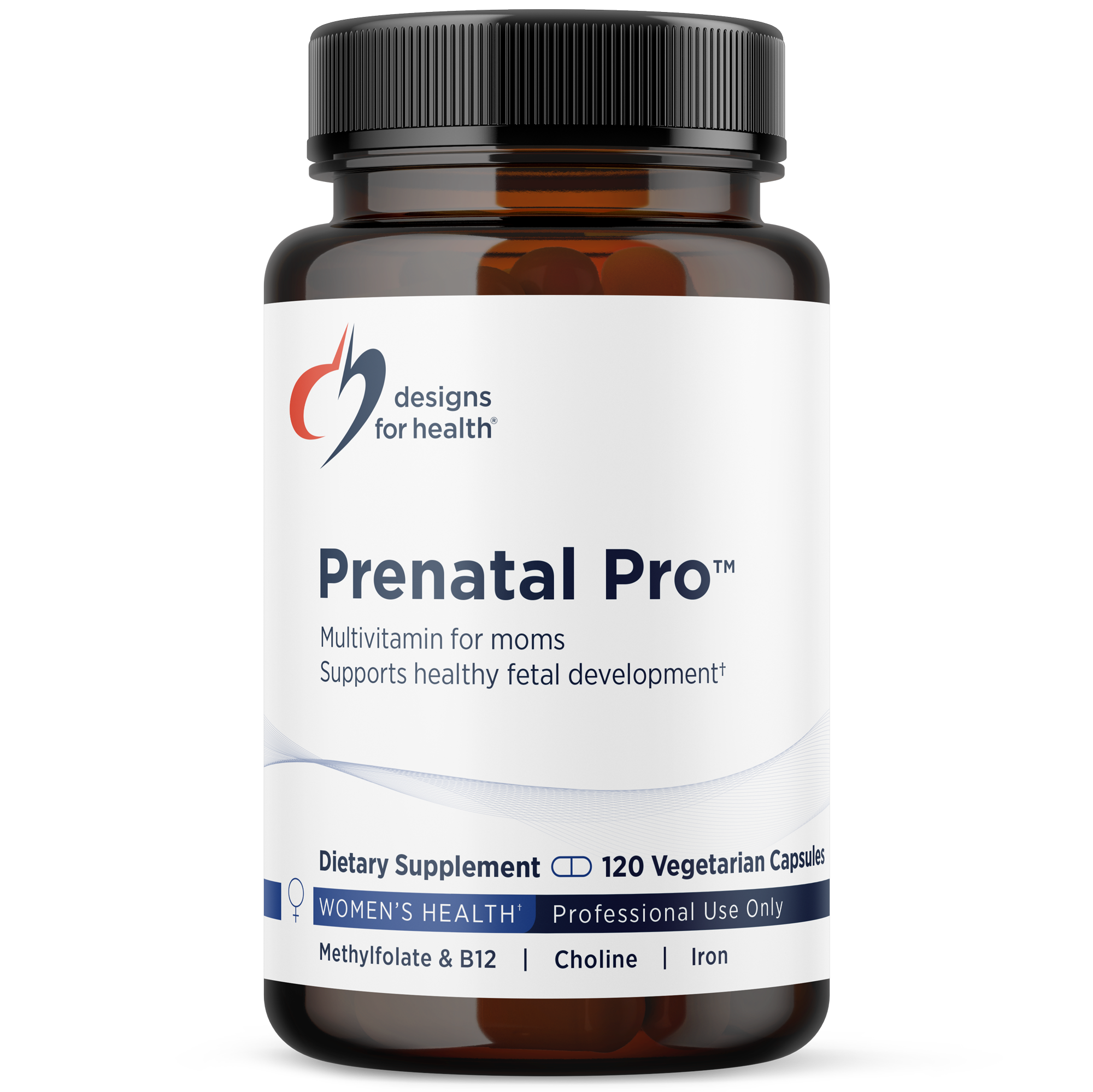
Designs for Health
Prenatal Pro™
🛡️ for Immune
73
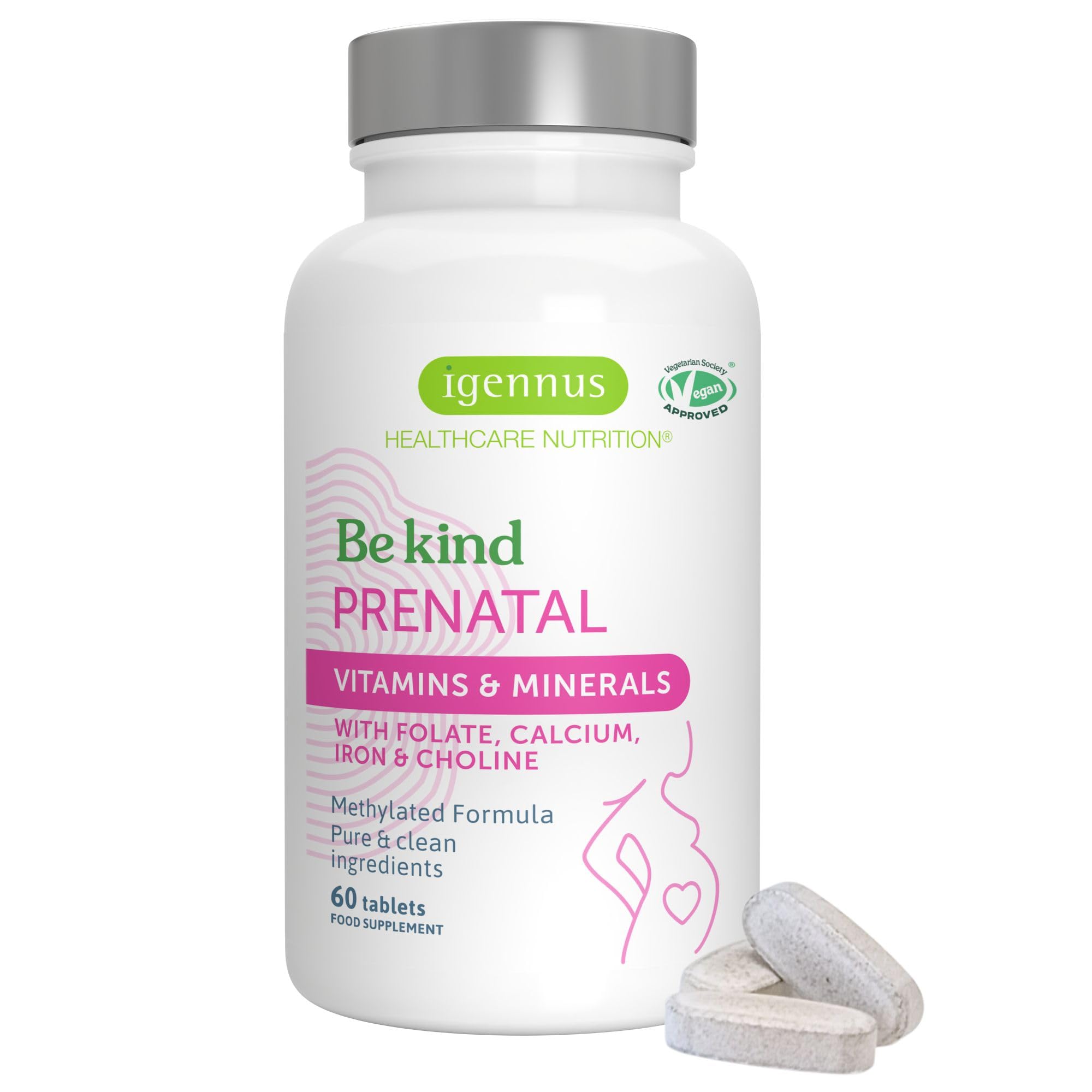
Igennus Healthcare Nutrition
Be kind Prenatal Vitamins & Minerals
🤰 for Pregnancy
64
Sources & Scoring
Nutrient data (RDA, UL, and safety thresholds) sourced from the NIH Office of Dietary Supplements and the National Academies Dietary Reference Intakes (DRI).
This is not medical advice. Consult a healthcare provider before making changes to your supplement routine.
The score analyzes what's on the label: ingredient doses vs. studied ranges, chemical forms, evidence levels, and known interactions. It does not verify label accuracy or test for contaminants — for that, look for third-party certifications like USP or NSF.