For covering your basic nutritional gaps, this women's multivitamin packs 23+ ingredients into a single daily tablet. The highlight is **Vitamin D3** at 2,000 IU (50mcg), which is a genuinely useful dose for immune and bone support — well above the conservative RDA. **Iron** at 6mg in a chelated form and **Folate** at 400mcg DFE (as folic acid) address two common women's health priorities, though the iron is below the 18mg RDA for premenopausal women.
Most B vitamins land near or above their RDAs but below typical B-complex supplemental ranges. **Vitamin B12** is in the preferred methylcobalamin form at 10mcg, while **Zinc** at 11mg (zinc citrate) hits the RDA. Minerals like **Magnesium** (50mg) and **Calcium** (100mg) are included at token amounts — you'd need dietary sources to reach meaningful intakes.
Three proprietary blends add organic superfoods, ashwagandha, and a probiotic, but at 80mg, 86mg, and 37mg respectively, the individual ingredient amounts are too small to deliver standalone benefits. What this means for you: this product works best as a nutritional safety net, not a replacement for targeted supplementation in any specific health area.
BioStacks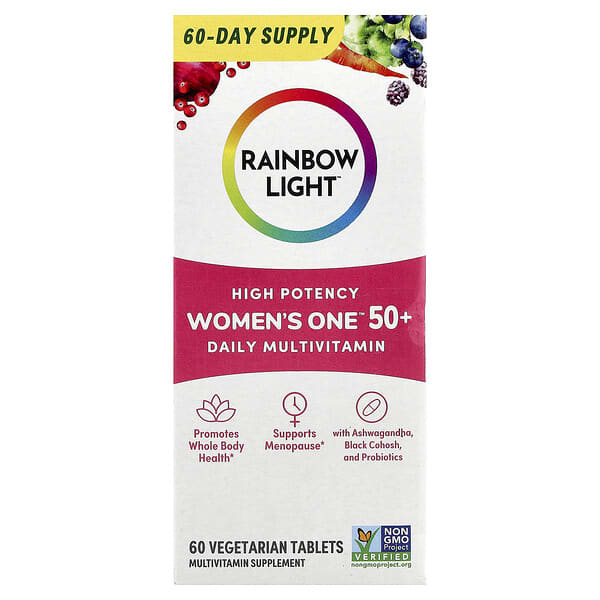
Rainbow Light
Women's One Daily Multivitamin, High Potency, 60 Vegetarian Tablets
1 Tablet · 60 servings · $0.37/serving
Best for
Ingredients (26)
Vitamin D
100%Dose
2000 IU
Target
1000–5000 IU
Form
Premium
Vitamin B6
100%Dose
20 mg
Target
1.3–25 mg
Form
Premium
Manganese
100%Dose
2.3 mg
Target
1.8–5 mg
Form
Standard
Molybdenum
100%Dose
45 mcg
Target
45–75 mcg
Form
Standard
Vitamin B12
4%Dose
10 mcg
Target
250–5000 mcg
Form
Premium
Other Ingredients (4)
MaltodextrinBinder
Spikes blood sugar faster than table sugar (glycemic index 85–105). Research links it to gut bacteria changes that may promote intestinal inflammation (Nickerson et al. 2015). Used as a cheap filler — adds nothing beneficial.
Coating (unspecified)Coating
Generic tablet coating declaration where the label does not itemize the coating's components; modern aqueous film coatings are typically cellulose-based (HPMC) with a plasticizer
Croscarmellose SodiumDisintegrant
Cross-linked cellulose derivative used as a superdisintegrant
Microcrystalline CelluloseBinder
Plant-derived cellulose used as a binder and filler in supplements
How to Take It
Take it anytime
No evidence a formula this broad works better at any particular hour. Take it with a meal containing fat — the vitamins A, D, E and K in it absorb poorly without one.
With a meal containing fat
Keep it away from coffee, tea and dairy
Space it a couple of hours from Calcium and Green Tea Leaf Extract
General guidance based on the ingredients, not a substitute for the label or your doctor.
Price Check
$22.09
Near the median of 798 multivitamins
Track this supplement in your stack
Get personalized insights, interactions, and coverage recommendations.
Get Started FreeSimilar Supplements
Rainbow Light
Women's One 50+, Daily Multivitamin, High Potency, 60 Vegetarian Tablets
🛡️ for Immune
57
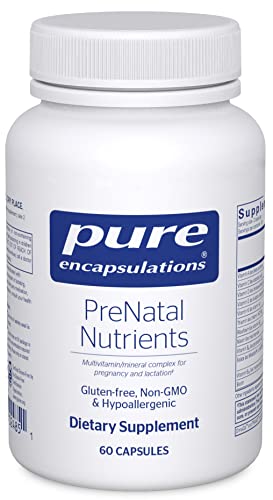
Pure Encapsulations
PreNatal Nutrients
🤰 for Pregnancy
59
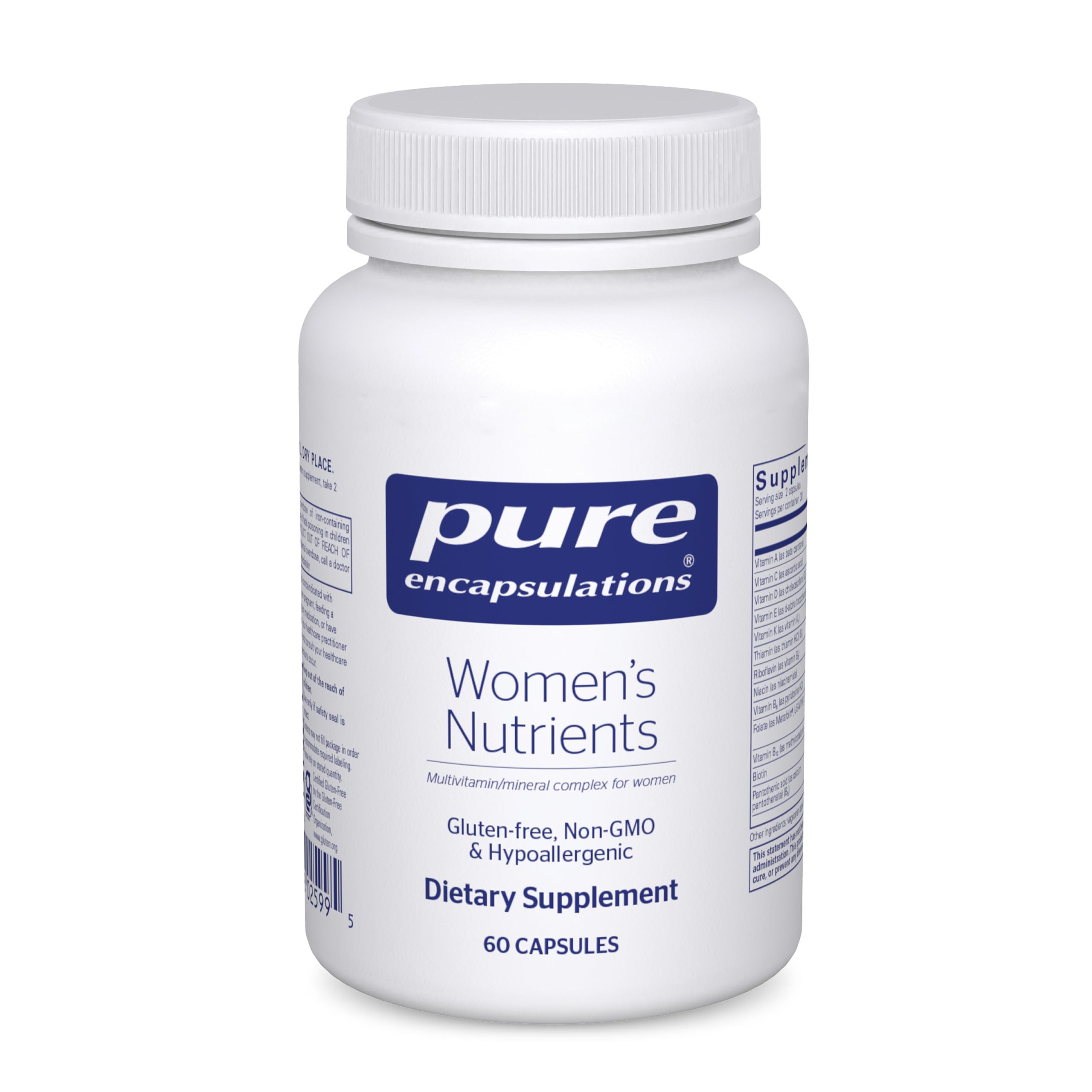
Pure Encapsulations
Women's Nutrients
🤰 for Pregnancy
58
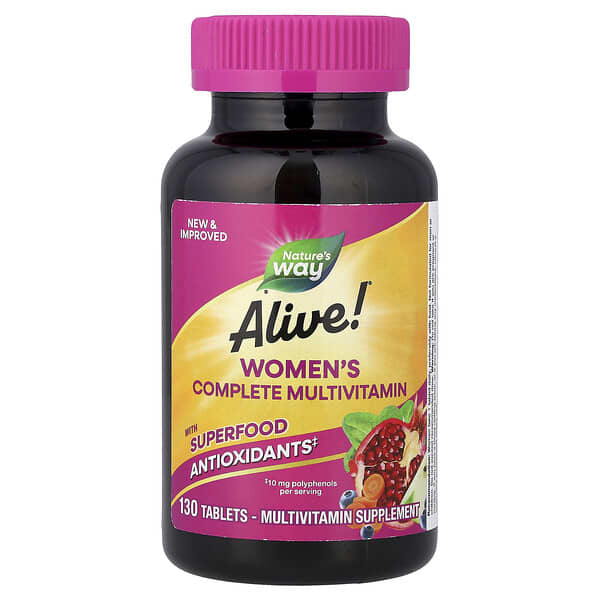
Nature's Way
Alive!® Women's Complete Multivitamin
🤰 for Pregnancy
48
Designs for Health
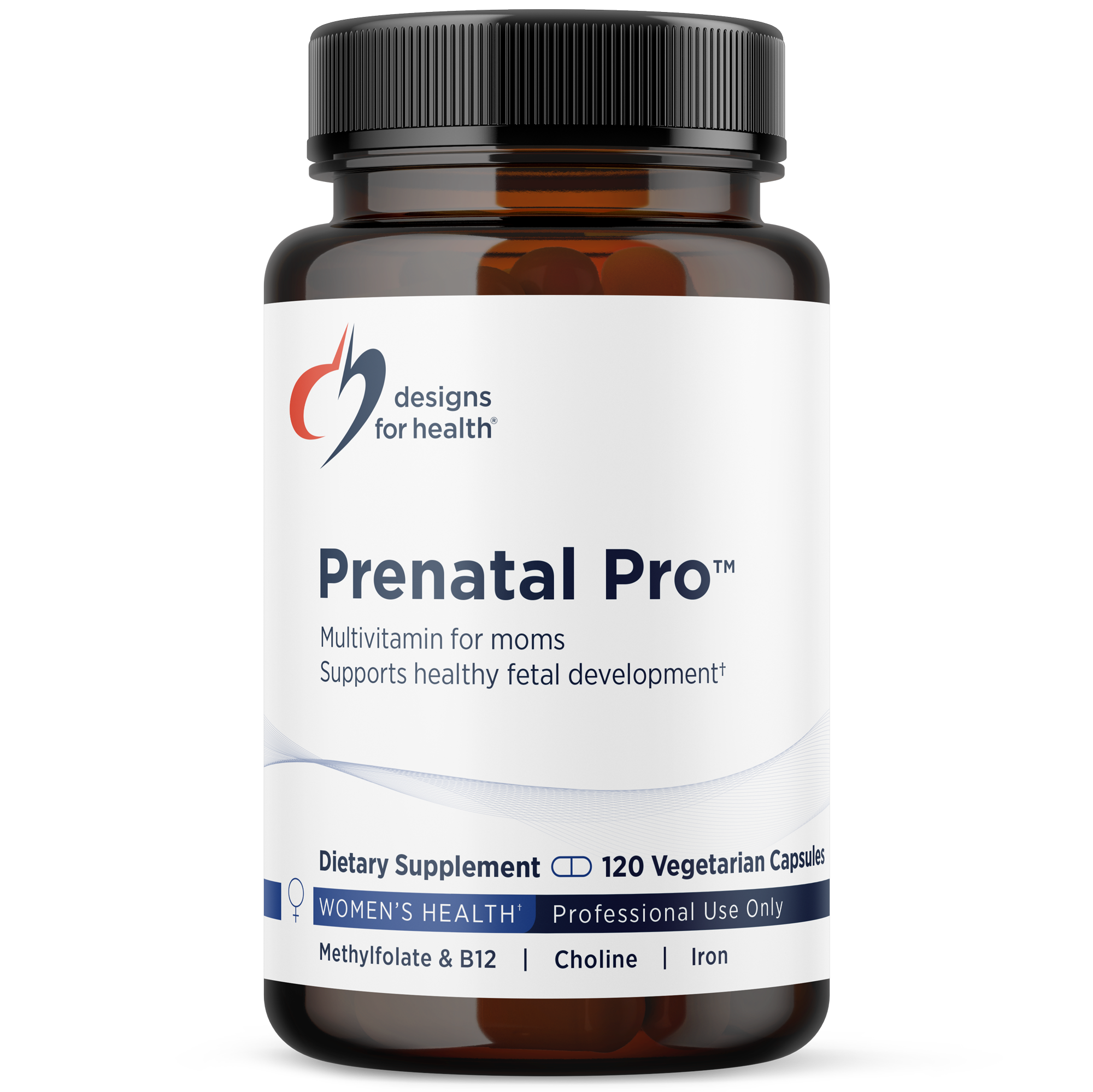
Prenatal Pro™
🛡️ for Immune
73
Sources & Scoring
Nutrient data (RDA, UL, and safety thresholds) sourced from the NIH Office of Dietary Supplements and the National Academies Dietary Reference Intakes (DRI).
This is not medical advice. Consult a healthcare provider before making changes to your supplement routine.
The score analyzes what's on the label: ingredient doses vs. studied ranges, chemical forms, evidence levels, and known interactions. It does not verify label accuracy or test for contaminants — for that, look for third-party certifications like USP or NSF.