Each chewable burstlet gives your child 200mg of total **Omega-3 Fatty Acids**, with 133mg as **DHA** and 28mg as **EPA**. Despite the "Hi DHA" branding, that 133mg falls short of the 250–600mg DHA range used in pediatric brain and cognitive development studies — you'd need two burstlets daily to approach the lower end of the researched dose.
The DHA-heavy ratio does make sense for children's brain and eye development, since DHA is the primary structural omega-3 in the brain and retina. At two burstlets you'd reach 266mg DHA, which gets you into meaningful territory for supporting focus and learning based on the available pediatric research.
The main limitation is that 500mg of fish oil per burstlet contains only 200mg of actual omega-3s — less than half the oil is active. With the standard one-serving recommendation, your child is getting about 20% of the minimum clinical dose for general omega-3 benefits.
BioStacks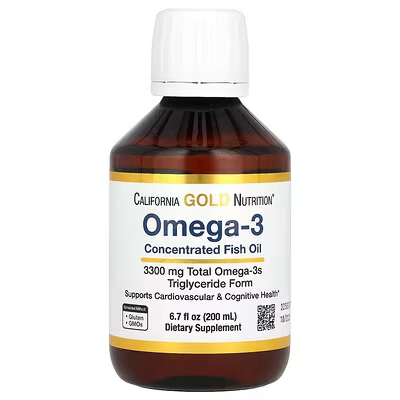
Real Health
Kids Smart Hi DHA-Omega 3 Fish Oil Great Tasting Fruit Flavor
Other · 1 Burstlet · 30 servings · $0.33/serving
Best for
Ingredients (2)
Docosahexaenoic Acid
53%Dose
133 mg
Target
250–1000 mg
Form
—
Eicosapentaenoic Acid
6%Dose
28 mg
Target
500–2000 mg
Form
—
Children's product — scores and dose assessments use adult reference ranges. Actual adequacy may differ for children.
Nutrition
Calories, macros & sodium.
- Calories8 Calorie(s)
- Calories from Fat5 Calorie(s)
- Total Fat0.5 Gram(s)
- Saturated Fat1 Gram(s)
- Polyunsaturated Fat1 Gram(s)
- Monounsaturated Fat1 Gram(s)
- Cholesterol0 mg
Other Ingredients (18)
Artificial ColorsColorant
May trigger hyperactivity in sensitive children; potential link to allergic reactions
TalcAnti-caking
IARC classifies cosmetic-grade talc not containing asbestos as Group 2B (possibly carcinogenic to humans); perineal talc use as Group 2A (probably carcinogenic). Johnson & Johnson voluntarily withdrew talc-based baby powder from US/Canada in 2020 and globally in 2022 after extensive litigation tied to ovarian-cancer and mesothelioma cases. The 2018 FDA contamination survey found asbestos in 9 of 52 cosmetic talc products tested. As a supplement excipient talc is a pure manufacturing convenience — no nutritional or functional benefit to the user — so the asbestos-exposure risk has no offsetting upside. Safer alternatives (silicon dioxide, microcrystalline cellulose, rice hulls) are widely available.
SucraloseSweetener
Dose context matters. As a trace excipient in a tablet coating or capsule, the amount is minimal and not a meaningful concern. The evidence below applies to the gram-level intakes typical of sweetened protein powders, pre-workouts, and drink mixes: a 2022 human trial (Suez et al., Cell) showed sucralose disrupts gut bacteria and worsens blood sugar control in healthy adults, and a 2023 study (Schiffman et al.) found that sucralose-6-acetate — a compound formed when sucralose is digested — was genotoxic to human cells in vitro. It remains an artificial sweetener with no nutritional purpose.
CarmineColorant
Insect-derived (not vegan/vegetarian) and a recognized cause of IgE-mediated allergic reactions, including documented anaphylaxis. The FDA mandated explicit 'carmine'/'cochineal extract' labeling in 2011 specifically because of these reactions. Not toxic to the general population, but a genuine allergen with no health benefit; plant pigments achieve the same color.
Natural and Artificial FlavorsFlavor
The 'artificial' component means synthetic chemicals are used, but the exact compounds are proprietary and not disclosed on the label. If you have sensitivities or allergies, you cannot verify what's in it. Products using only natural flavors are more transparent.
XylitolSweetener
A FODMAP sugar alcohol that can cause GI distress (bloating, gas, diarrhea) at moderate doses (>10-20g/day), though supplement amounts are typically small. Extremely toxic to dogs — households with pets should store securely.
Coconut OilCarrier
Edible oil from coconut used as a release/anti-sticking agent and carrier in gummies and soft formats
Glyceryl StearateEmulsifier
A glycerin-and-stearic-acid ester used as an emulsifier and skin-conditioning agent
How to Take It
Take it anytime
Take with a meal — absorption improves with dietary fat and it prevents fishy burps.
With food
On the label
As part of your child's daily diet, use Kid's Smart Omega 3 Fish Oil to help maximize their intake of Omega-3 nutrients.
General guidance based on the ingredients, not a substitute for the label or your doctor.
Price Check
$9.99
Cheaper than 95% of 382 omega-3 supplements
Track this supplement in your stack
Get personalized insights, interactions, and coverage recommendations.
Get Started FreeSimilar Supplements
Momentous
Omega-3
❤️ for Heart
100
California Gold Nutrition
Norwegian Extra Strength Omega 3 Fish Oil, Natural Lemon, 6.7 fl oz (200 ml)
❤️ for Heart
99
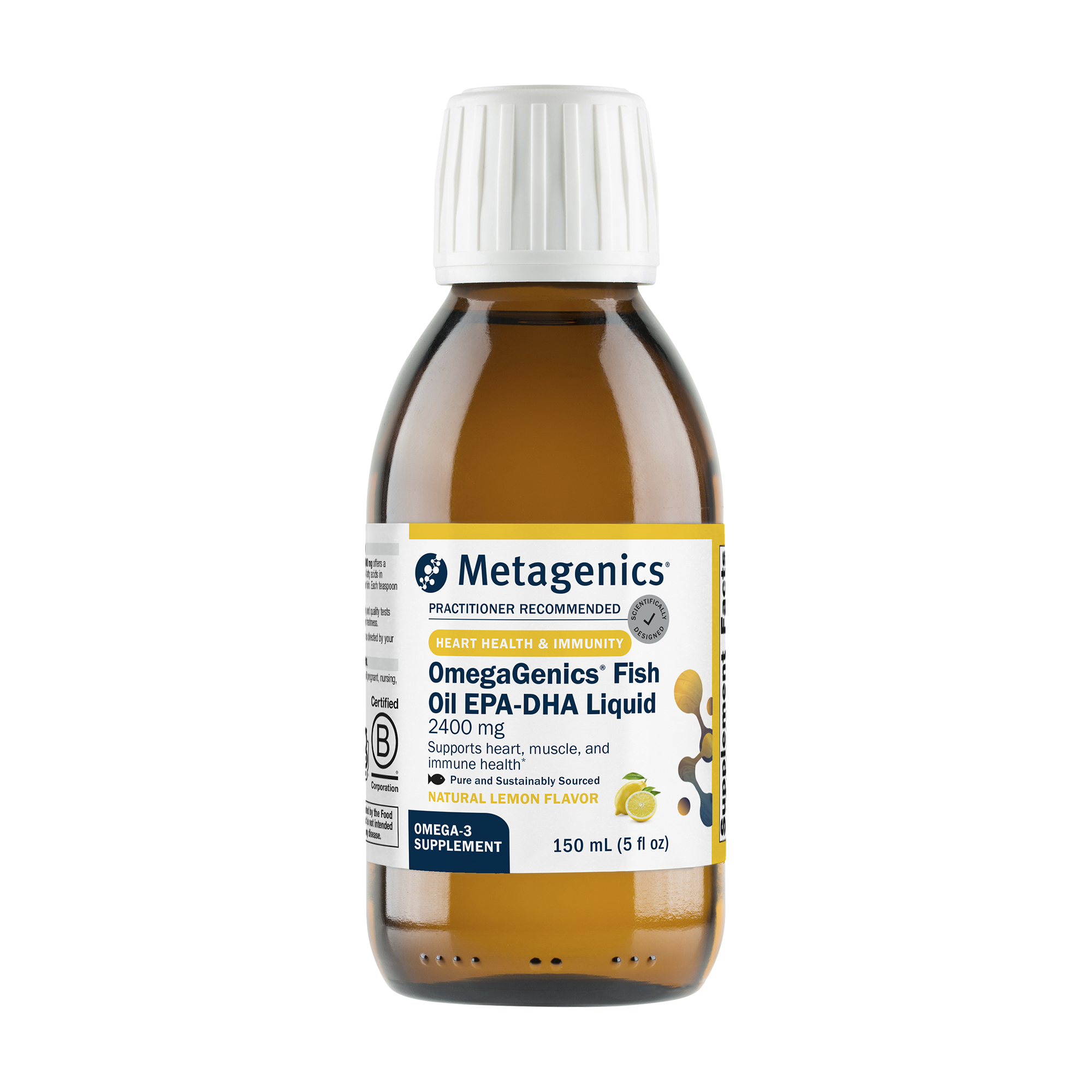
Metagenics
OmegaGenics Fish Oil EPA-DHA 2400 mg (Lemon)
❤️ for Heart
99
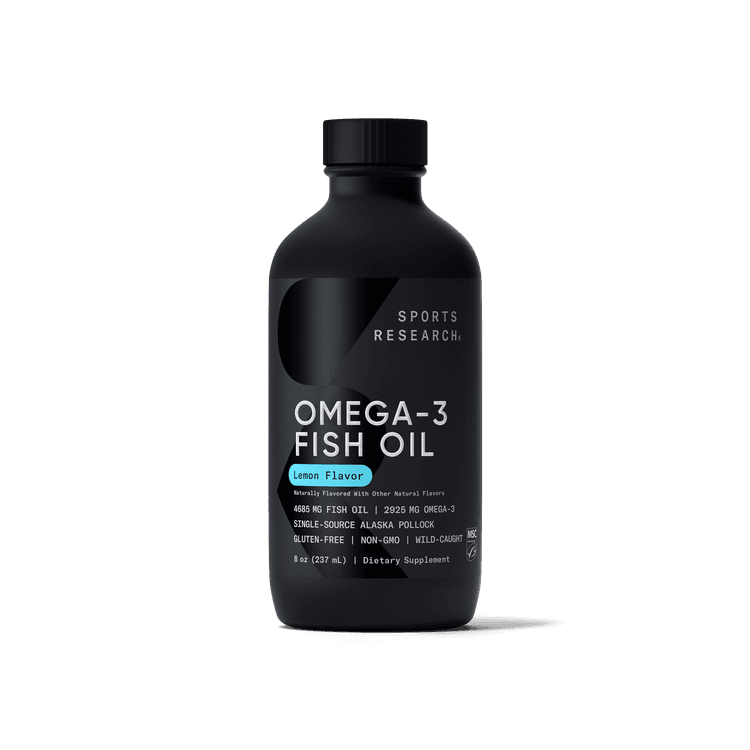
Sports Research
Omega-3 Fish Oil Liquid (Lemon Flavor)
❤️ for Heart
99
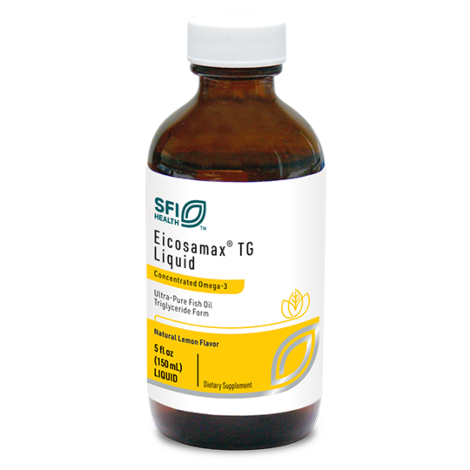
SFI Health
Eicosamax TG Liquid Natural Lemon Flavor
❤️ for Heart
98
Sources & Scoring
Nutrient data (RDA, UL, and safety thresholds) sourced from the NIH Office of Dietary Supplements and the National Academies Dietary Reference Intakes (DRI).
This is not medical advice. Consult a healthcare provider before making changes to your supplement routine.
The score analyzes what's on the label: ingredient doses vs. studied ranges, chemical forms, evidence levels, and known interactions. It does not verify label accuracy or test for contaminants — for that, look for third-party certifications like USP or NSF.