BioStacks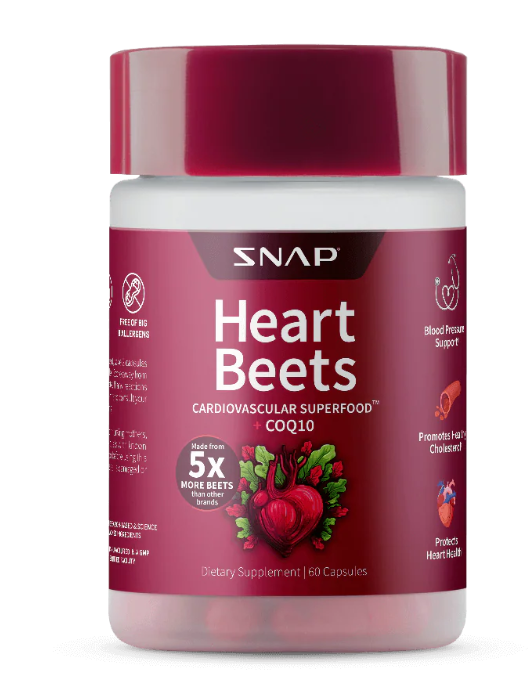
Best for
Ingredients (7)
Beet Root
100%Dose
5000 mg
Target
3000–6000 mg
Form
—
Vitamin B12
2%Dose
5 mcg
Target
250–5000 mcg
Form
Premium
Niacin
32%Dose
8 mg
Target
25–500 mg
Form
Standard
Beet Root Extract
42%Dose
1250 mg
Target
3000–6000 mg
Form
—
Vitamin C
8%Dose
20 mg
Target
250–2000 mg
Form
Budget
Nutrition
Calories, macros & sodium.
- Sodium30 mg
Other Ingredients (10)
MaltitolSweetener
Worst GI tolerance of the common sugar alcohols — laxative effect at doses above ~10–15 g/serving in many adults; threshold is lower in children. Glycemic index (~52) is significantly higher than erythritol (0) or xylitol (~7) — meaningful blood glucose impact at typical serving sizes. The 'sugar-free' marketing claim masks real metabolic effects when consumed in quantity.
Fruit Juice (unspecified)Colorant
Juice or juice concentrate used primarily for natural color and flavor in gummies
MonoglyceridesEmulsifier
Glycerol monoesters of fatty acids used as emulsifiers and processing lubricants
Natural FlavorsFlavor
Broad regulatory category of flavor constituents derived from natural sources. Composition is proprietary and not disclosed — 'Natural Flavors' can include several hundred different compounds depending on the target flavor profile, including hexane-extracted constituents and proprietary carrier solvents. 'Natural' is a regulatory definition (21 CFR §101.22), not a safety guarantee.
Citric AcidAcidulant
Natural acid derived from citrus fruits
Gum AcaciaBinder
Natural plant gum (acacia) used as a binder, stabilizer, and emulsifier in foods and supplements
Vegetable OilCarrier
Edible oils used as carriers in softgels and as processing aids
Stevia ExtractSweetener
Zero-calorie natural sweetener extracted from the leaves of Stevia rebaudiana
How to Take It
Best taken in the morning
The Vitamin B12 in it is what pulls this toward the morning. What's in this absorbs poorly without a fat-containing meal — take it with one.
With a meal containing fat
On the label
As a dietary supplement, take 2 soft chews daily or as directed by your medical provider.
General guidance based on the ingredients, not a substitute for the label or your doctor.
Price Check
$34.96
Near the median of 239 energy supplements
Track this supplement in your stack
Get personalized insights, interactions, and coverage recommendations.
Get Started FreeSimilar Supplements
SNAP
Heart Beets Capsules
🧬 for Longevity
31
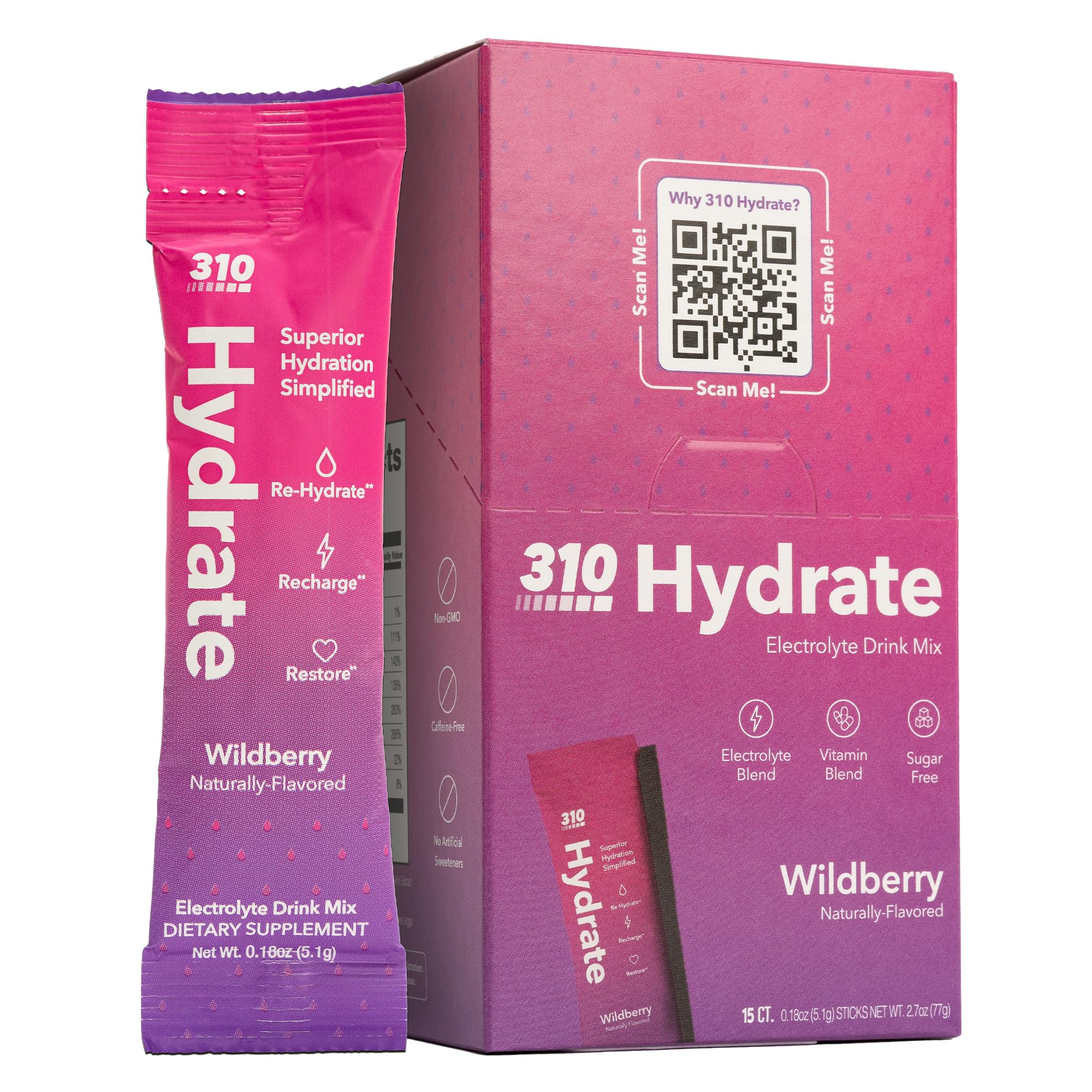
310 Nutrition
310 Hydrate (Wildberry)
💧 for Hydration
62
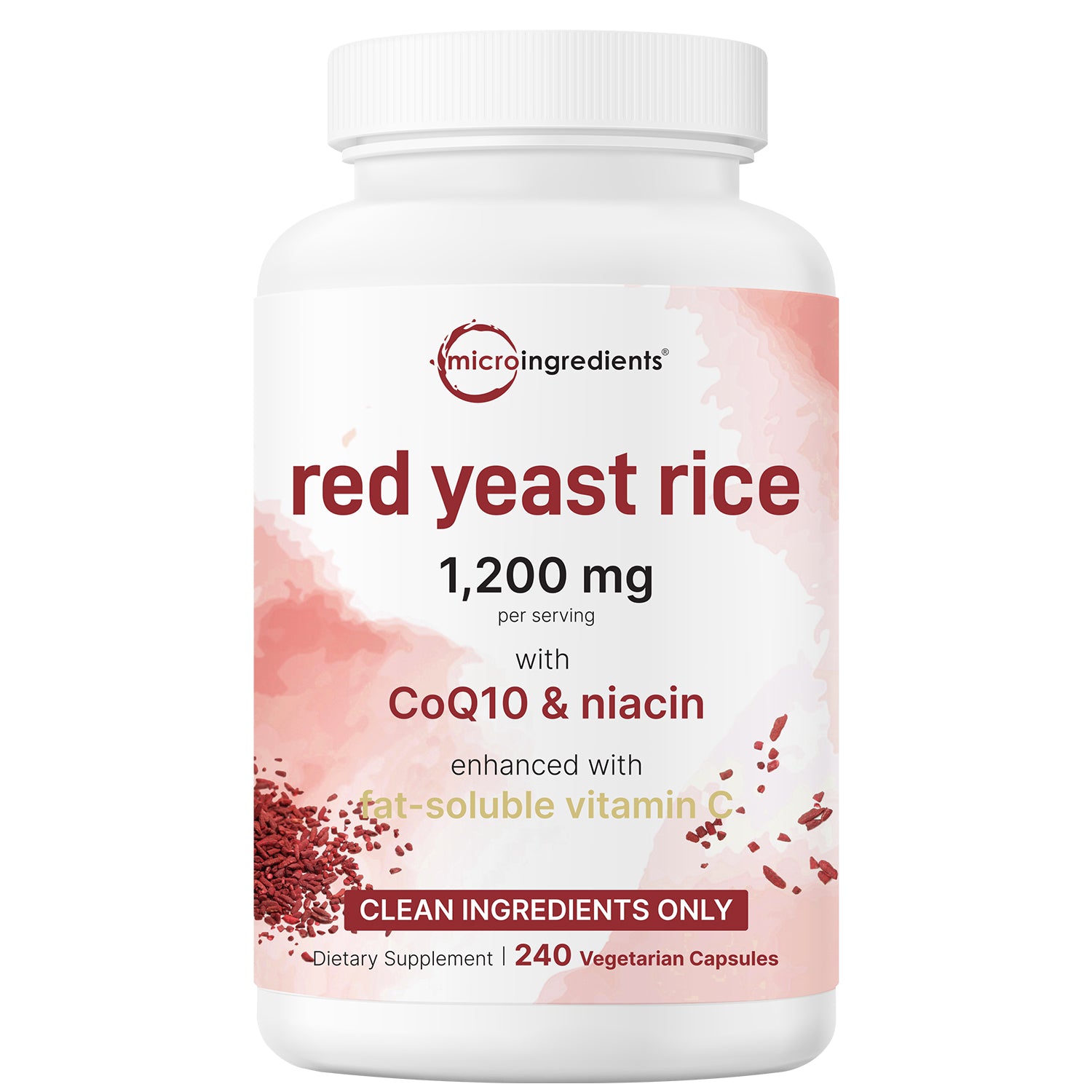
Micro Ingredients
Red Yeast Rice 1200 mg with CoQ10 & Niacin
🧬 for Longevity
70
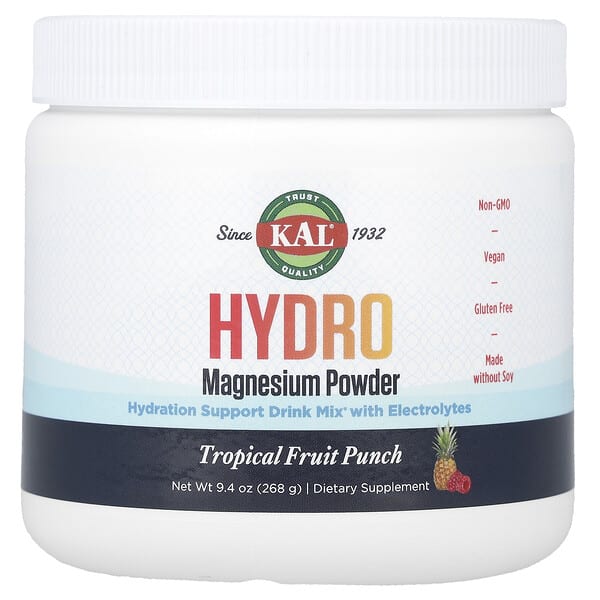
KAL
HYDRO Magnesium Powder (Tropical Fruit Punch)
⚡ for Energy
70
Primal Harvest
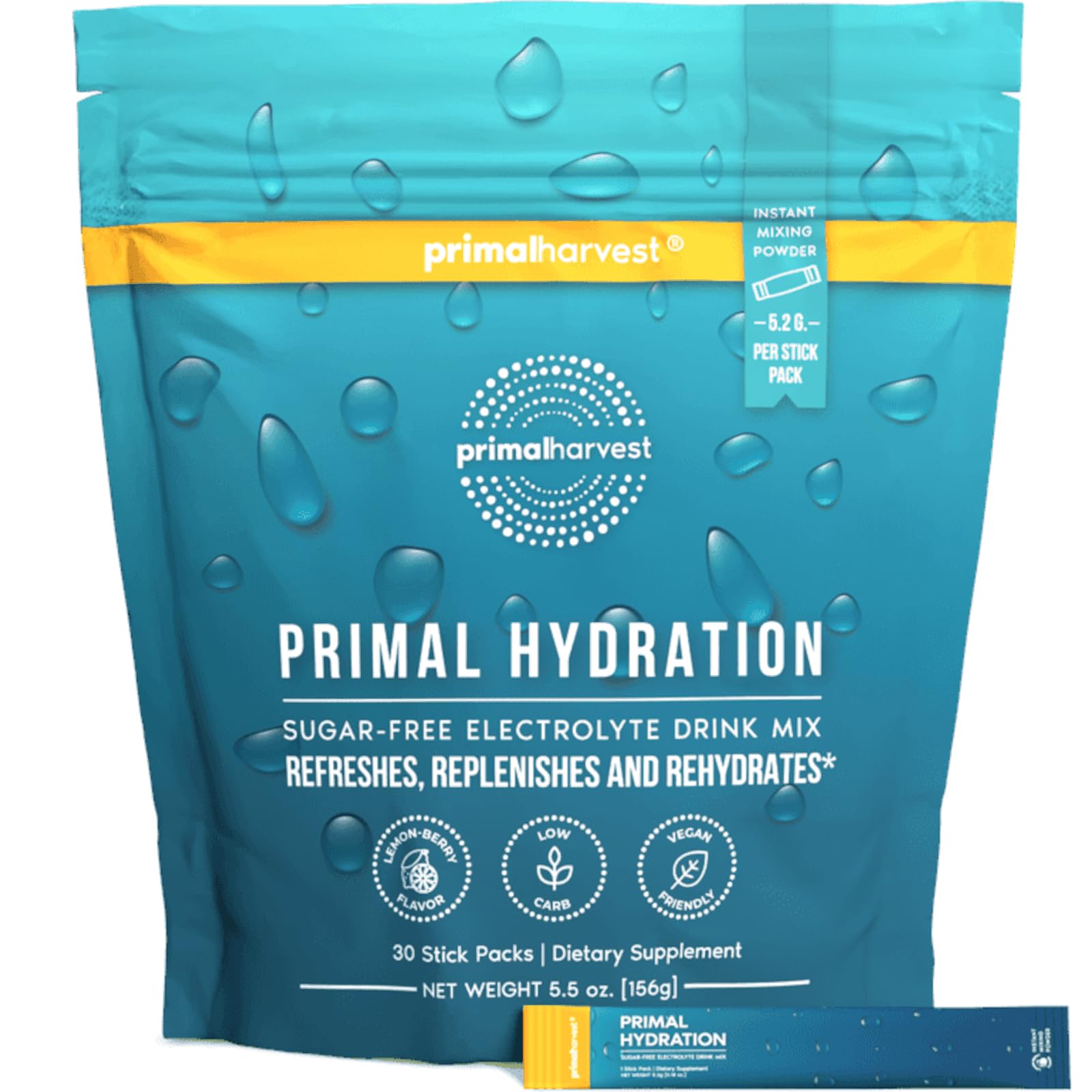
Electrolytes Powder Packets Lemon Berry (Lemon Berry)
💧 for Hydration
68
Sources & Scoring
Nutrient data (RDA, UL, and safety thresholds) sourced from the NIH Office of Dietary Supplements and the National Academies Dietary Reference Intakes (DRI).
This is not medical advice. Consult a healthcare provider before making changes to your supplement routine.
The score analyzes what's on the label: ingredient doses vs. studied ranges, chemical forms, evidence levels, and known interactions. It does not verify label accuracy or test for contaminants — for that, look for third-party certifications like USP or NSF.