This capsule delivers **Vitamin D3** at 5,000 IU as cholecalciferol — the same form your skin makes from sunlight and the most effective form for raising blood levels. At 5,000 IU you're at the top of the clinically supported range (1,000–5,000 IU), well above the conservative 600 IU RDA. D3 is essential for calcium absorption, immune regulation, and bone maintenance. It also includes **Vitamin K2** as MK-7, the long-acting form that stays active in your body for roughly 96 hours, directing calcium into your bones and away from your arteries.
The D3 and K2 pairing is a well-established synergy: D3 pulls more calcium from your gut, and K2 ensures that calcium ends up in your skeleton. However, the K2 dose here is 50 mcg — below the 100–200 mcg range used in most studies. You're getting high-quality MK-7, but at roughly half the researched dose.
Because D3 is fat-soluble, taking this with a meal that includes some fat will improve your absorption. The 5,000 IU dose exceeds the official upper limit (4,000 IU), though it's common for people with low levels. If you haven't had your vitamin D blood level tested, checking before committing to this dose is worth considering.
BioStacks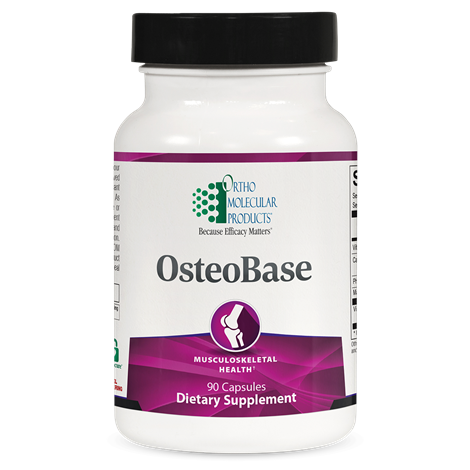
Best for
Ingredients (4)
Vitamin D3
100%Dose
5000 IU
Target
1000–5000 IU
Form
Premium
Phosphorus
85%Dose
85 mg
Target
100–500 mg
Form
Budget
Vitamin K2
56%Dose
50 mcg
Target
90–200 mcg
Form
Premium
Calcium
110 mgTrace amount — not scored
Other Ingredients (6)
Rice ExtractFiller
Rice-based ingredients carry risk of inorganic arsenic contamination. Vague labeling — 'rice extract' does not specify what is extracted or standardized. Used as a cheap filler with no supplemental benefit.
Silicon DioxideAnti-caking
Fine silica powder used to prevent clumping
Microcrystalline CelluloseBinder
Plant-derived cellulose used as a binder and filler in supplements
GlycerinHumectant
Sweet-tasting liquid used in soft capsules and liquids
StarchBinder
Carbohydrate polymer used as a binder, filler, and disintegrant in tablets and capsules
Microcrystalline CelluloseBinder
Plant-derived cellulose used as a binder and filler in supplements
How to Take It
Take it anytime
Fat-soluble — take with your largest fat-containing meal. Time of day doesn't matter.
With a meal containing fat
On the label
Directions: Use only as directed. Take 1 VegCap daily with a meal or glass of water.
General guidance based on the ingredients, not a substitute for the label or your doctor.
Price Check
$31.99
Near the median of 798 multivitamins
Track this supplement in your stack
Get personalized insights, interactions, and coverage recommendations.
Get Started FreeSimilar Supplements
Ortho Molecular Products
OsteoBase
🦷 for Dental
69
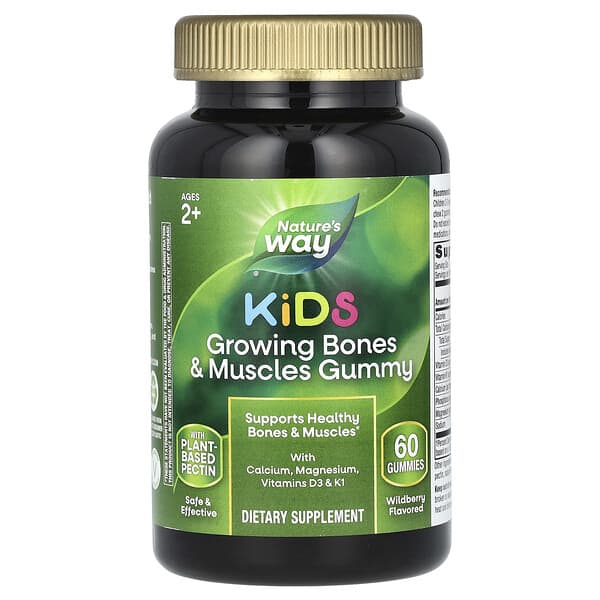
Nature's Way
Kids, Growing Bones & Muscles Gummy, Ages 2 +, Wildberry
🦷 for Dental
28
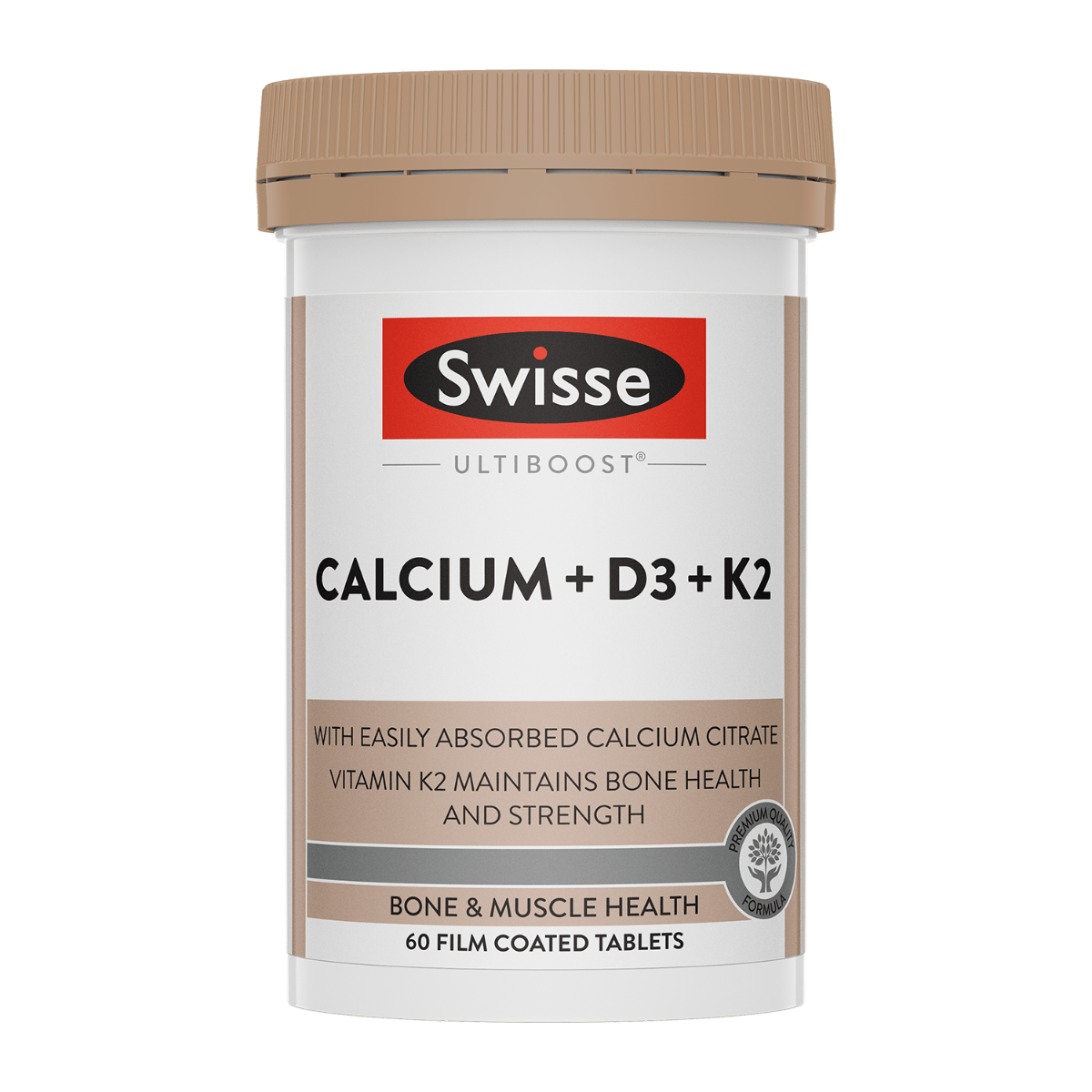
Swisse
Calcium + D3 + K2
🦷 for Dental
100
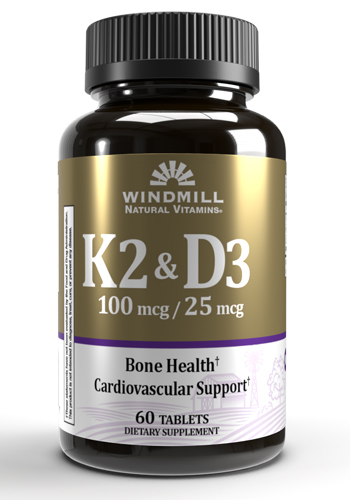
Windmill
Vitamin K (K-2 Menaquinone-7, 100 mcg) with Vitamin D-3
🦴 for Bone & Joint
93
Ortho Molecular Products
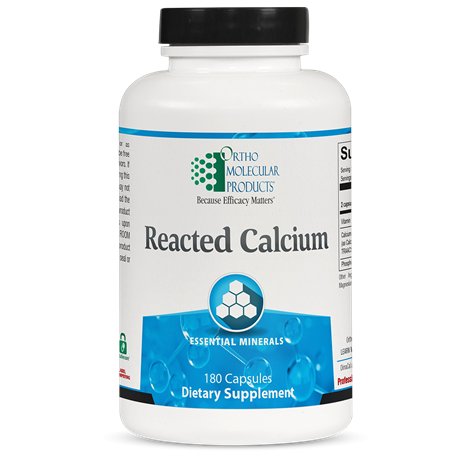
Reacted Calcium
🦷 for Dental
91
Sources & Scoring
Nutrient data (RDA, UL, and safety thresholds) sourced from the NIH Office of Dietary Supplements and the National Academies Dietary Reference Intakes (DRI).
This is not medical advice. Consult a healthcare provider before making changes to your supplement routine.
The score analyzes what's on the label: ingredient doses vs. studied ranges, chemical forms, evidence levels, and known interactions. It does not verify label accuracy or test for contaminants — for that, look for third-party certifications like USP or NSF.