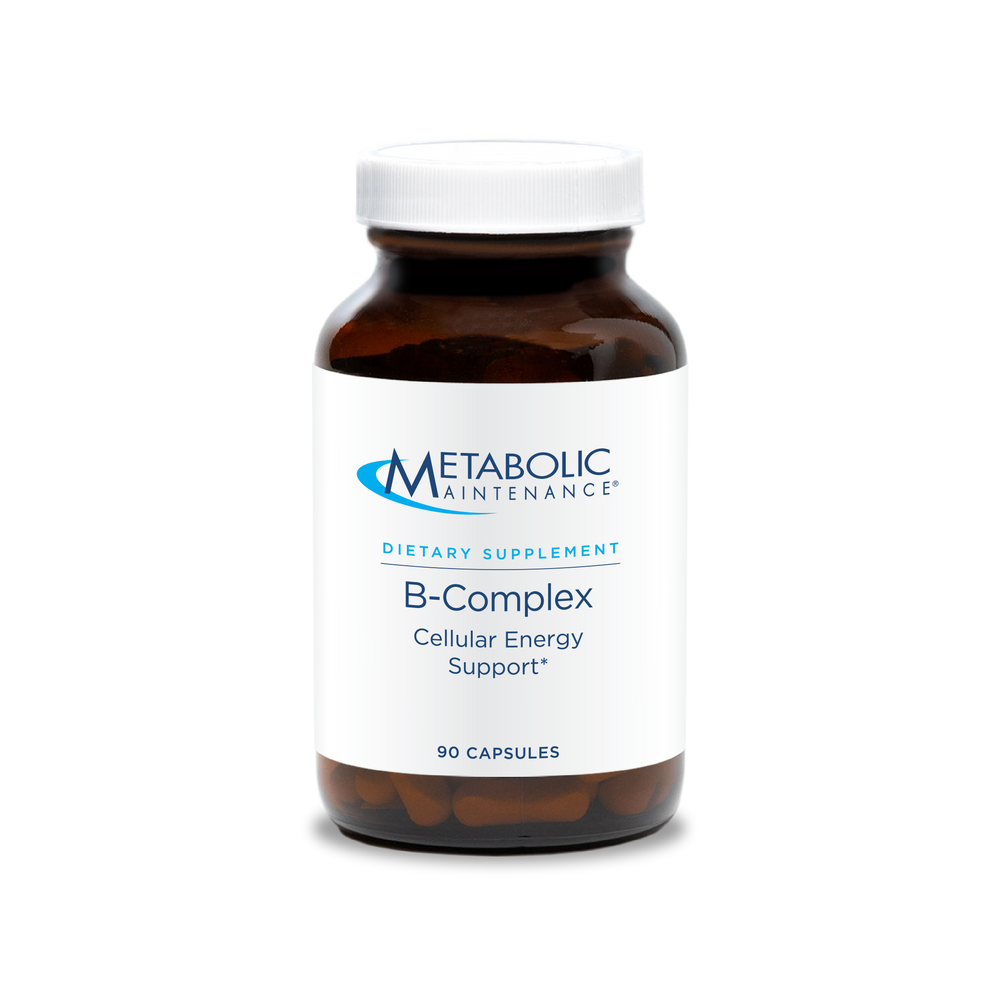
This B-complex pairs **Vitamin C** at 500mg with a full range of B vitamins, targeting energy and stress support. **Niacin (B3)** at 100mg and **Pantothenic Acid (B5)** at 100mg are both well within clinical ranges for energy metabolism and adrenal support. The **Vitamin C** dose is solid for immune function and antioxidant protection, though the ascorbic acid form absorbs less efficiently above this dose level.
The weaker spots are where it matters most for a stress-labeled B-complex. **Vitamin B12** is dosed at just 25 mcg as cyanocobalamin — the typical supplemental range starts at 250 mcg, so you're getting about 10% of what most B-complex products deliver. **Folate** provides only 100 mcg of folic acid (a synthetic form that up to half the population converts poorly), well below the 400 mcg RDA. **B1**, **B2**, and **B6** all sit at 10mg, below the 25mg minimum you'd typically see in a dedicated B-complex.
If you're looking for meaningful B-vitamin support for stress or energy, the doses here fall short on several key vitamins — particularly B12 and folate. The B5, B3, and Vitamin C are the real contributors in this formula.
BioStacks
Best for
Ingredients (12)
Pantothenic Acid
100%Dose
100 mg
Target
50–500 mg
Form
Premium
Niacin
100%Dose
100 mg
Target
25–500 mg
Form
Standard
Vitamin B6
40%Dose
10 mg
Target
25–100 mg
Form
Premium
Biotin
3%Dose
25 mcg
Target
1000–5000 mcg
Form
—
Vitamin C
100%Dose
500 mg
Target
250–2000 mg
Form
Budget
Other Ingredients (7)
Silicon DioxideAnti-caking
Fine silica powder used to prevent clumping
Magnesium StearateLubricant
A salt of stearic acid used as a lubricant in tablet and capsule production
Carnauba WaxCoating
Hard plant wax from the carnauba palm used to glaze gummies and tablets
Microcrystalline CelluloseBinder
Plant-derived cellulose used as a binder and filler in supplements
Microcrystalline CelluloseBinder
Plant-derived cellulose used as a binder and filler in supplements
GlycerinHumectant
Sweet-tasting liquid used in soft capsules and liquids
Stearic AcidLubricant
Saturated fatty acid used as tablet lubricant
How to Take It
Take it anytime
No evidence a formula this broad works better at any particular hour. Take it with food — the choline in it is what makes this kind of product feel nauseating on an empty stomach.
With food
On the label
Suggested use: As a dietary supplement for adults, take two (2) tablets daily, preferably with a meal or as directed by a healthcare practitioner.
General guidance based on the ingredients, not a substitute for the label or your doctor.
Price Check
$22.40
Near the median of 375 vitamin C supplements
Track this supplement in your stack
Get personalized insights, interactions, and coverage recommendations.
Get Started FreeSimilar Supplements
Sources & Scoring
Nutrient data (RDA, UL, and safety thresholds) sourced from the NIH Office of Dietary Supplements and the National Academies Dietary Reference Intakes (DRI).
This is not medical advice. Consult a healthcare provider before making changes to your supplement routine.
The score analyzes what's on the label: ingredient doses vs. studied ranges, chemical forms, evidence levels, and known interactions. It does not verify label accuracy or test for contaminants — for that, look for third-party certifications like USP or NSF.