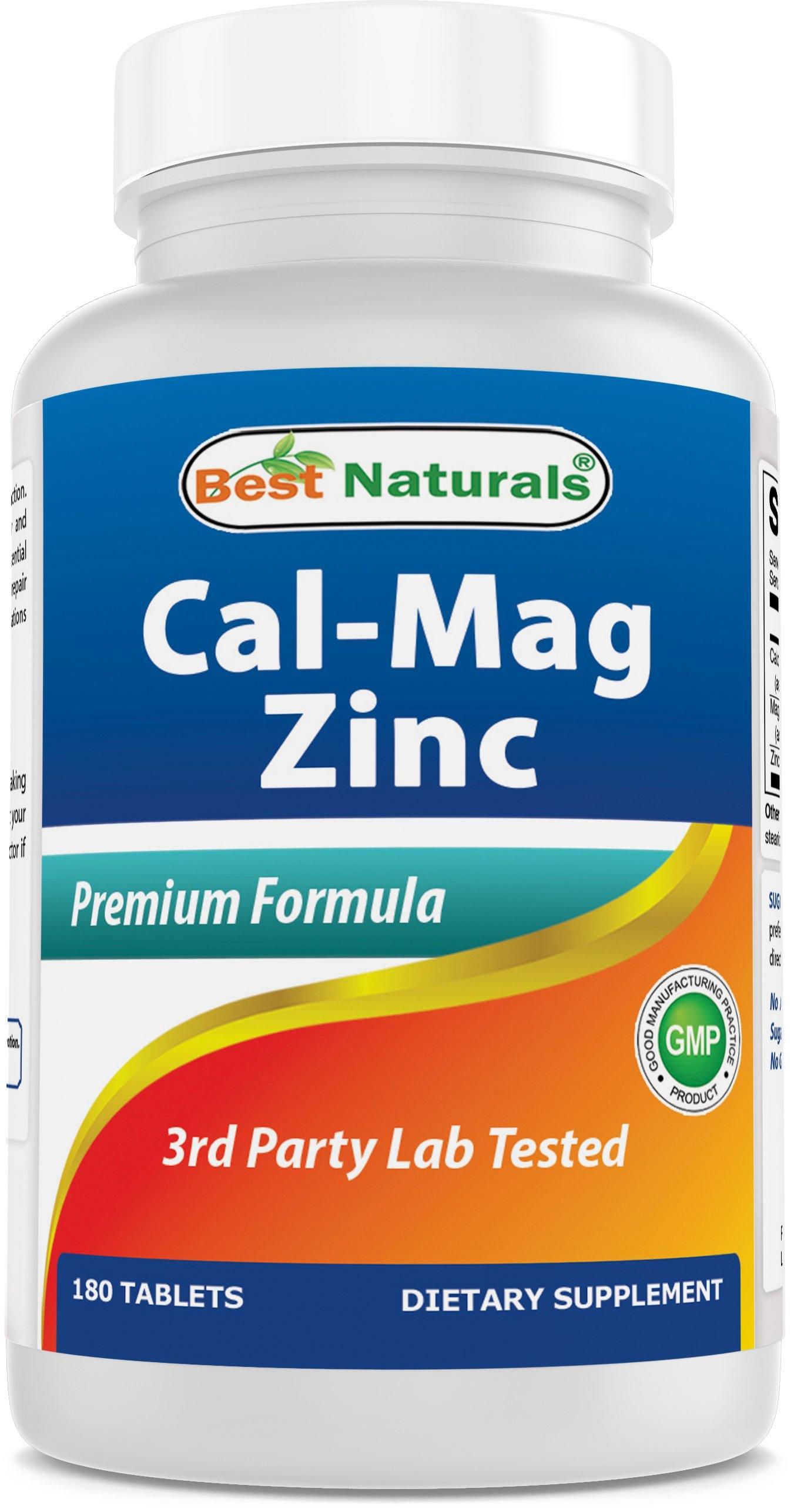
You're getting 1,000mg of **Calcium** and 400mg of **Magnesium** per three-tablet serving — both at the top of their supplemental ranges for bone and muscle support. However, calcium absorption drops sharply above 500mg per dose, so splitting your three tablets across meals (rather than taking all at once) will significantly improve how much your body actually absorbs.
The **Magnesium** blend includes citrate (well-absorbed) alongside oxide, which has roughly 4% absorption. The mixed forms mean you're not getting the full benefit of that 400mg number. **Zinc** at 15mg as gluconate covers the minimum studied dose for immune support — adequate but not generous.
The biggest gap here is the absence of **Vitamin D** — without it, your body absorbs only 10-15% of supplemental calcium. If bone health is your primary goal, you'd want to pair this with a separate vitamin D supplement to make the calcium count.
BioStacks
Best for
Ingredients (3)
Calcium
100%Dose
1000 mg
Target
200–600 mg
Form
Standard
Magnesium
100%Dose
400 mg
Target
100–400 mg
Form
Standard
Zinc
100%Dose
15 mg
Target
15–30 mg
Form
Standard
Other Ingredients (7)
Magnesium StearateLubricant
A salt of stearic acid used as a lubricant in tablet and capsule production
Carnauba WaxCoating
Hard plant wax from the carnauba palm used to glaze gummies and tablets
Citric AcidAcidulant
Natural acid derived from citrus fruits
Microcrystalline CelluloseBinder
Plant-derived cellulose used as a binder and filler in supplements
Microcrystalline CelluloseBinder
Plant-derived cellulose used as a binder and filler in supplements
GlycerinHumectant
Sweet-tasting liquid used in soft capsules and liquids
Stearic AcidLubricant
Saturated fatty acid used as tablet lubricant
How to Take It
Best taken in the evening
The Magnesium in it is what pulls this toward the evening. Take it with food — the zinc in it is what makes this kind of product feel nauseating on an empty stomach.
With food
Keep it away from high-oxalate foods like spinach
Space it a couple of hours from Iron
On the label
Suggested Use: As a dietary supplement for adults, take three (3) tablets daily with a meal. May be distributed throughout the day, or as directed by a healthcare practitioner.
General guidance based on the ingredients, not a substitute for the label or your doctor.
Price Check
$9.74
Cheaper than 86% of 294 calcium supplements
Track this supplement in your stack
Get personalized insights, interactions, and coverage recommendations.
Get Started FreeSimilar Supplements



Sources & Scoring
Nutrient data (RDA, UL, and safety thresholds) sourced from the NIH Office of Dietary Supplements and the National Academies Dietary Reference Intakes (DRI).
This is not medical advice. Consult a healthcare provider before making changes to your supplement routine.
The score analyzes what's on the label: ingredient doses vs. studied ranges, chemical forms, evidence levels, and known interactions. It does not verify label accuracy or test for contaminants — for that, look for third-party certifications like USP or NSF.