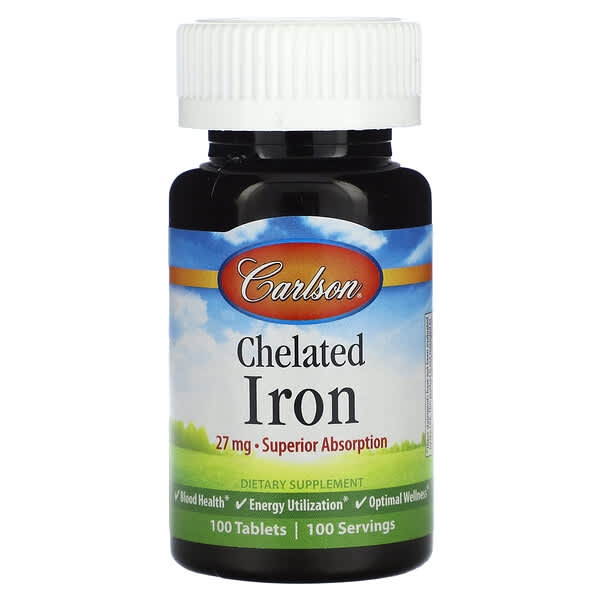
You're getting 25 mg of **iron** in the bisglycinate form, where the iron is bonded to the amino acid glycine. Bisglycinate is absorbed through a different intestinal pathway than standard iron salts like ferrous sulfate or fumarate, which means significantly less stomach upset, nausea, and constipation. At 25 mg, the dose falls squarely in the clinical maintenance range (15-25 mg) used in studies for preventing and correcting deficiency, while staying well below the 45 mg tolerable upper limit.
Your body needs iron to carry oxygen through the bloodstream, produce cellular energy, and support cognitive function. If you are at higher risk of deficiency -- premenopausal, pregnant, following a plant-based diet, or training heavily in endurance sports -- a dedicated iron supplement at this dose can make a real difference in fatigue and physical performance. The evidence for iron supplementation in deficient individuals is strong across multiple well-designed clinical trials.
This product does not contain vitamin C, which is worth noting because vitamin C meaningfully increases iron absorption by converting it into a more readily absorbed form. Taking your tablet alongside a vitamin C source -- an orange, bell pepper, or a separate supplement -- can help you absorb more from each dose. The tablet is suitable for vegans and vegetarians, and the excipient list is straightforward with no unnecessary additions.
BioStacks
Other Ingredients (7)
Silicon DioxideAnti-caking
Fine silica powder used to prevent clumping
Magnesium StearateLubricant
A salt of stearic acid used as a lubricant in tablet and capsule production
Dicalcium PhosphateBinder
Calcium and phosphorus compound used as binder
Microcrystalline CelluloseBinder
Plant-derived cellulose used as a binder and filler in supplements
Stearic AcidLubricant
Saturated fatty acid used as tablet lubricant
Microcrystalline CelluloseBinder
Plant-derived cellulose used as a binder and filler in supplements
GlycerinHumectant
Sweet-tasting liquid used in soft capsules and liquids
How to Take It
Best taken in the morning
Bisglycinate is the gentle form — most people tolerate it on an empty stomach, which is exactly where it absorbs best. Vitamin C may help absorption.
On an empty stomach
Keep it away from coffee, tea and dairy
Space it a couple of hours from Calcium, Zinc, Magnesium, Manganese and Green Tea Leaf Extract
On the label
Suggested Use: As a dietary supplement for adults, take one (1) tablet daily, preferably with a meal or as directed by a healthcare practitioner.
Labels usually say “with food” because it's gentler on the stomach, not because it absorbs better. Fasted absorbs more — start there, and switch to a light meal if it bothers you.
General guidance based on the ingredients, not a substitute for the label or your doctor.
Price Check
$8.49
Cheaper than 87% of 138 iron supplements
Track this supplement in your stack
Get personalized insights, interactions, and coverage recommendations.
Get Started FreeSimilar Supplements
Sources & Scoring
Nutrient data (RDA, UL, and safety thresholds) sourced from the NIH Office of Dietary Supplements and the National Academies Dietary Reference Intakes (DRI).
This is not medical advice. Consult a healthcare provider before making changes to your supplement routine.
The score analyzes what's on the label: ingredient doses vs. studied ranges, chemical forms, evidence levels, and known interactions. It does not verify label accuracy or test for contaminants — for that, look for third-party certifications like USP or NSF.