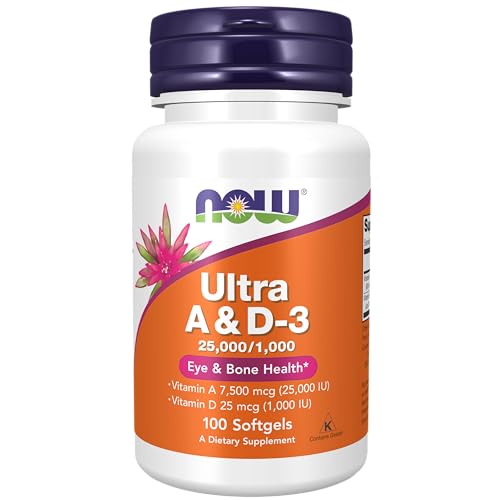
If you're looking for immune and bone support from **Vitamin A** and **Vitamin D**, this cod liver oil delivers on the first but falls short on the second. Three softgels daily give you 1,125mcg of Vitamin A — well within the 700–1,500mcg clinical range — but only 405 IU of **Vitamin D**, less than half the 1,000 IU minimum supported by current research.
Both vitamins come in well-absorbed forms: Vitamin D as D3 and Vitamin A as a preformed source. The cod liver oil base also provides some omega-3 fatty acids, though no EPA or DHA amounts appear on the label, so you can't gauge your omega-3 intake from this product.
The main gap is the Vitamin D dose. At 405 IU across your full daily serving, you're unlikely to move the needle on D levels. This works as a Vitamin A source with modest secondary benefits, but if Vitamin D is your primary goal, you'll need to supplement it separately.
BioStacks
Other Ingredients (6)
Cod Liver OilCarrier Oil
Purified cod liver oil used as an omega-3 carrier base in softgel/liquid formulations
CholecalciferolVitamin
Vitamin D3 added in trace amounts for fortification in protein powders and other supplements
GelatinCapsule
Protein derived from collagen, used in traditional capsule shells
Mixed TocopherolsAntioxidant
Natural vitamin E used as preservative
GlycerinHumectant
Sweet-tasting liquid used in soft capsules and liquids
Retinyl Palmitate (vitamin a)
Not reviewed yet
How to Take It
Take it anytime
Fat-soluble — take with a meal containing fat for better absorption. Time of day doesn't matter.
With a meal containing fat
Split into 3 doses across the day
On the label
Suggested Use: As a dietary supplement for adults, take one (1) softgel three times daily, preferably with meals, or as directed by a healthcare practitioner.
General guidance based on the ingredients, not a substitute for the label or your doctor.
Price Check
$7.19
Cheaper than 90% of 79 vitamin A supplements
Track this supplement in your stack
Get personalized insights, interactions, and coverage recommendations.
Get Started FreeSimilar Supplements
Sources & Scoring
Nutrient data (RDA, UL, and safety thresholds) sourced from the NIH Office of Dietary Supplements and the National Academies Dietary Reference Intakes (DRI).
This is not medical advice. Consult a healthcare provider before making changes to your supplement routine.
The score analyzes what's on the label: ingredient doses vs. studied ranges, chemical forms, evidence levels, and known interactions. It does not verify label accuracy or test for contaminants — for that, look for third-party certifications like USP or NSF.