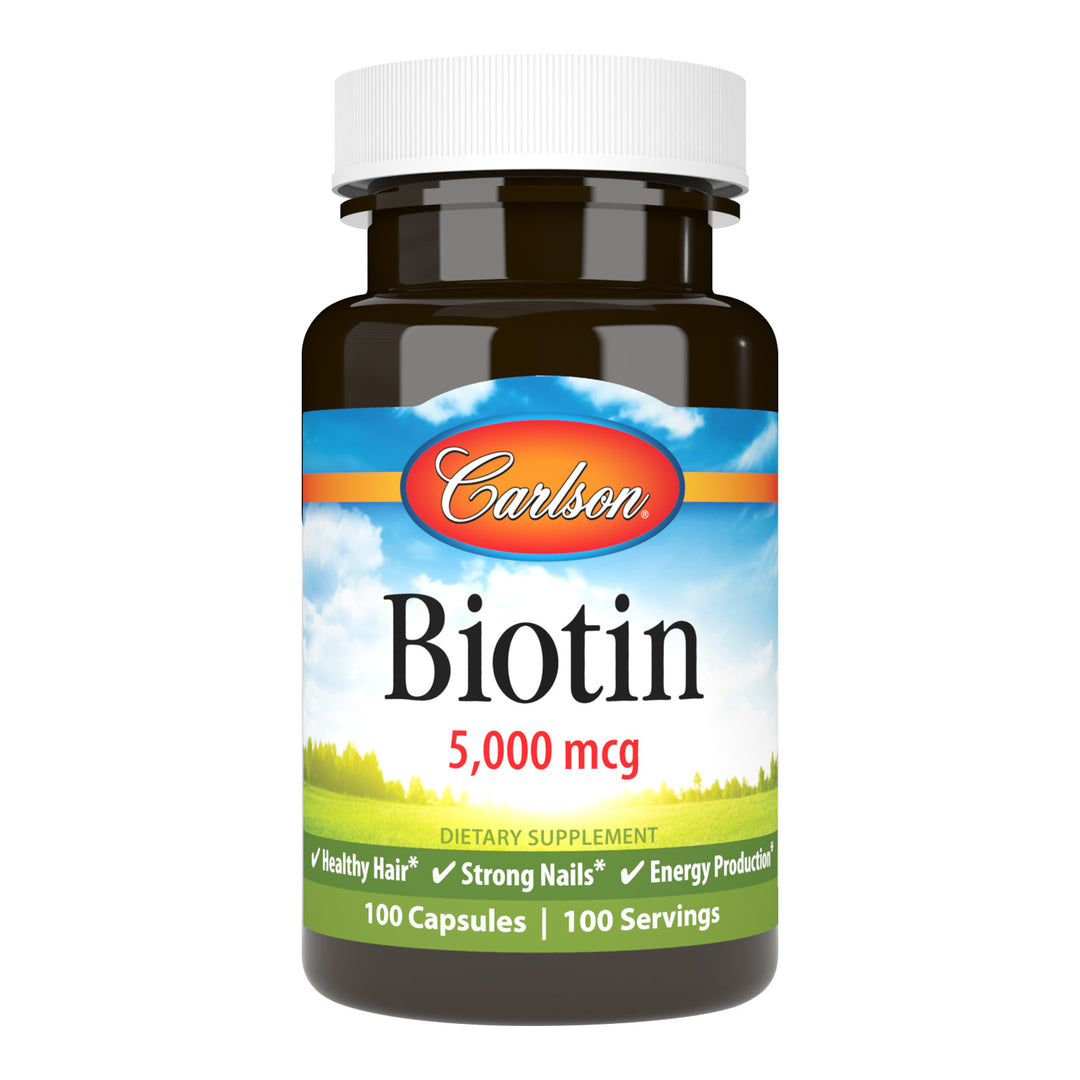
Hair, skin, and nail support is the main reason people reach for **Biotin**, but the clinical evidence only supports benefits if you're actually deficient. At 1,000 mcg per capsule — right at the minimum of the supplement range (1,000–5,000 mcg) — this gives you a moderate dose, and taking the label's upper suggestion of two daily puts you at 2,000 mcg.
The capsule format makes it easy to adjust your intake based on how you respond. Biotin is water-soluble, so your body excretes what it doesn't need, and side effects at these doses are rare.
The key caveat is that if your biotin levels are already normal, you may not notice a meaningful difference. The research showing hair and nail improvements is largely limited to deficient individuals, so managing your expectations around results is important.
BioStacks
Other Ingredients (4)
Magnesium StearateLubricant
A salt of stearic acid used as a lubricant in tablet and capsule production
Microcrystalline CelluloseBinder
Plant-derived cellulose used as a binder and filler in supplements
Stearic AcidLubricant
Saturated fatty acid used as tablet lubricant
Microcrystalline CelluloseBinder
Plant-derived cellulose used as a binder and filler in supplements
How to Take It
Take it anytime
Timing doesn't matter — but stop taking it 2–3 days before any blood test. Biotin skews thyroid and troponin lab results.
With or without food
On the label
Suggested Use: As a dietary supplement for adults, take one (1) vegetable capsule one to two times daily preferably with a meal, or as directed by a healthcare practitioner.
General guidance based on the ingredients, not a substitute for the label or your doctor.
Price Check
$11.02
Near the median of 140 vitamin B7 supplements
Track this supplement in your stack
Get personalized insights, interactions, and coverage recommendations.
Get Started FreeSimilar Supplements
Sources & Scoring
Nutrient data (RDA, UL, and safety thresholds) sourced from the NIH Office of Dietary Supplements and the National Academies Dietary Reference Intakes (DRI).
This is not medical advice. Consult a healthcare provider before making changes to your supplement routine.
The score analyzes what's on the label: ingredient doses vs. studied ranges, chemical forms, evidence levels, and known interactions. It does not verify label accuracy or test for contaminants — for that, look for third-party certifications like USP or NSF.