If you're after omega-3 benefits for heart or brain health, this plant-based option has a major limitation. Your body only converts about 5–10% of the **ALA** (alpha-linolenic acid) in **Flaxseed Oil** into the EPA and DHA that drive most omega-3 health outcomes. Even at the full eight-softgel daily dose (4,500 mg ALA), you're looking at roughly 225–450 mg of usable EPA+DHA equivalent — well below the 1,000–3,000 mg clinical range.
Each two-softgel serving gives you 2,500 mg of organic flaxseed oil with 1,125 mg of ALA, along with linoleic acid and oleic acid. These fatty acids have their own modest roles in overall health, but they won't replace direct EPA and DHA for cardiovascular or cognitive support.
The pill burden is also significant — eight softgels per day to hit the suggested dose. If you're vegan or prefer plant-based supplements, this delivers ALA reliably, but keep your expectations realistic about the omega-3 conversion.
BioStacks
Nutrition
Calories, macros & sodium.
- Calories25 Calorie(s)
- Total Fat2.5 Gram(s)
- Polyunsaturated Fat2 Gram(s)
Other Ingredients (2)
GelatinCapsule
Protein derived from collagen, used in traditional capsule shells
GlycerinHumectant
Sweet-tasting liquid used in soft capsules and liquids
How to Take It
Take it anytime
Timing doesn't matter for this one — taking it consistently does.
With or without food
Split into 4 doses across the day
On the label
Suggested Use: As a dietary supplement for adults, take two (2) softgels four times daily, preferably with meals or as directed by a healthcare practitioner.
General guidance based on the ingredients, not a substitute for the label or your doctor.
Price Check
$11.84
Cheaper than 92% of 382 omega-3 supplements
Track this supplement in your stack
Get personalized insights, interactions, and coverage recommendations.
Get Started FreeSimilar Supplements
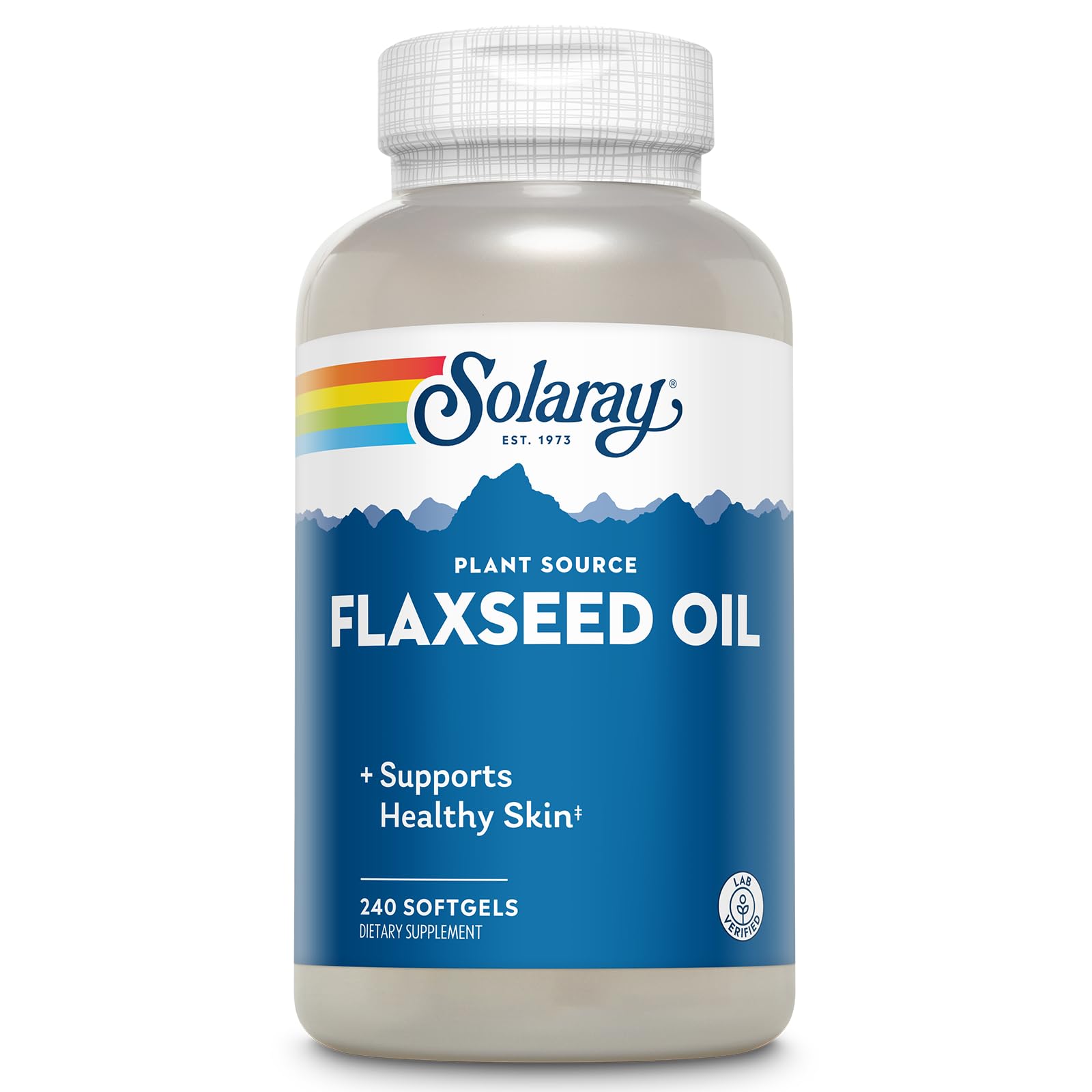
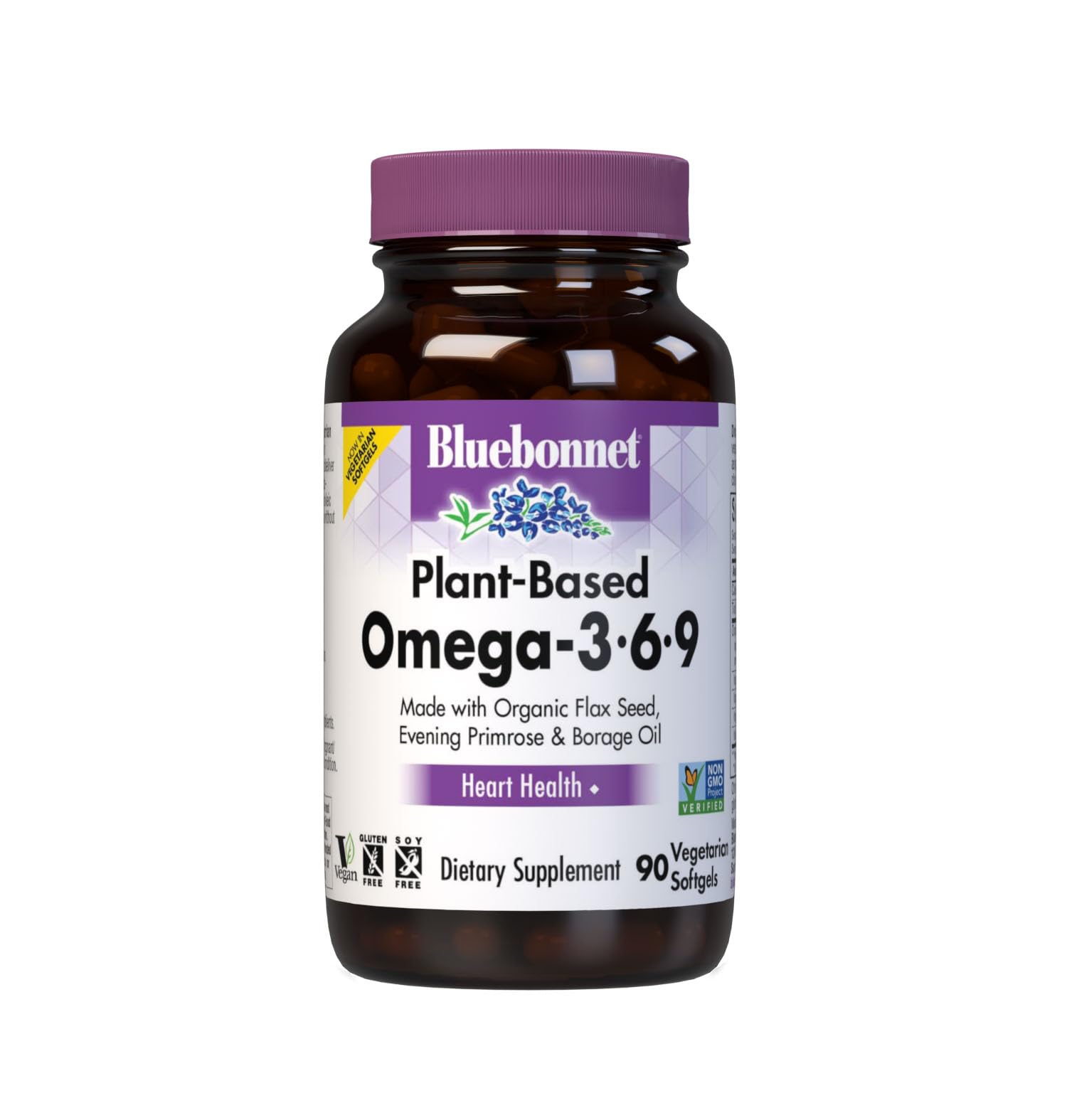
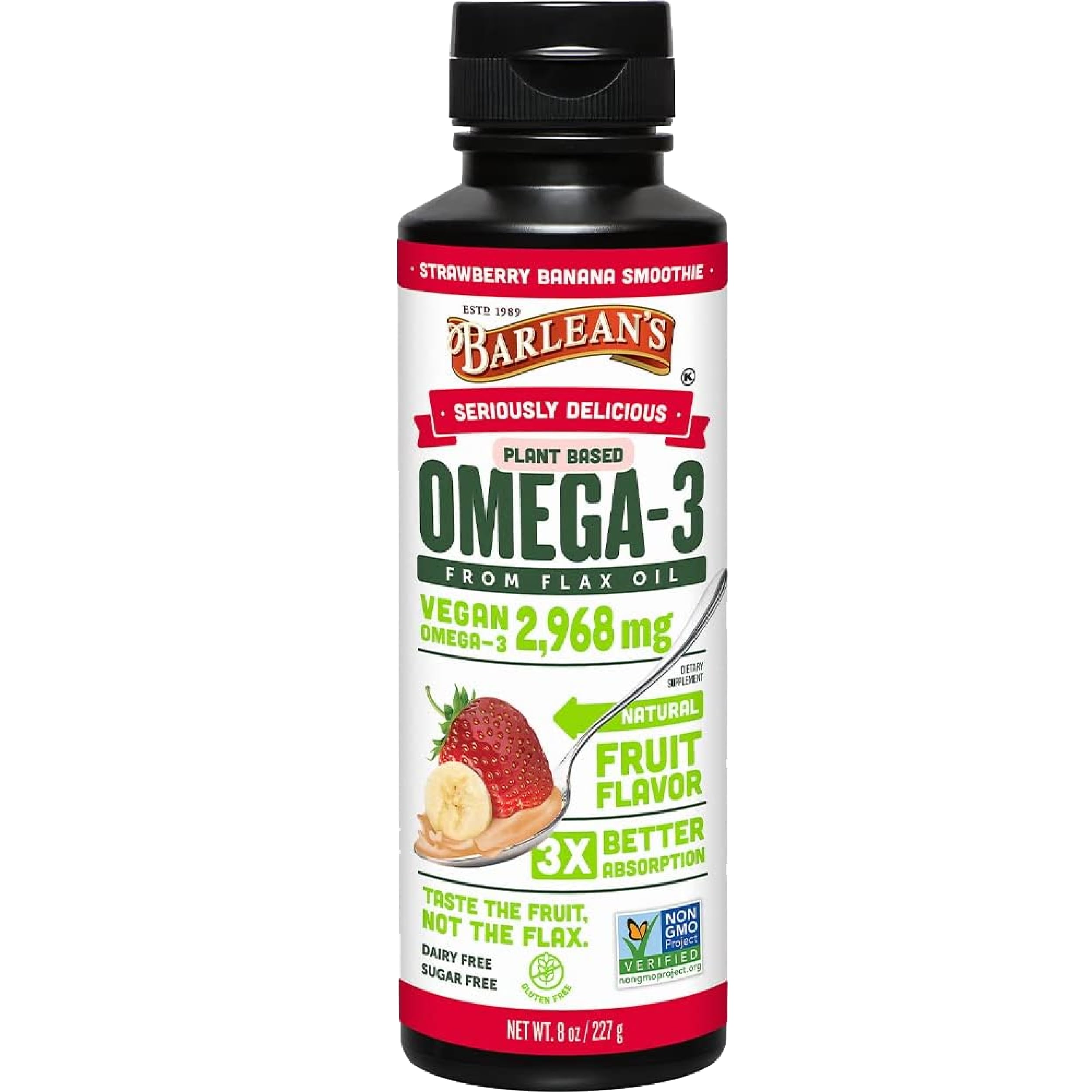
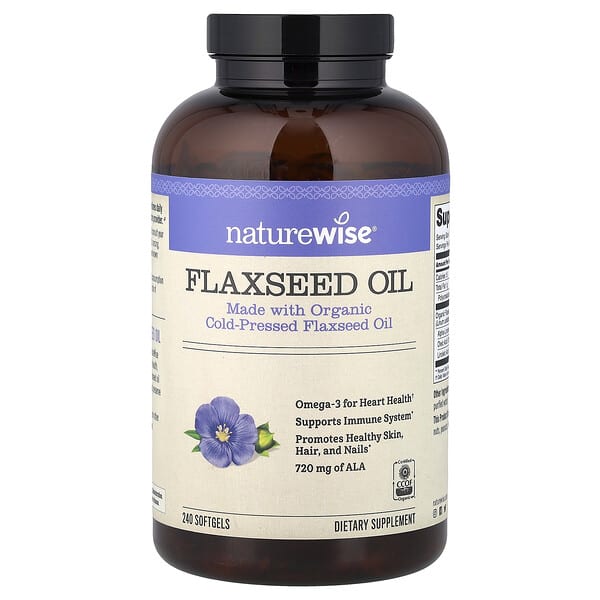
Sources & Scoring
Nutrient data (RDA, UL, and safety thresholds) sourced from the NIH Office of Dietary Supplements and the National Academies Dietary Reference Intakes (DRI).
This is not medical advice. Consult a healthcare provider before making changes to your supplement routine.
The score analyzes what's on the label: ingredient doses vs. studied ranges, chemical forms, evidence levels, and known interactions. It does not verify label accuracy or test for contaminants — for that, look for third-party certifications like USP or NSF.