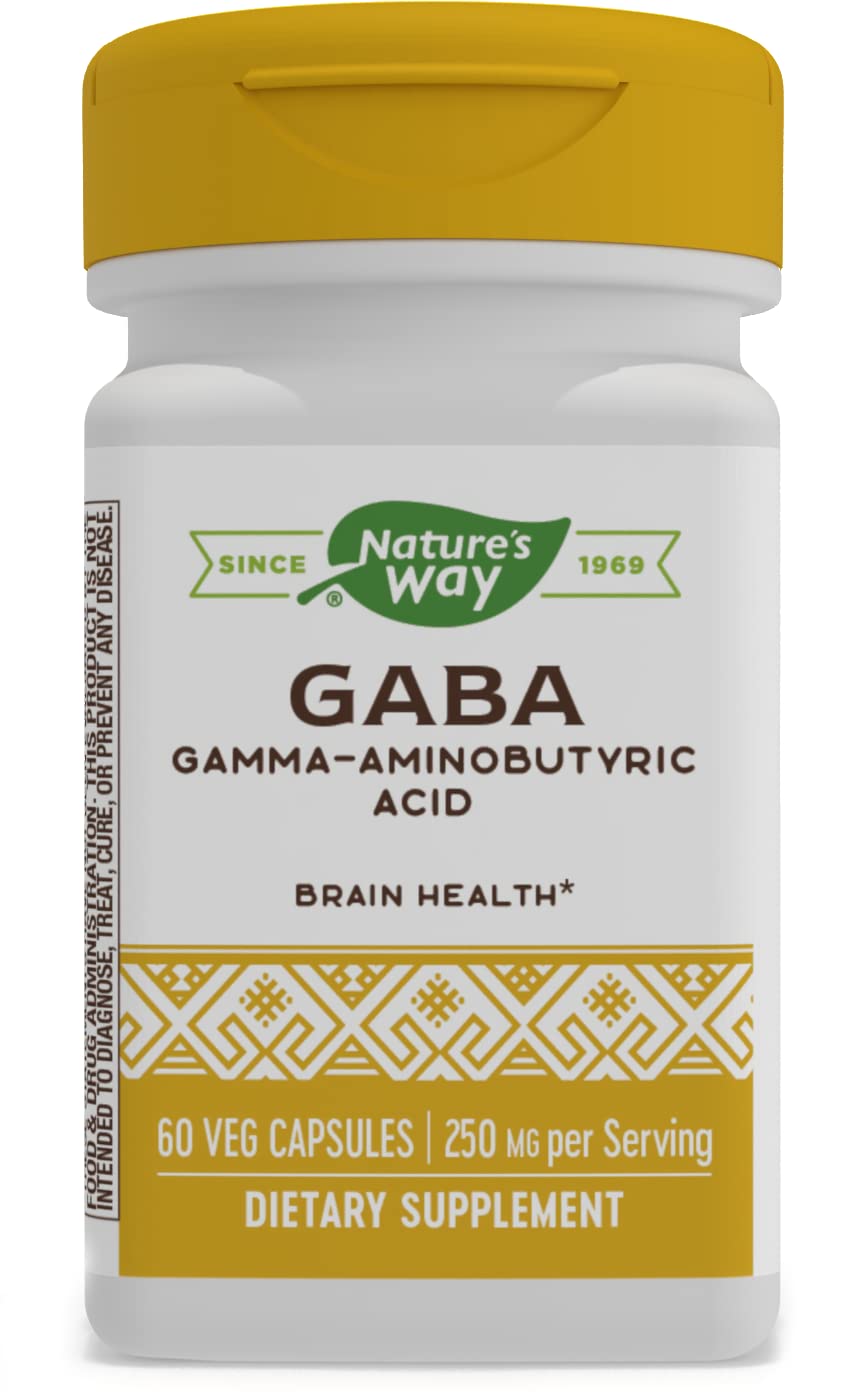
Whether this helps your sleep or stress levels depends on a question science hasn't fully answered: can oral **GABA** meaningfully cross the blood-brain barrier? At 500mg per capsule, you're getting well above the 100–300mg range used in the limited clinical studies, but the evidence for supplemental GABA reaching the brain is mixed.
The suggested use of one to two capsules daily puts you at 500–1,000mg. If GABA does produce effects through peripheral pathways or the gut-brain axis, the dose is generous. The capsule format makes it easy to start with one and adjust based on how you respond.
The main caveat is the evidence base itself. Clinical trials on oral GABA are sparse, and results vary considerably between individuals. If you try this for relaxation or sleep, give it a few weeks to evaluate — but know that the science behind it is still catching up to the marketing.
BioStacks
Other Ingredients (5)
Silicon DioxideAnti-caking
Fine silica powder used to prevent clumping
Magnesium StearateLubricant
A salt of stearic acid used as a lubricant in tablet and capsule production
Dicalcium PhosphateBinder
Calcium and phosphorus compound used as binder
Microcrystalline CelluloseBinder
Plant-derived cellulose used as a binder and filler in supplements
Microcrystalline CelluloseBinder
Plant-derived cellulose used as a binder and filler in supplements
How to Take It
Best taken in the evening
Used in the evening for relaxation.
With or without food
On the label
Suggested Use: As a dietary supplement for adults, take one (1) vegetable capsule up to two times daily, between meals, or as directed by a healthcare practitioner.
General guidance based on the ingredients, not a substitute for the label or your doctor.
Price Check
$18.74
Near the median of 48 GABA supplements
Track this supplement in your stack
Get personalized insights, interactions, and coverage recommendations.
Get Started FreeSimilar Supplements
Sources & Scoring
Nutrient data (RDA, UL, and safety thresholds) sourced from the NIH Office of Dietary Supplements and the National Academies Dietary Reference Intakes (DRI).
This is not medical advice. Consult a healthcare provider before making changes to your supplement routine.
The score analyzes what's on the label: ingredient doses vs. studied ranges, chemical forms, evidence levels, and known interactions. It does not verify label accuracy or test for contaminants — for that, look for third-party certifications like USP or NSF.