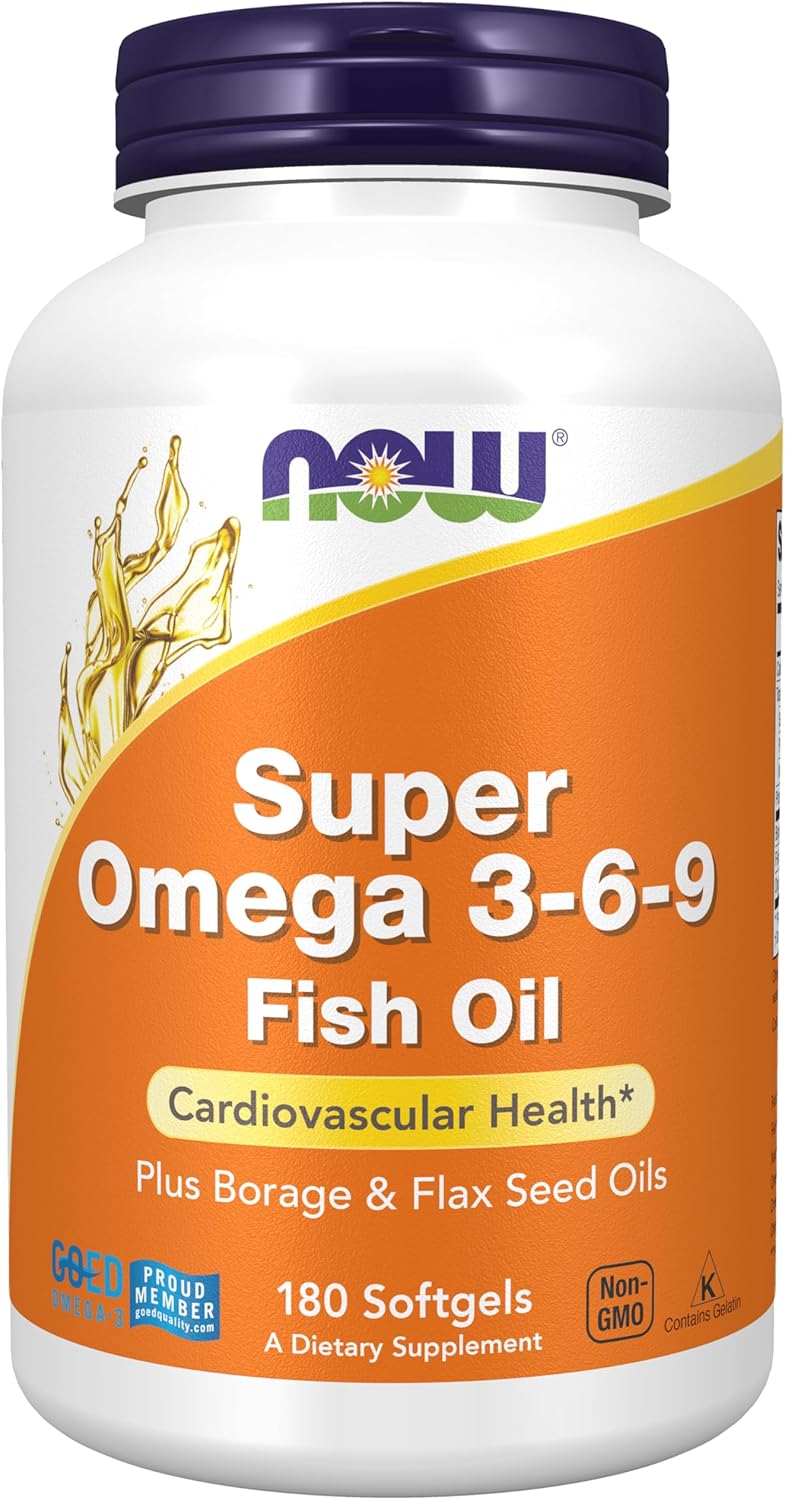
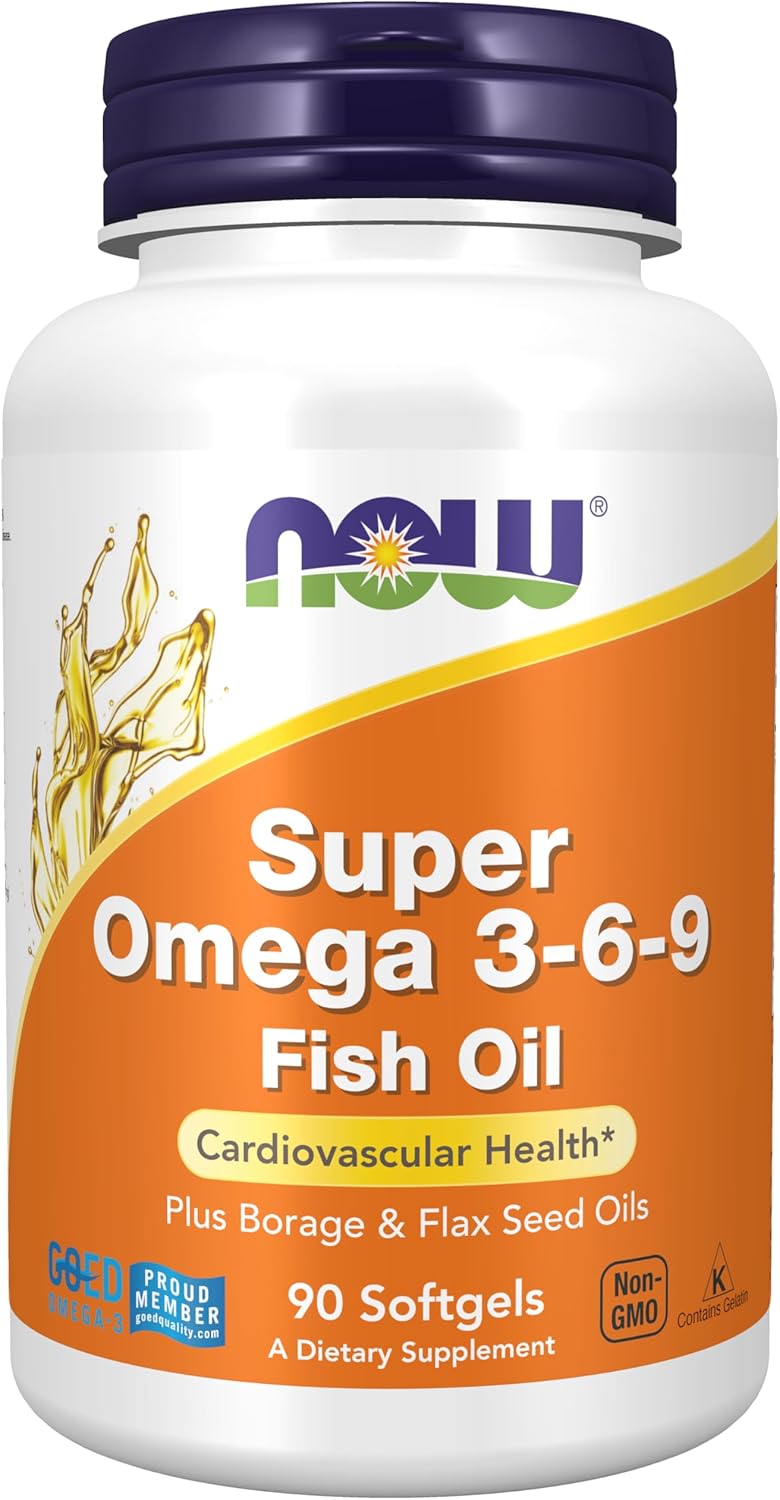
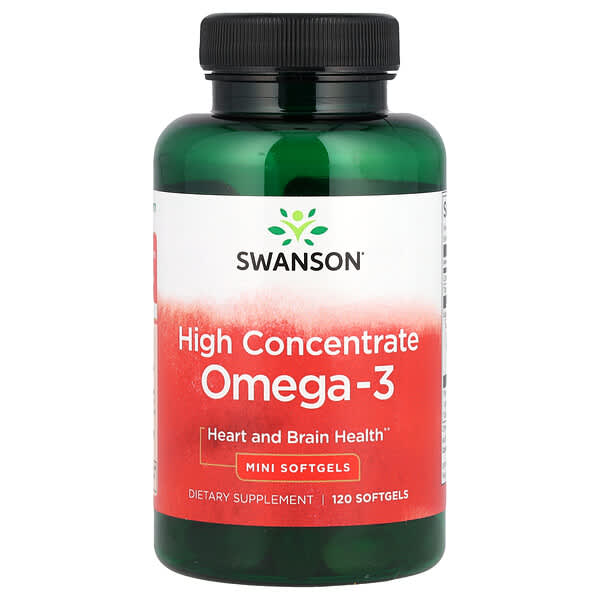
This blend splits its 3,900mg serving across three oils — **Fish Oil** (1,300mg), **Flaxseed Oil** (1,300mg), and **Borage Oil** (1,300mg) — but the label doesn't disclose EPA or DHA amounts. That's a problem, because EPA and DHA are the omega-3s with the strongest clinical backing for heart, brain, and mood support. Standard fish oil at 1,300mg typically yields around 390mg of combined EPA+DHA, well below the 1,000–3,000mg range used in clinical research.
The **Flaxseed Oil** provides ALA, a plant-based omega-3 your body converts to EPA and DHA at only about 5–10% efficiency — so 1,300mg of flaxseed oil contributes very little usable omega-3. **Borage Oil** supplies GLA, an omega-6 fatty acid with limited clinical evidence for most health goals. Most people already get plenty of omega-6 from their diet, so the added value here is minimal.
The biggest gap is transparency. Without knowing exactly how much EPA and DHA you're getting per serving, it's difficult to dose this product for any specific health goal. If your focus is heart or brain support, you'd likely need a concentrated fish oil that specifies its EPA+DHA content.
BioStacks
Nutrition
Calories, macros & sodium.
- Calories40 Calorie(s)
- Total Fat4 Gram(s)
- Saturated Fat0.5 Gram(s)
- Polyunsaturated Fat1 Gram(s)
- Monounsaturated Fat2.5 Gram(s)
- Cholesterol15 mg
Other Ingredients (3)
GelatinCapsule
Protein derived from collagen, used in traditional capsule shells
Mixed TocopherolsAntioxidant
Natural vitamin E used as preservative
GlycerinHumectant
Sweet-tasting liquid used in soft capsules and liquids
How to Take It
Take it anytime
Timing doesn't matter for this one — taking it consistently does.
With or without food
On the label
Suggested Use: As a dietary supplement for adults, take three (3) softgels daily, preferably with a meal, or as directed by a healthcare practitioner.
General guidance based on the ingredients, not a substitute for the label or your doctor.
Price Check
$17.02
Cheaper than 80% of 382 omega-3 supplements
Track this supplement in your stack
Get personalized insights, interactions, and coverage recommendations.
Get Started FreeSimilar Supplements
Sources & Scoring
Nutrient data (RDA, UL, and safety thresholds) sourced from the NIH Office of Dietary Supplements and the National Academies Dietary Reference Intakes (DRI).
This is not medical advice. Consult a healthcare provider before making changes to your supplement routine.
The score analyzes what's on the label: ingredient doses vs. studied ranges, chemical forms, evidence levels, and known interactions. It does not verify label accuracy or test for contaminants — for that, look for third-party certifications like USP or NSF.