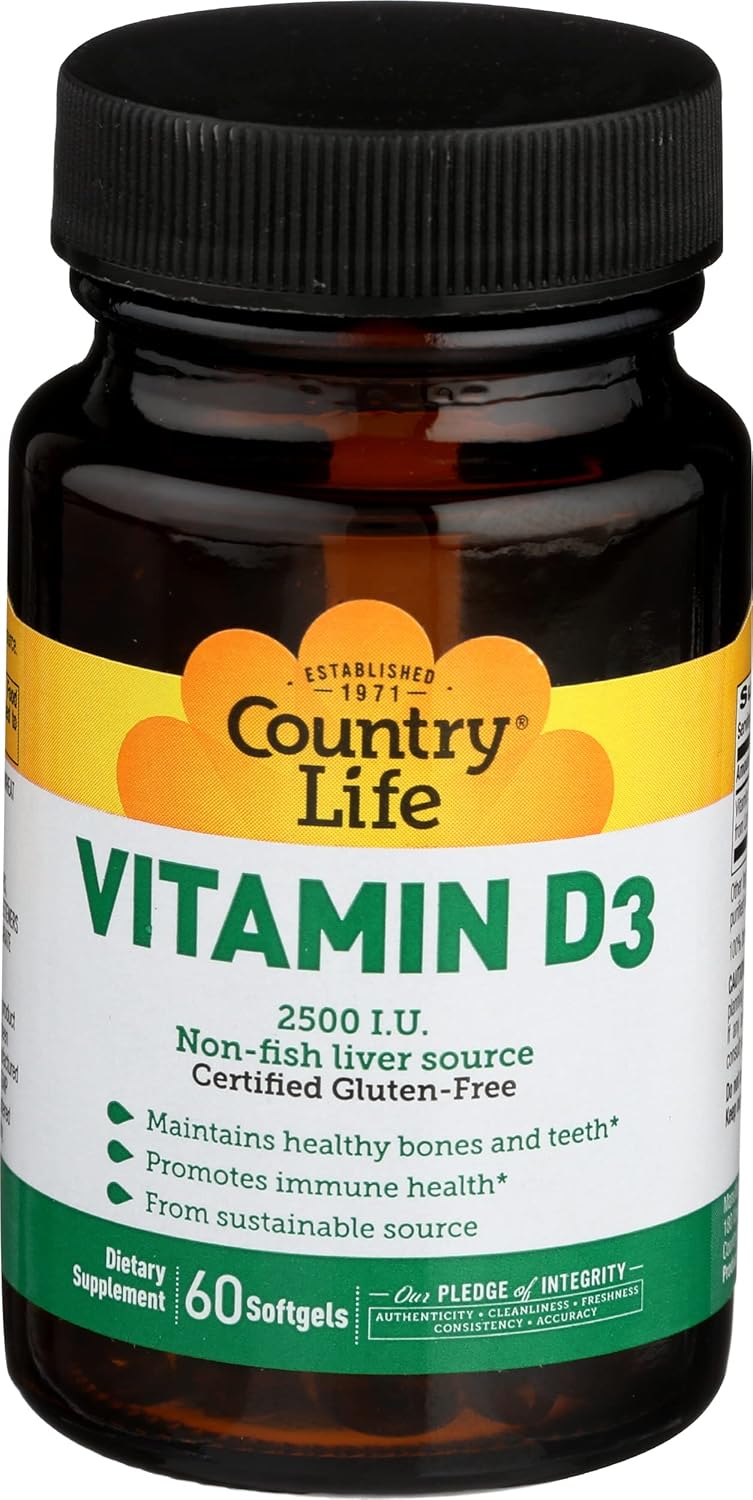
**Vitamin D3** at 5,000 IU per capsule — right at the top of the clinically studied range (1,000–5,000 IU/day) for maintaining healthy blood levels and supporting bone density, immune function, and mood. The form is cholecalciferol (D3), which raises and sustains blood levels far more effectively than D2, and your body can absorb it directly without conversion.
This dose is especially relevant if you live in a northern climate, spend limited time outdoors, or have darker skin — all common risk factors for deficiency. Since vitamin D is fat-soluble, taking it with a meal that contains fat will meaningfully improve how much you absorb.
One thing to know: 5,000 IU sits above the official tolerable upper limit of 4,000 IU/day, though clinical consensus widely supports this dose for adults correcting or preventing deficiency. If you're taking it long-term, periodic blood testing (25-hydroxyvitamin D) is worth considering to confirm you're in the optimal range rather than overshooting.
BioStacks
Other Ingredients (3)
Magnesium StearateLubricant
A salt of stearic acid used as a lubricant in tablet and capsule production
Microcrystalline CelluloseBinder
Plant-derived cellulose used as a binder and filler in supplements
Microcrystalline CelluloseBinder
Plant-derived cellulose used as a binder and filler in supplements
How to Take It
Take it anytime
Fat-soluble — take with your largest fat-containing meal. Time of day doesn't matter.
With a meal containing fat
On the label
As a dietary supplement for adults, take one (1) vegetable capsule daily, preferably with a meal or as directed by a healthcare practitioner.
General guidance based on the ingredients, not a substitute for the label or your doctor.
Price Check
$16.22
Near the median of 552 vitamin D supplements
Track this supplement in your stack
Get personalized insights, interactions, and coverage recommendations.
Get Started FreeSimilar Supplements
Sources & Scoring
Nutrient data (RDA, UL, and safety thresholds) sourced from the NIH Office of Dietary Supplements and the National Academies Dietary Reference Intakes (DRI).
This is not medical advice. Consult a healthcare provider before making changes to your supplement routine.
The score analyzes what's on the label: ingredient doses vs. studied ranges, chemical forms, evidence levels, and known interactions. It does not verify label accuracy or test for contaminants — for that, look for third-party certifications like USP or NSF.