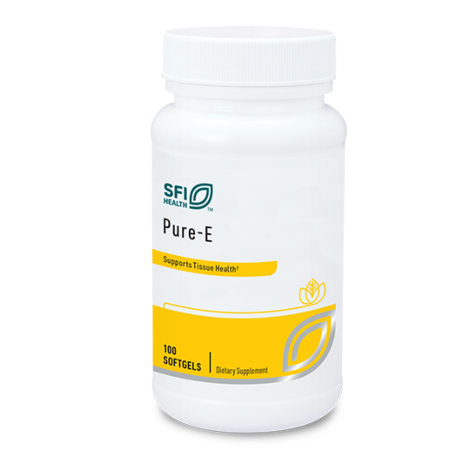
At 268 mg (400 IU), you're getting **Vitamin E** right at the top of the clinically studied range, in the natural d-alpha-tocopherol form that your body absorbs twice as effectively as the synthetic version. This is a full therapeutic dose for antioxidant and skin-health support.
You're also getting 26.75 mg of **Mixed Tocopherols** — gamma, delta, and beta forms that work alongside alpha-tocopherol. Research suggests full-spectrum vitamin E provides broader antioxidant coverage than alpha-tocopherol alone, so this is a meaningful addition.
One thing to be aware of: 400 IU is a high daily dose of vitamin E, and some long-term studies have raised questions about sustained intake above 400 IU. If you're also eating fortified foods, it's worth checking your total vitamin E intake stays within safe limits.
BioStacks
Other Ingredients (3)
GelatinCapsule
Protein derived from collagen, used in traditional capsule shells
Safflower Seed OilCarrier
Light, neutral oil from safflower seeds used as a carrier in softgels for fat-soluble nutrients
GlycerinHumectant
Sweet-tasting liquid used in soft capsules and liquids
How to Take It
Take it anytime
Fat-soluble — take with a meal containing fat for better absorption. Time of day doesn't matter.
With a meal containing fat
On the label
As a dietary supplement for adults, take one (1) softgel daily, preferably with a meal or as directed by a healthcare practitioner.
General guidance based on the ingredients, not a substitute for the label or your doctor.
Price Check
$4.88
Cheaper than 99% of 146 vitamin E supplements
Track this supplement in your stack
Get personalized insights, interactions, and coverage recommendations.
Get Started FreeSimilar Supplements
Sources & Scoring
Nutrient data (RDA, UL, and safety thresholds) sourced from the NIH Office of Dietary Supplements and the National Academies Dietary Reference Intakes (DRI).
This is not medical advice. Consult a healthcare provider before making changes to your supplement routine.
The score analyzes what's on the label: ingredient doses vs. studied ranges, chemical forms, evidence levels, and known interactions. It does not verify label accuracy or test for contaminants — for that, look for third-party certifications like USP or NSF.