This is a vitamins-only multivitamin that hits clinical ranges for several B vitamins — you're getting 50 mg each of **Thiamine**, **Riboflavin**, **Niacin**, and **B6**, all solidly within the 25–100 mg range used in research. **Vitamin E** at 100 mg and **Vitamin A** at 1,531 mcg are also well-dosed. For general B-vitamin and antioxidant coverage in a single capsule, the core formulation delivers.
**Vitamin C** at 250 mg sits right at the minimum clinical threshold, which is adequate but not generous. The B-vitamin forms are mostly budget-tier — folic acid rather than methylfolate, pyridoxine rather than P5P — so your body has to do extra conversion work, which matters if you have common gene variants that slow that process.
The biggest gaps are **Vitamin D** at just 400 IU (clinical range starts at 1,000 IU) and **B12** at 50 mcg (clinical range starts at 250 mcg). Both are meaningfully underdosed, and since these are two of the most common deficiencies in adults, you'd likely want to supplement them separately.
BioStacks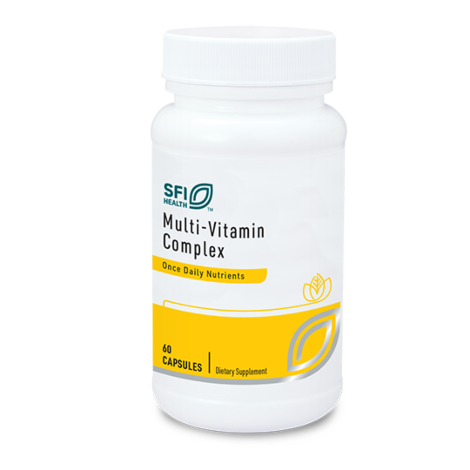
Best for
Ingredients (15)
Vitamin E
100%Dose
100 mg
Target
50–268 mg
Form
Premium
Vitamin B6
100%Dose
50 mg
Target
25–100 mg
Form
Premium
Niacin
100%Dose
50 mg
Target
25–500 mg
Form
Standard
Biotin
5%Dose
50 mcg
Target
1000–5000 mcg
Form
—
Riboflavin
100%Dose
50 mg
Target
25–100 mg
Form
Budget
Other Ingredients (3)
Silicon DioxideAnti-caking
Fine silica powder used to prevent clumping
Magnesium StearateLubricant
A salt of stearic acid used as a lubricant in tablet and capsule production
Microcrystalline CelluloseBinder
Plant-derived cellulose used as a binder and filler in supplements
How to Take It
Take it anytime
No evidence a formula this broad works better at any particular hour. Take it with a meal containing fat — the vitamins A, D and E in it absorb poorly without one.
With a meal containing fat
On the label
Suggested use: As a dietary supplement for adults, take one (1) vegetable capsule daily, preferably with a meal or as directed by a healthcare practitioner.
General guidance based on the ingredients, not a substitute for the label or your doctor.
Price Check
$19.92
Cheaper than 65% of 798 multivitamins
Track this supplement in your stack
Get personalized insights, interactions, and coverage recommendations.
Get Started FreeSimilar Supplements
SFI Health
LDA Multi-Vitamin
💊 for General Health
59
SFI Health
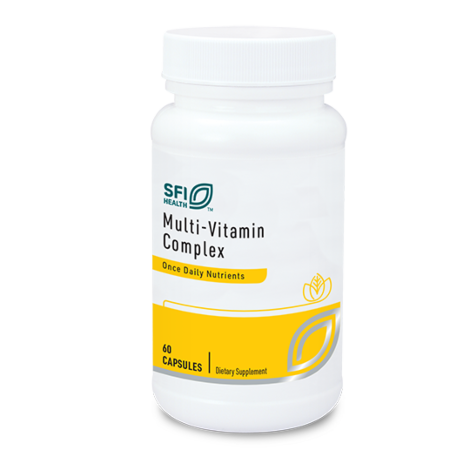
Multi-Vitamin Complex
🤰 for Pregnancy
65
Nature's Answer
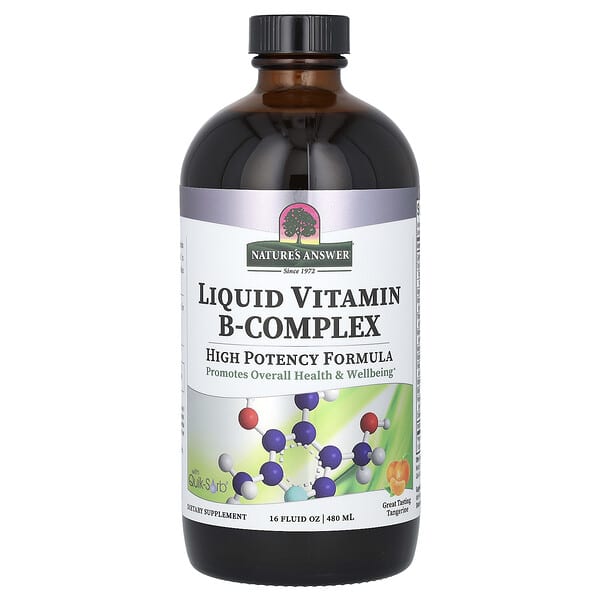
Liquid Vitamin B-Complex, Great Tasting Tangerine, 16 fl oz (480 ml)
⚡ for Energy
57
Nature's Answer
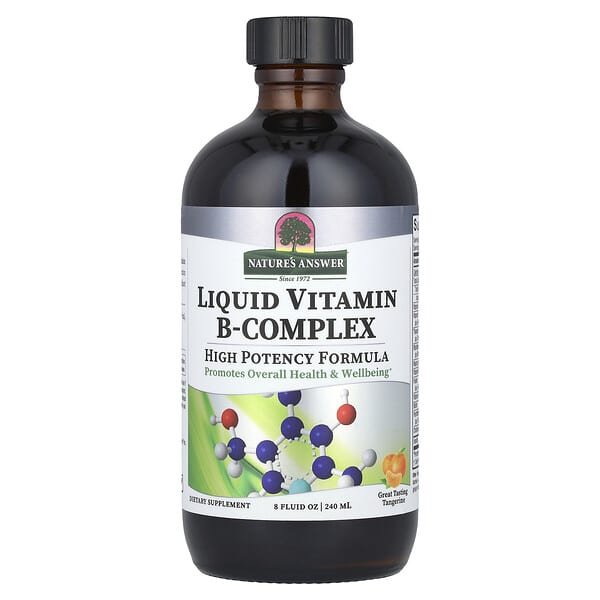
Liquid Vitamin B-Complex, Tangerine , 8 fl oz (240 ml)
⚡ for Energy
57
Nature's Way
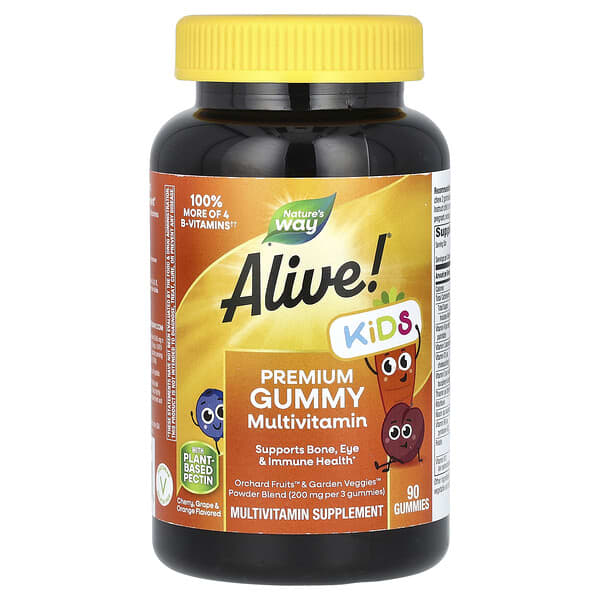
Alive! Kids, Premium Gummy Multivitamin, Cherry, Grape & Orange, 90 Gummies
🛡️ for Immune
33
Sources & Scoring
Nutrient data (RDA, UL, and safety thresholds) sourced from the NIH Office of Dietary Supplements and the National Academies Dietary Reference Intakes (DRI).
This is not medical advice. Consult a healthcare provider before making changes to your supplement routine.
The score analyzes what's on the label: ingredient doses vs. studied ranges, chemical forms, evidence levels, and known interactions. It does not verify label accuracy or test for contaminants — for that, look for third-party certifications like USP or NSF.