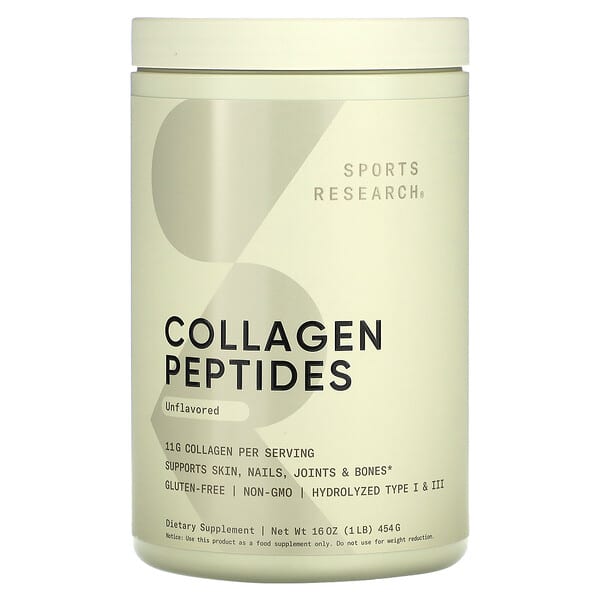
You're getting 11g of hydrolyzed **Bovine Collagen Peptides** per scoop — right in the middle of the 5–15g clinical range used in skin and joint studies. At one scoop daily, you're well above the 2.5g threshold where skin elasticity benefits start showing up in research, and close to the 10–15g range studied for joint support. The label suggests 1–2 scoops per day, so doubling up puts you at 22g if you're targeting joints or recovery.
The amino acid profile is what you'd expect from a quality bovine collagen — high in **Glycine** (2,400mg) and **Proline** (1,330mg), the two amino acids your body uses most for collagen synthesis. The powder format makes it easy to hit higher doses without pill burden, and the vanilla flavoring uses monk fruit instead of sugar or artificial sweeteners.
One thing to keep in mind: collagen absorption depends on **Vitamin C**, which isn't included here. You'll want to make sure you're getting vitamin C from your diet or a separate supplement to get the full benefit from this product.
BioStacks
Best for
Ingredients (1)
Bovine Collagen Peptides, Hydrolyzed
100%Dose
11 Gram(s)
Target
5–20 g
Form
Standard
Nutrition
Calories, macros & sodium.
- Calories40 Calorie(s)
- Sodium40 mg
- Protein10 Gram(s)
Other Ingredients (2)
Fruit Juice (unspecified)Colorant
Juice or juice concentrate used primarily for natural color and flavor in gummies
Natural FlavorsFlavor
Broad regulatory category of flavor constituents derived from natural sources. Composition is proprietary and not disclosed — 'Natural Flavors' can include several hundred different compounds depending on the target flavor profile, including hexane-extracted constituents and proprietary carrier solvents. 'Natural' is a regulatory definition (21 CFR §101.22), not a safety guarantee.
How to Take It
Take it anytime
Timing doesn't matter — daily consistency over weeks is what moves outcomes.
With or without food
On the label
Suggested use: Adults combine 1 scoop into your favorite beverage or meal 1-2 times daily and mix thoroughly, or as recommended by a qualified healthcare professional. Helpful tip: Collagen peptides may clump in cold liquids. To enjoy cold, simply mix into room temperature liquid first and then add ice. Great in coffee & shakes
General guidance based on the ingredients, not a substitute for the label or your doctor.
Price Check
$35.97
Near the median of 798 multivitamins
Track this supplement in your stack
Get personalized insights, interactions, and coverage recommendations.
Get Started FreeSimilar Supplements
Sources & Scoring
Nutrient data (RDA, UL, and safety thresholds) sourced from the NIH Office of Dietary Supplements and the National Academies Dietary Reference Intakes (DRI).
This is not medical advice. Consult a healthcare provider before making changes to your supplement routine.
The score analyzes what's on the label: ingredient doses vs. studied ranges, chemical forms, evidence levels, and known interactions. It does not verify label accuracy or test for contaminants — for that, look for third-party certifications like USP or NSF.