Each softgel packs 1,055mg of total **Omega-3 Fatty Acids** — right at the clinical minimum for heart and brain support from a single capsule. The EPA-heavy split (690mg **EPA**, 310mg **DHA**) tilts this toward cardiovascular and anti-inflammatory benefits, since EPA drives most of the triglyceride-lowering and mood research. If your primary goal is brain or eye health, where DHA is the lead actor, you'd want to take two softgels to push DHA closer to the 500–1,000mg range used in cognitive studies.
The omega-3s are in triglyceride form, which your body absorbs significantly better than the ethyl ester form common in concentrated fish oils. At 180 softgels per bottle, you're getting a six-month supply at one capsule daily — strong value if the base dose covers your goals.
For mood support or reducing inflammation, clinical research typically uses 2,000–3,000mg of combined EPA+DHA daily. One softgel gets you about halfway there, so you'd need two to three capsules to reach those higher studied doses.
BioStacks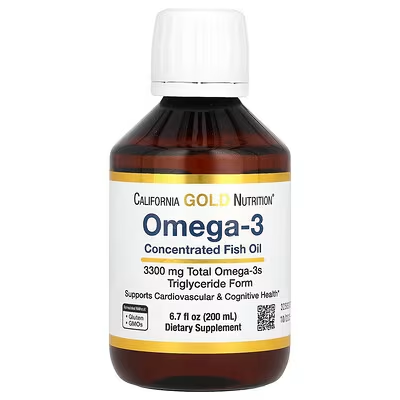
Ingredients (2)
EPA
100%Dose
690 mg
Target
500–2000 mg
Form
—
DHA
100%Dose
310 mg
Target
250–1000 mg
Form
—
Other Ingredients (2)
SoftgelCapsule
One-piece gelatin capsule shell with a plasticizer (typically glycerin), used to encapsulate liquid or oil-based supplements
Mixed TocopherolsAntioxidant
Natural vitamin E used as preservative
How to Take It
Take it anytime
Take with a meal — absorption improves with dietary fat and it prevents fishy burps.
With food
General guidance based on the ingredients, not a substitute for the label or your doctor.
Price Check
$54.97
Pricier than 92% of 382 omega-3 supplements
Track this supplement in your stack
Get personalized insights, interactions, and coverage recommendations.
Get Started FreeSimilar Supplements
Momentous
Omega-3
❤️ for Heart
100
California Gold Nutrition
Norwegian Extra Strength Omega 3 Fish Oil, Natural Lemon, 6.7 fl oz (200 ml)
❤️ for Heart
99
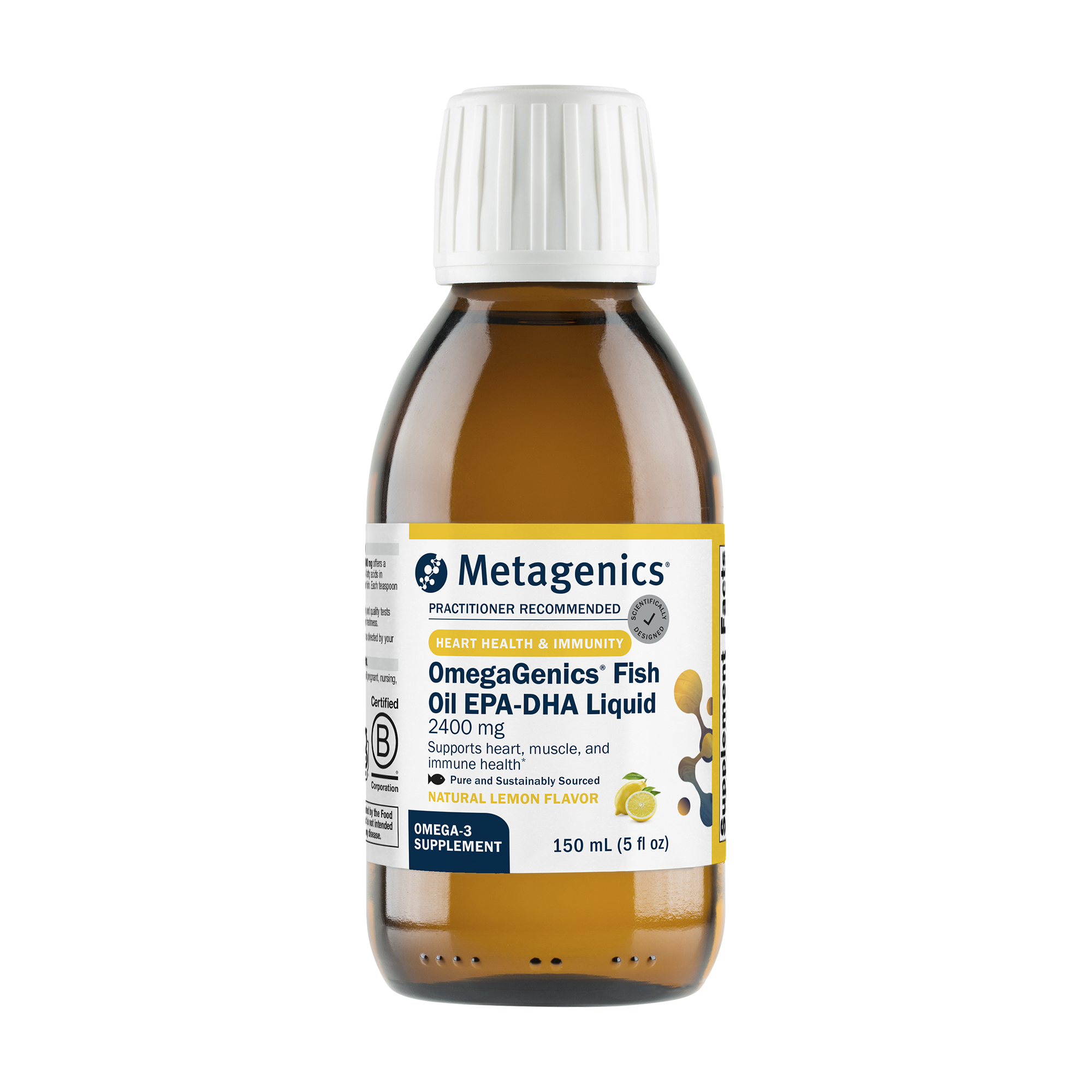
Metagenics
OmegaGenics Fish Oil EPA-DHA 2400 mg (Lemon)
❤️ for Heart
99
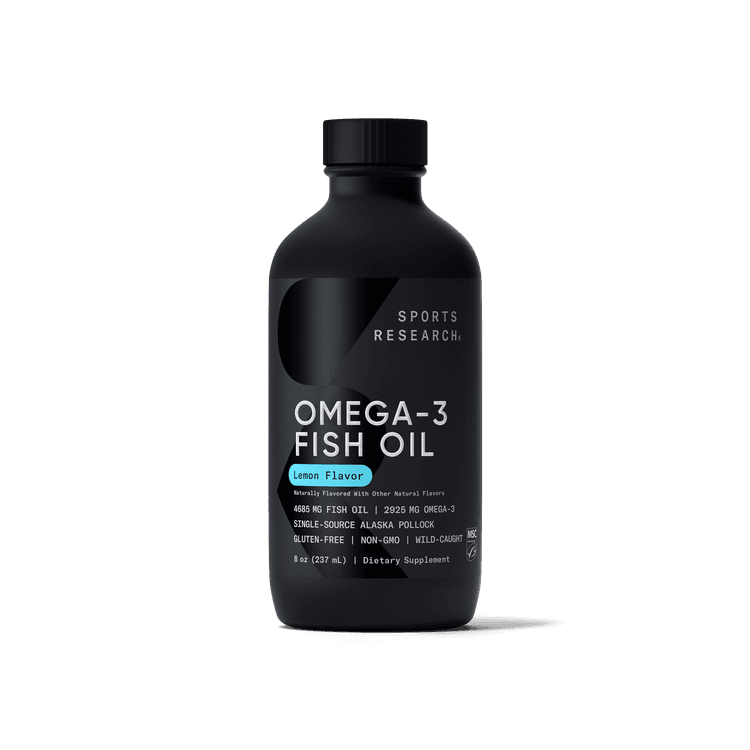
Sports Research
Omega-3 Fish Oil Liquid (Lemon Flavor)
❤️ for Heart
99
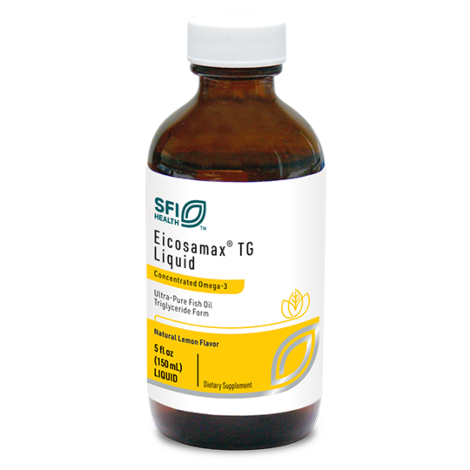
SFI Health
Eicosamax TG Liquid Natural Lemon Flavor
❤️ for Heart
98
Sources & Scoring
Nutrient data (RDA, UL, and safety thresholds) sourced from the NIH Office of Dietary Supplements and the National Academies Dietary Reference Intakes (DRI).
This is not medical advice. Consult a healthcare provider before making changes to your supplement routine.
The score analyzes what's on the label: ingredient doses vs. studied ranges, chemical forms, evidence levels, and known interactions. It does not verify label accuracy or test for contaminants — for that, look for third-party certifications like USP or NSF.