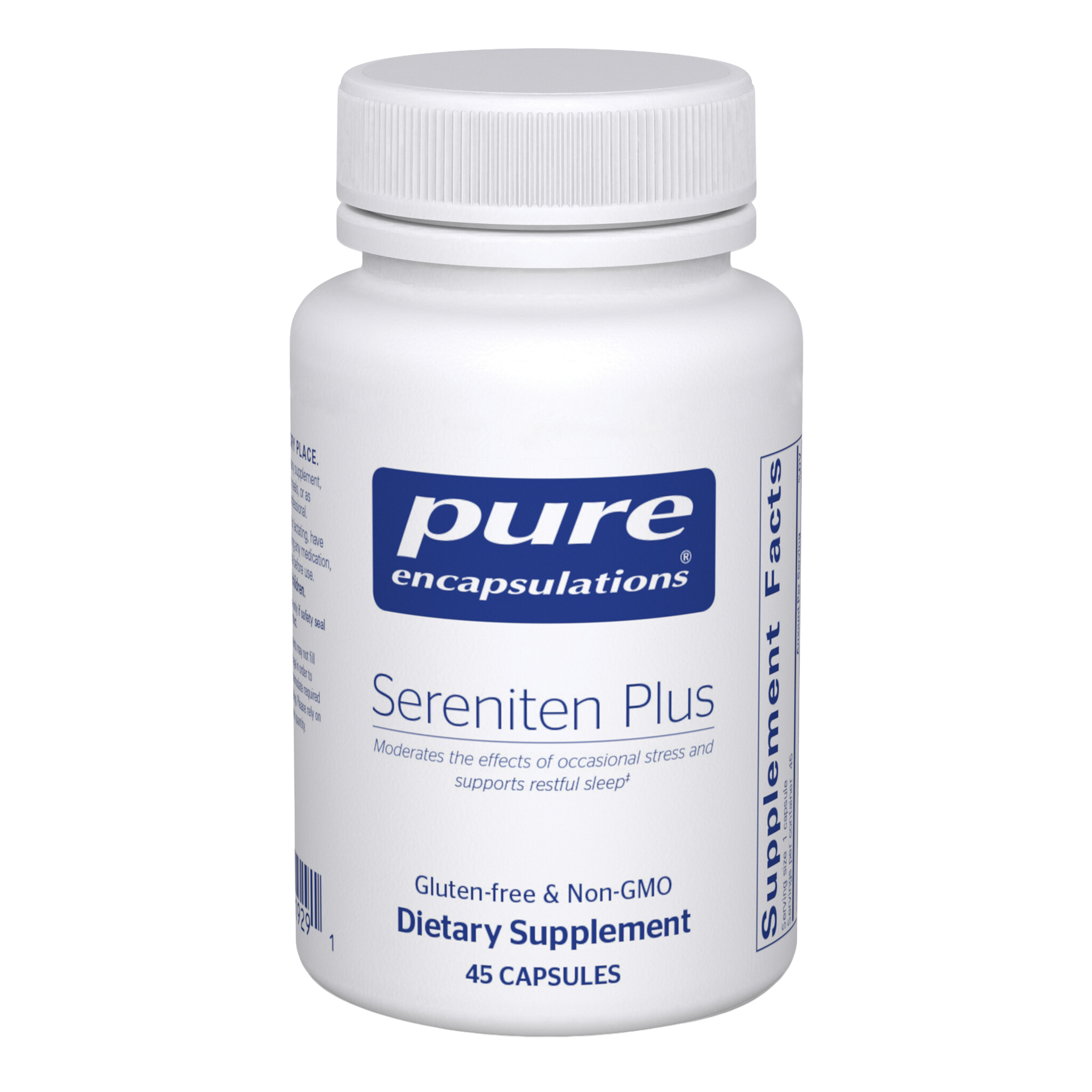
This delivers 167 mg of **Lactium** — a bioactive peptide derived from milk protein that binds GABA receptors to promote calm without the dependency risk of pharmaceutical options. At 167 mg, you're just above the 150 mg dose used in the key stress-reduction trial (63 women, 30 days), so one capsule daily puts you in the clinical range for stress support.
The evidence behind **Lactium** is early but directional — two small double-blind RCTs showed benefits for stress symptoms and sleep efficiency. A higher dose of 300 mg was used in the sleep study, so if your primary goal is sleep rather than daytime stress, you may want to double up to two capsules.
The main caveat is the thin research base. Both studies were small and funded by the ingredient manufacturer (Ingredia), and no meta-analysis exists yet. You're getting a clinically relevant dose, but the overall evidence level is limited — this is a reasonable option if you're exploring non-stimulant stress support, not a well-proven solution.
BioStacks
Other Ingredients (2)
GelatinCapsule
Protein derived from collagen, used in traditional capsule shells
May contain one or more of the following (header)
Not reviewed yet
How to Take It
Take it anytime
Timing doesn't matter for this one — taking it consistently does.
With or without food
On the label
Suggested use: As a dietary supplement, take one capsule per day in the morning with a meal.
General guidance based on the ingredients, not a substitute for the label or your doctor.
Track this supplement in your stack
Get personalized insights, interactions, and coverage recommendations.
Get Started FreeSimilar Supplements
Sources & Scoring
Nutrient data (RDA, UL, and safety thresholds) sourced from the NIH Office of Dietary Supplements and the National Academies Dietary Reference Intakes (DRI).
This is not medical advice. Consult a healthcare provider before making changes to your supplement routine.
The score analyzes what's on the label: ingredient doses vs. studied ranges, chemical forms, evidence levels, and known interactions. It does not verify label accuracy or test for contaminants — for that, look for third-party certifications like USP or NSF.