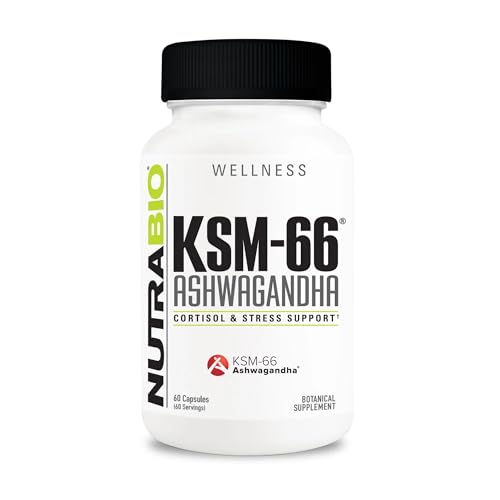
You're getting 900mg of **Ashwagandha** root per serving — a generous dose by weight, but this is whole root powder, not a standardized extract. The clinical trials behind ashwagandha's stress and cortisol benefits used concentrated extracts standardized to withanolides, typically at 300–600mg. Raw root powder contains far less of the active compounds, so 900mg of powder isn't equivalent to 900mg of extract.
Ashwagandha has moderate clinical evidence for reducing perceived stress and supporting sleep quality, which aligns with this product's strongest use cases. At the two-capsule serving, you're getting a traditional-level dose that may offer some adaptogenic support — but your results will likely depend on how your body responds to the unstandardized form.
The main gap is the lack of extract standardization. If you're specifically looking for the cortisol-lowering and anxiety-reducing effects studied in clinical trials, a product using a standardized extract would give you more predictable withanolide content per dose.
BioStacks
Other Ingredients (3)
Rice FlourFiller
Rice-based ingredients carry risk of inorganic arsenic contamination (FDA and Consumer Reports). Rice accumulates arsenic from soil at higher rates than other grains. Used as a cheap filler — adds nothing beneficial.
Magnesium StearateLubricant
A salt of stearic acid used as a lubricant in tablet and capsule production
GelatinCapsule
Protein derived from collagen, used in traditional capsule shells
How to Take It
Best taken in the evening
Often taken in the evening for sleep and cortisol; take with food to avoid stomach upset.
With food
On the label
Suggested use: As a dietary supplement, take two capsules one to two times per day with water.
General guidance based on the ingredients, not a substitute for the label or your doctor.
Price Check
$7.79
Cheaper than 97% of 146 ashwagandha supplements
Track this supplement in your stack
Get personalized insights, interactions, and coverage recommendations.
Get Started FreeSimilar Supplements
Sources & Scoring
Nutrient data (RDA, UL, and safety thresholds) sourced from the NIH Office of Dietary Supplements and the National Academies Dietary Reference Intakes (DRI).
This is not medical advice. Consult a healthcare provider before making changes to your supplement routine.
The score analyzes what's on the label: ingredient doses vs. studied ranges, chemical forms, evidence levels, and known interactions. It does not verify label accuracy or test for contaminants — for that, look for third-party certifications like USP or NSF.