If you're looking for natural digestive comfort — specifically occasional heartburn and reflux relief — **D-Limonene** is a terpene compound from citrus peel with limited but targeted clinical research. At 250mg per softgel, you're getting a dose that falls within the range used in the few available studies, though the evidence base is quite small compared to well-studied digestive supplements.
The formula is straightforward — just D-limonene from orange peel in an MCT oil base with a standard gelatin softgel. What this means for you: one capsule daily with food keeps it simple, and the oil-based delivery may help with absorption since D-limonene is fat-soluble.
The biggest limitation is the evidence itself. There are very few human clinical trials on D-limonene for any health outcome, and the existing studies are small and not well-replicated. If you're looking for well-researched digestive support, the clinical backing here is thin. This is more of an emerging ingredient than an established one.
BioStacks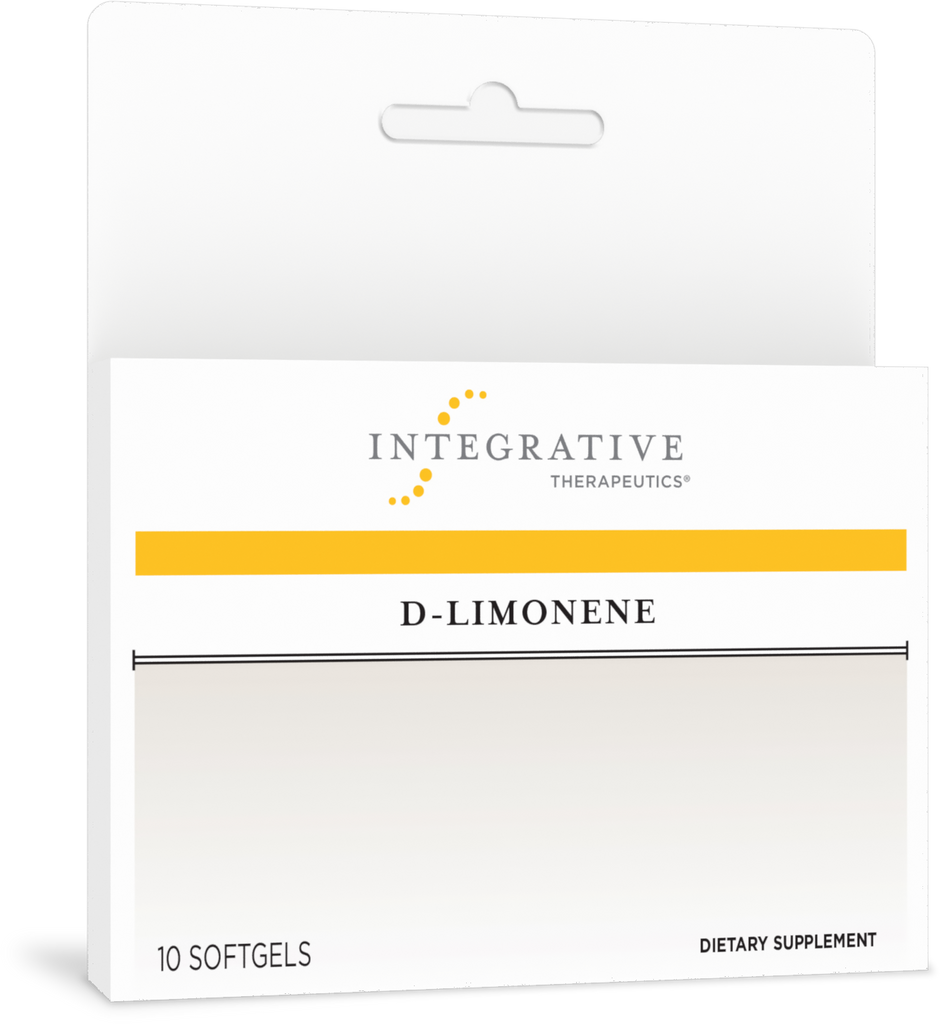
Other Ingredients (4)
Medium Chain Triglyceride OilCarrier
Fractionated oils rich in C8/C10 triglycerides used as neutral carrier or anti-sticking agent
GelatinCapsule
Protein derived from collagen, used in traditional capsule shells
GlycerinHumectant
Sweet-tasting liquid used in soft capsules and liquids
Purified WaterSolvent
Water meeting USP specifications used as solvent/vehicle in gummies and liquids
How to Take It
Take it anytime
Timing doesn't matter for this one — taking it consistently does.
With or without food
On the label
Suggested use: As a dietary supplement, take one softgel per day with food and water.
General guidance based on the ingredients, not a substitute for the label or your doctor.
Track this supplement in your stack
Get personalized insights, interactions, and coverage recommendations.
Get Started FreeSimilar Supplements
Integrative Therapeutics
D-Limonene
45
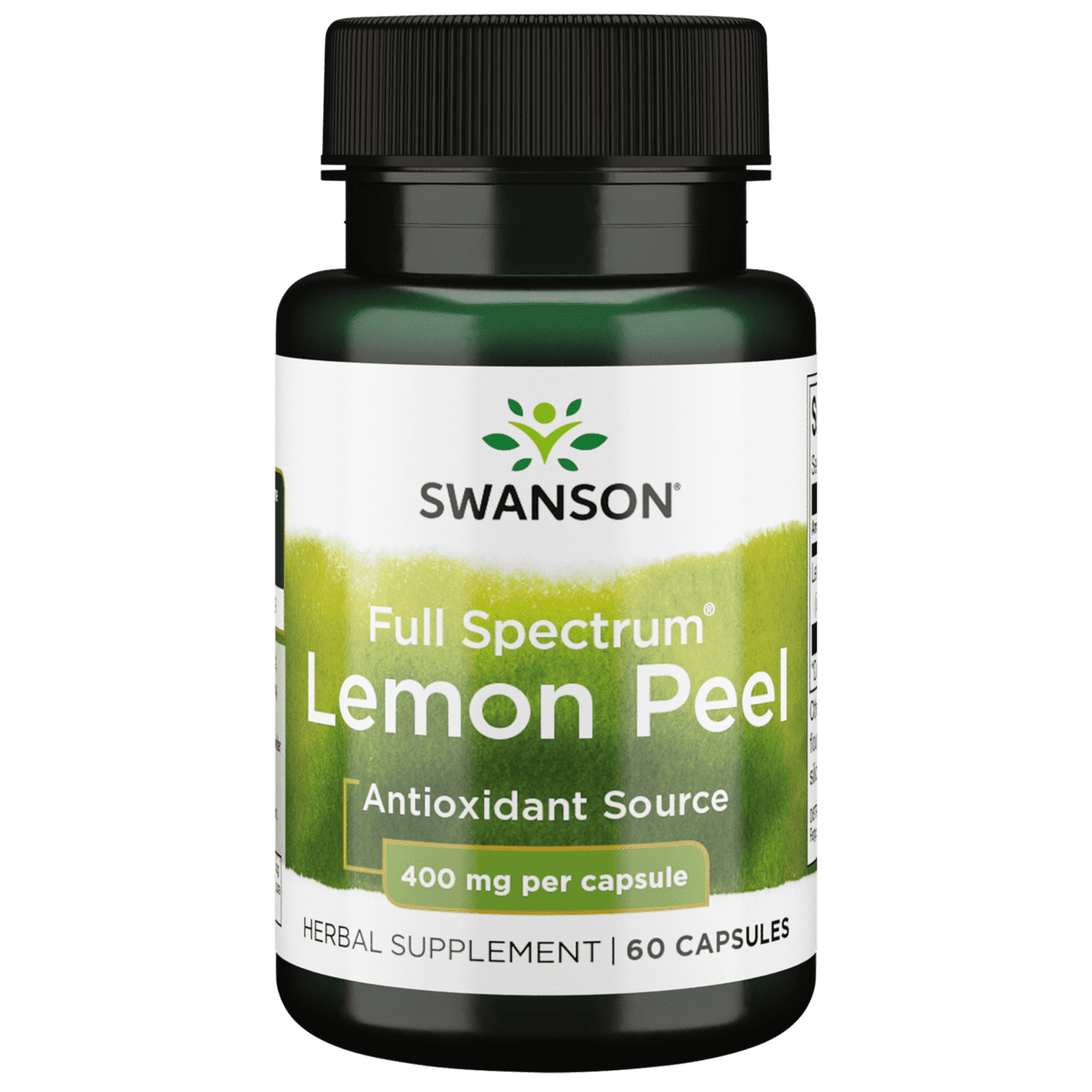
Swanson
Full Spectrum Lemon Peel, 400 mg, 60 Capsules
3
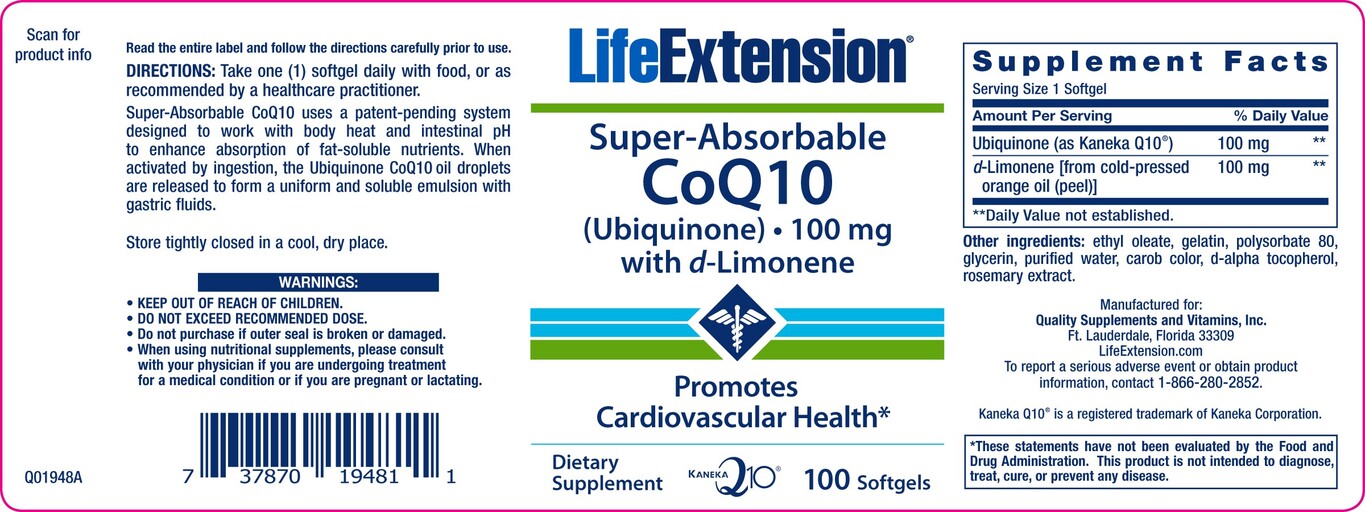
Life Extension
Super-Absorbable CoQ10 100 mg
🧬 for Longevity
46
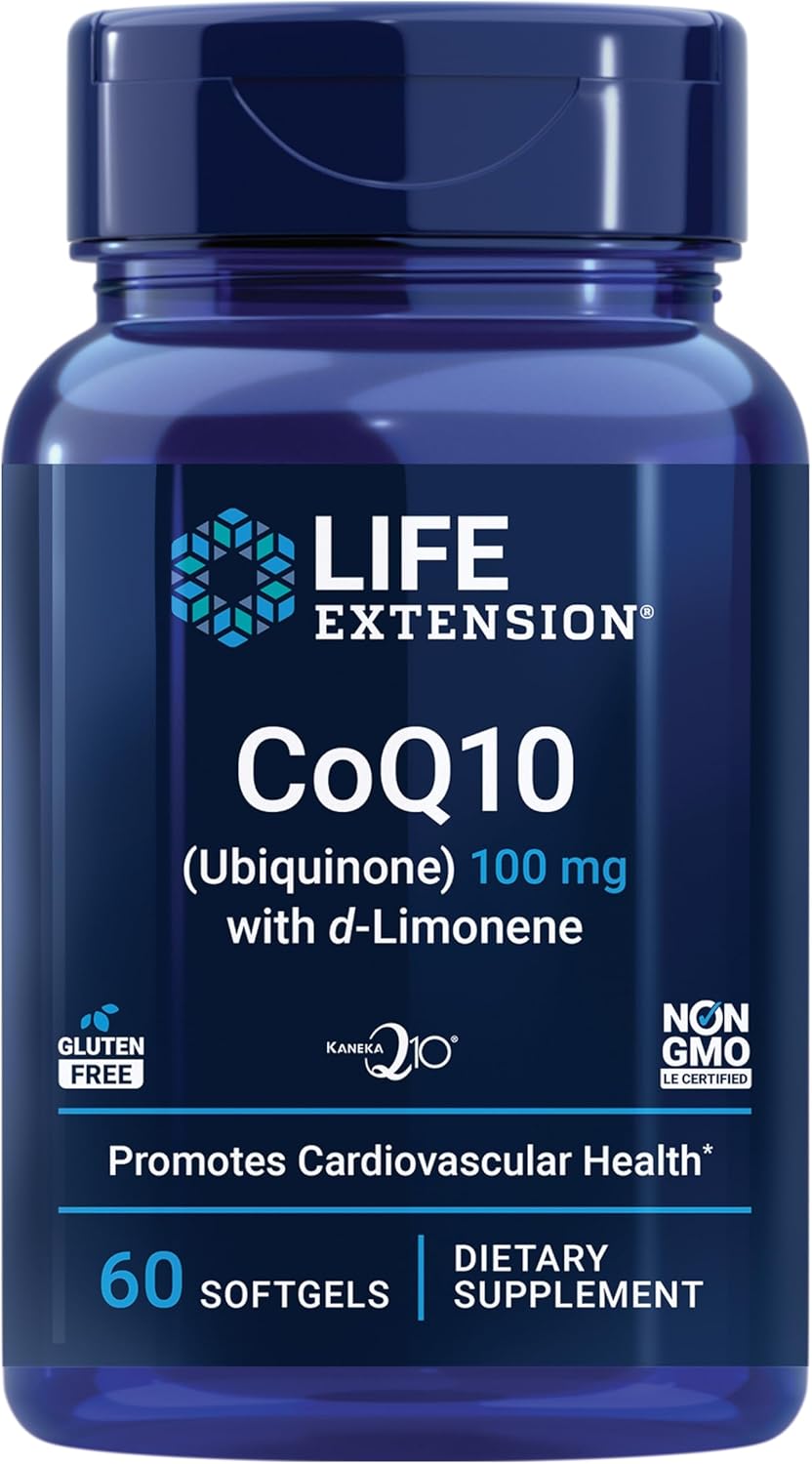
Life Extension
Super-Absorbable CoQ10 (Ubiquinone) 100 mg with D-Limonene
🧬 for Longevity
46
Life Extension
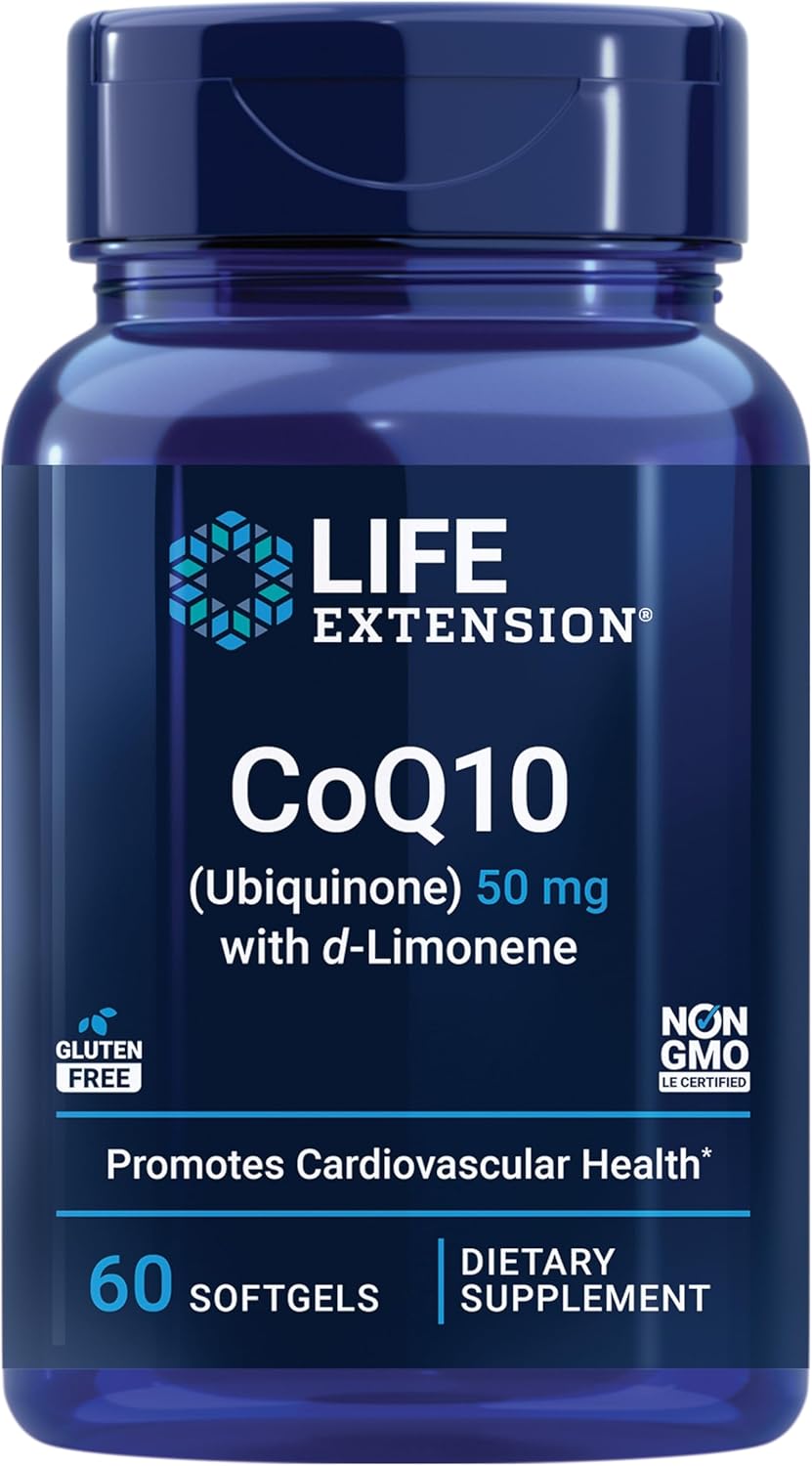
Super-Absorbable Co-Q10 (Ubiquinone) 50 mg with d-Limonene
🧬 for Longevity
11
Sources & Scoring
Nutrient data (RDA, UL, and safety thresholds) sourced from the NIH Office of Dietary Supplements and the National Academies Dietary Reference Intakes (DRI).
This is not medical advice. Consult a healthcare provider before making changes to your supplement routine.
The score analyzes what's on the label: ingredient doses vs. studied ranges, chemical forms, evidence levels, and known interactions. It does not verify label accuracy or test for contaminants — for that, look for third-party certifications like USP or NSF.