Sixteen bacterial species across roughly 3.3 billion CFU, with most strains contributing about 180 million CFU each. While the species diversity looks broad on the label, the total count falls toward the lower end of the 1–100 billion CFU range used in clinical research — many studied protocols use 10 billion or more for meaningful gut outcomes.
The bigger issue for you is that none of the 16 species list specific strain identifiers. Probiotic research is strain-specific — *L. rhamnosus GG* has very different evidence than generic *L. rhamnosus*. Without strain IDs, there's no way to connect what's in your capsule to what's been tested in trials.
**FOS** is included as a prebiotic at 50 mg, but clinical studies on prebiotic fiber use 5,000–10,000 mg. At this amount, the prebiotic contribution to your gut bacteria is negligible.
BioStacks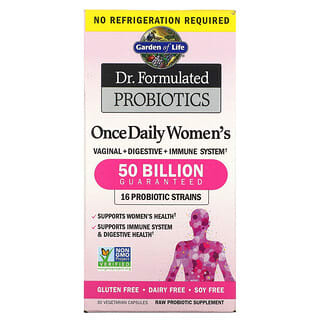
Every active here is dosed below the amount studied to work. See how each one compares in the breakdown below.
Best for
Ingredients (2)
Fructooligosaccharides
1%Dose
50 mg
Target
5000–10000 mg
Form
—
16-Strain Probiotic Blend
20 mgDoses not disclosed by manufacturer
Other Ingredients (7)
AlfalfaFiller
A nutrient-dense plant sometimes used as a base or filler in supplement formulations
Magnesium StearateLubricant
A salt of stearic acid used as a lubricant in tablet and capsule production
Silicon DioxideAnti-caking
Fine silica powder used to prevent clumping
HypromelloseCapsule
Plant-derived capsule material from cellulose
HypromelloseCapsule
Plant-derived capsule material from cellulose
Microcrystalline CelluloseBinder
Plant-derived cellulose used as a binder and filler in supplements
Trace MineralsBase
A blend of trace minerals (typically including selenium, chromium, manganese, molybdenum, etc.) used as a supporting base ingredient
How to Take It
Take it anytime
Timing doesn't matter for this one — taking it consistently does.
With or without food
On the label
Suggested use: As a dietary supplement, take one veggie EMBO Caps AP capsule per day with water or juice.
General guidance based on the ingredients, not a substitute for the label or your doctor.
Price Check
No price yet
What 28 prebiotic fiber supplements cost
Track this supplement in your stack
Get personalized insights, interactions, and coverage recommendations.
Get Started FreeSimilar Supplements
Garden of Life Dr. Formulated Probiotics
Once Daily Men's 50 Billion Guaranteed
🍏 for Digestion
63
Garden of Life Dr. Formulated Probiotics
Once Daily Women's
🍏 for Digestion
63
NaturesPlus GI Natural
Pro-Biotic Mega
🍏 for Digestion
63
Swanson
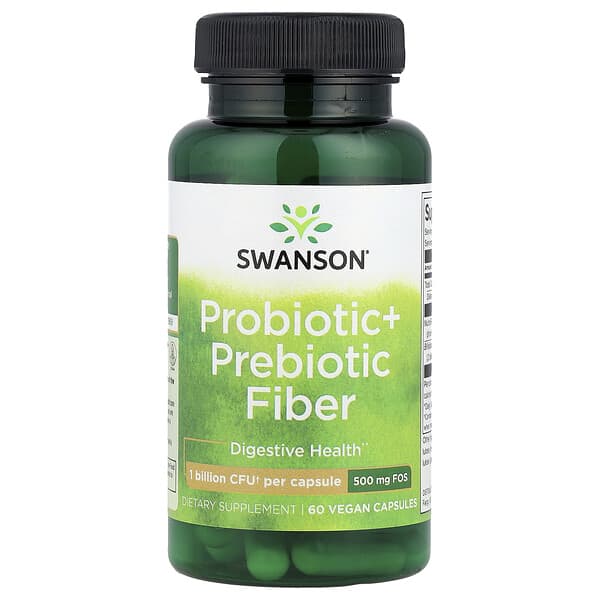
Probiotic + Prebiotic Fiber
🍏 for Digestion
59
Nature's Way
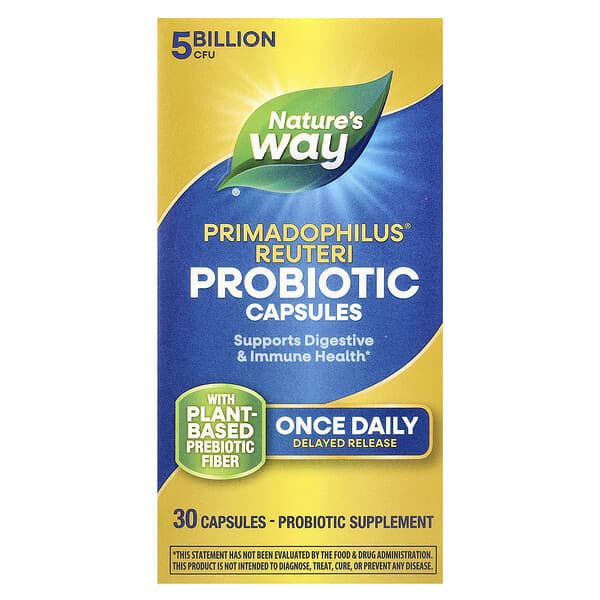
Primadophilus® Reuteri Probiotic, 5 Billion CFU
🍏 for Digestion
53
Sources & Scoring
Nutrient data (RDA, UL, and safety thresholds) sourced from the NIH Office of Dietary Supplements and the National Academies Dietary Reference Intakes (DRI).
This is not medical advice. Consult a healthcare provider before making changes to your supplement routine.
The score analyzes what's on the label: ingredient doses vs. studied ranges, chemical forms, evidence levels, and known interactions. It does not verify label accuracy or test for contaminants — for that, look for third-party certifications like USP or NSF.