This capsule delivers 400 mg of whole **lemon peel** (Citrus limon), a natural source of **d-limonene** — a monoterpene found in citrus rinds. D-limonene has been studied for occasional heartburn relief, but the clinical evidence is limited to two very small trials (13 and 19 participants), both funded by a patent holder. No large-scale human studies or meta-analyses exist to confirm those results.
The main issue for your results is dosage. Whole lemon peel contains roughly 5-10% d-limonene by weight, which means your 400 mg serving provides an estimated 20-40 mg of the active compound. Clinical studies on d-limonene used 500-1000 mg of the pure form — putting this product well below the range where any effect was observed. If your goal is digestive comfort through d-limonene, 400 mg of whole peel falls well short of what the limited research has tested.
Antioxidant and anti-inflammatory properties attributed to citrus peel compounds come from animal and lab studies that have not been validated in human trials. Your other ingredients — gelatin capsule shell, rice flour, magnesium stearate, and silica — are standard capsule components with no active role.
BioStacks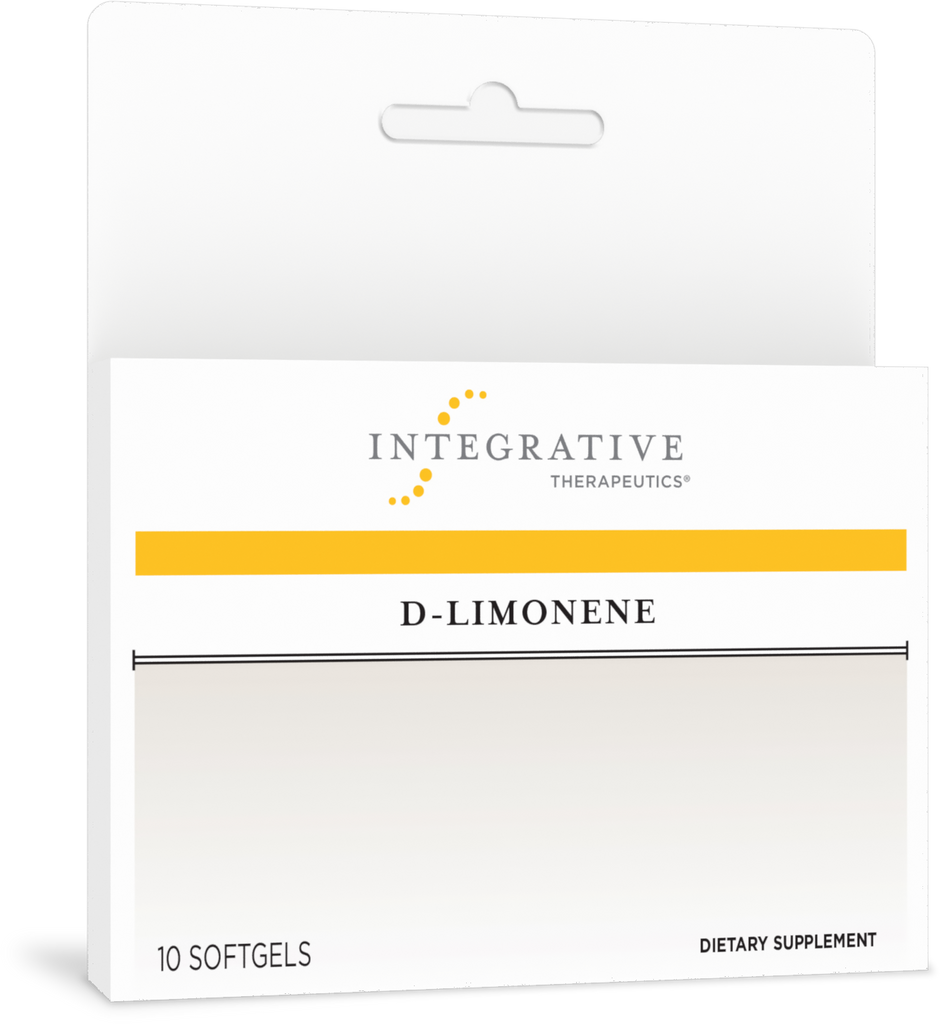
Other Ingredients (4)
Rice FlourFiller
Rice-based ingredients carry risk of inorganic arsenic contamination (FDA and Consumer Reports). Rice accumulates arsenic from soil at higher rates than other grains. Used as a cheap filler — adds nothing beneficial.
Magnesium StearateLubricant
A salt of stearic acid used as a lubricant in tablet and capsule production
Silicon DioxideAnti-caking
Fine silica powder used to prevent clumping
GelatinCapsule
Protein derived from collagen, used in traditional capsule shells
How to Take It
Take it anytime
Timing doesn't matter for this one — taking it consistently does.
With or without food
On the label
As a dietary supplement, take one capsule one to two times per day with water.
General guidance based on the ingredients, not a substitute for the label or your doctor.
Track this supplement in your stack
Get personalized insights, interactions, and coverage recommendations.
Get Started FreeSimilar Supplements
Integrative Therapeutics
D-Limonene
45
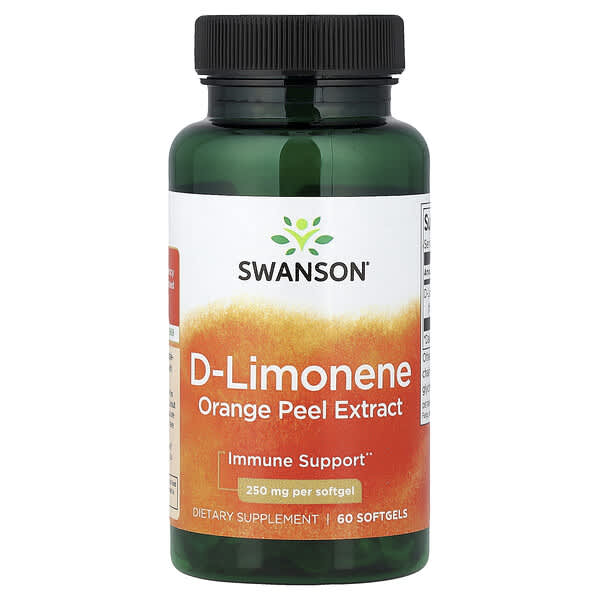
Swanson
D-Limonene 250 mg
10
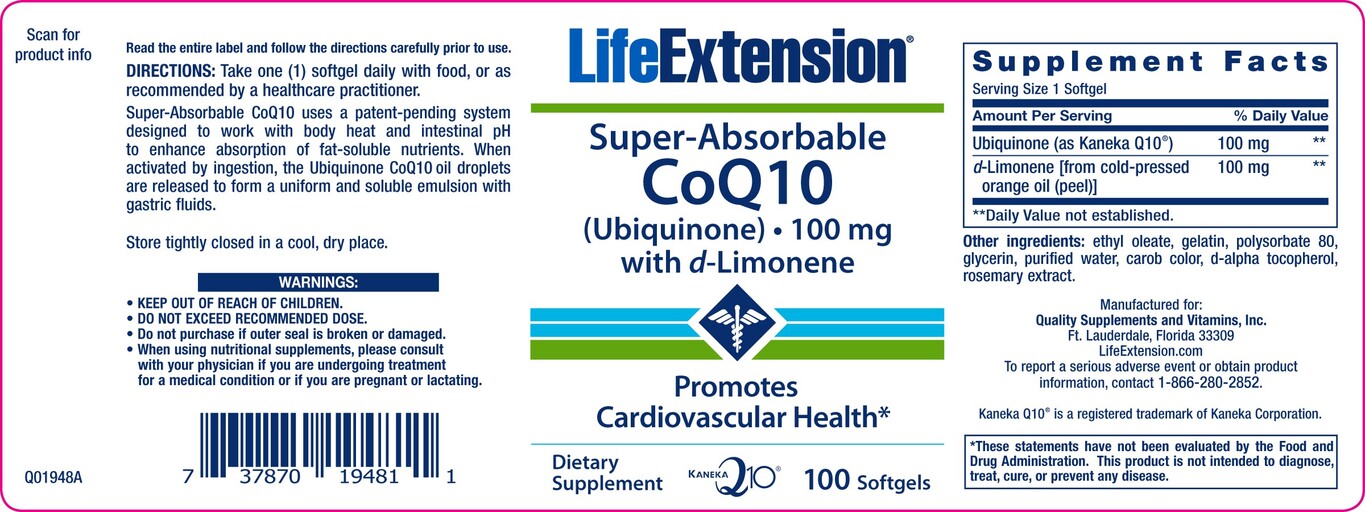
Life Extension
Super-Absorbable CoQ10 100 mg
🧬 for Longevity
46
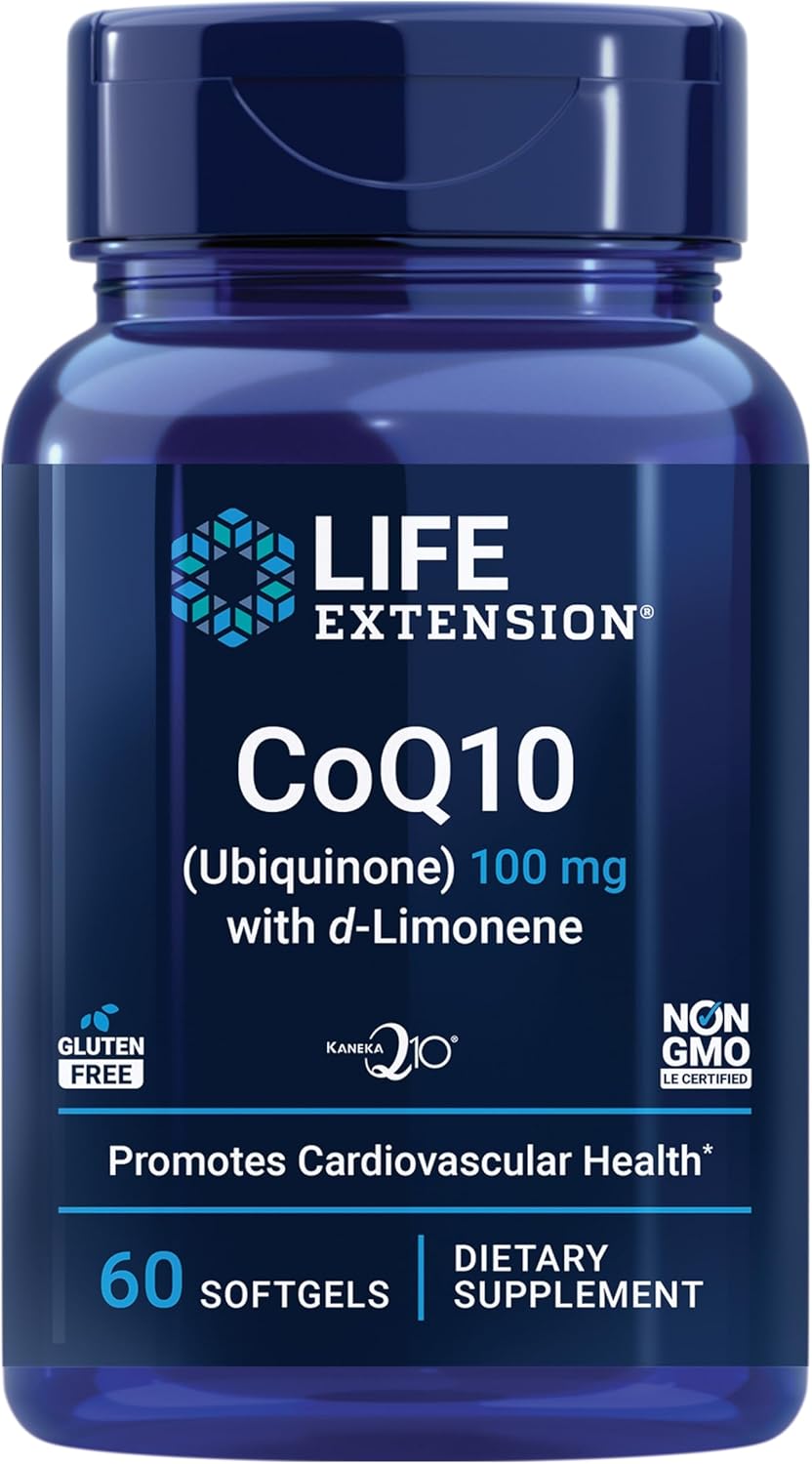
Life Extension
Super-Absorbable CoQ10 (Ubiquinone) 100 mg with D-Limonene
🧬 for Longevity
46
Life Extension
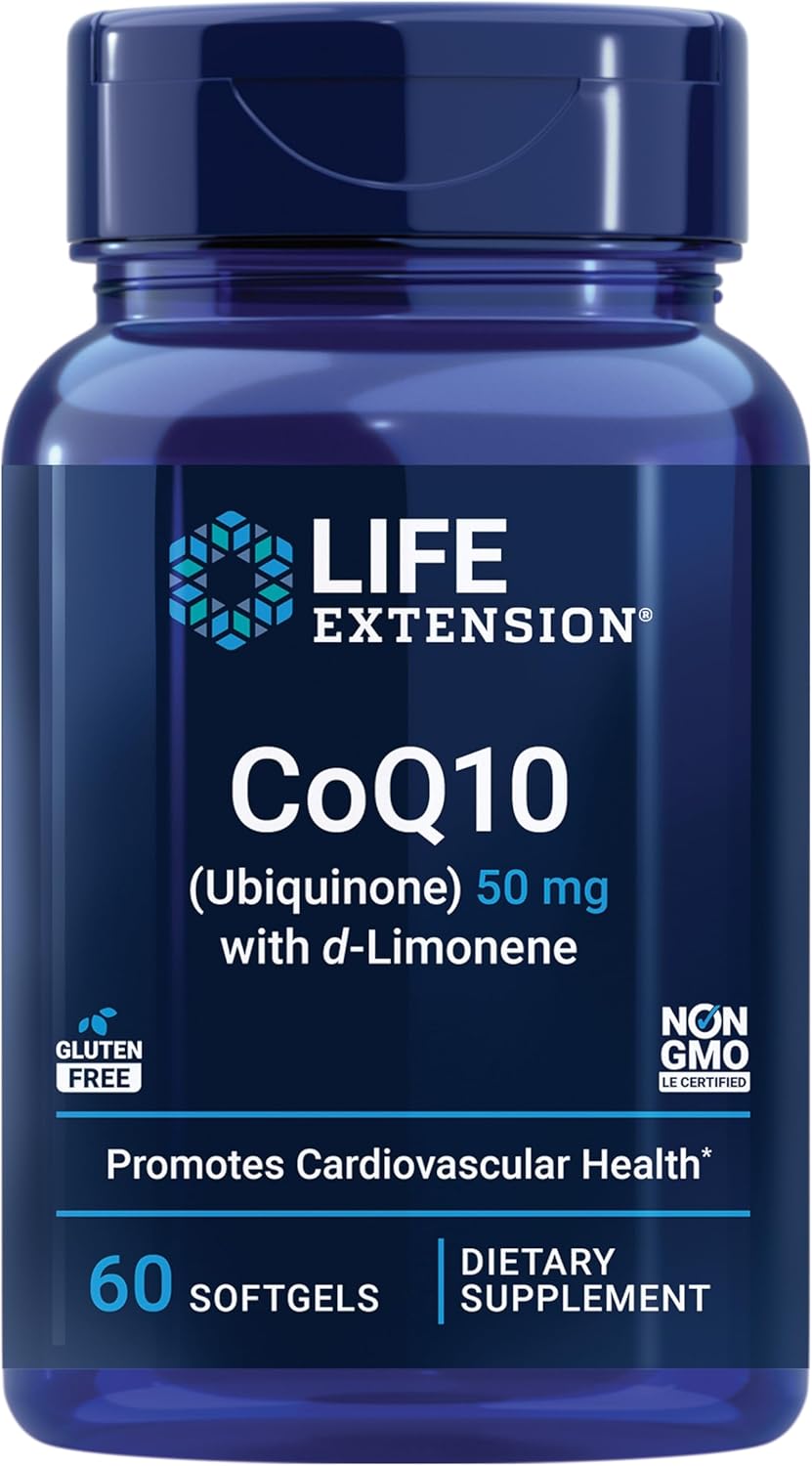
Super-Absorbable Co-Q10 (Ubiquinone) 50 mg with d-Limonene
🧬 for Longevity
11
Sources & Scoring
Nutrient data (RDA, UL, and safety thresholds) sourced from the NIH Office of Dietary Supplements and the National Academies Dietary Reference Intakes (DRI).
This is not medical advice. Consult a healthcare provider before making changes to your supplement routine.
The score analyzes what's on the label: ingredient doses vs. studied ranges, chemical forms, evidence levels, and known interactions. It does not verify label accuracy or test for contaminants — for that, look for third-party certifications like USP or NSF.