At the full three-capsule daily dose, you're getting 1,500mg of **Glucosamine Hydrochloride** and 1,200mg of **Chondroitin Sulfate** — both right at the top of the ranges used in major joint health trials like GAIT and MOVES. That's enough to meaningfully support cartilage maintenance and joint comfort, especially if you're dealing with age- or exercise-related stiffness.
The **Mobilee** complex (a patented blend of collagen, hyaluronic acid, and polysaccharides) is a small addition at 24mg/day. It has some independent research behind it, but at this dose it's a secondary player — the glucosamine and chondroitin are doing the heavy lifting here. Note that this uses the HCl form of glucosamine, which has higher elemental glucosamine per milligram but less clinical data than the sulfate form used in most European studies.
The biggest gap is **MSM** at just 450mg/day — well below the 1,000–3,000mg range used in clinical research on joint inflammation and recovery. If MSM is important to your joint support goals, you'd need to supplement it separately to reach a studied dose.
BioStacks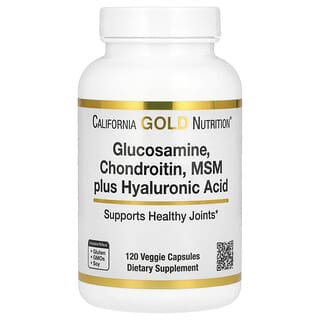
Best for
Ingredients (4)
Glucosamine Hydrochloride
100%Dose/day
1500 mg
Target
1000–1500 mg
Form
Premium
Chondroitin Sulfate
100%Dose/day
1200 mg
Target
800–1200 mg
Form
Standard
Methylsulfonylmethane
45%Dose/day
450 mg
Target
1000–3000 mg
Form
—
Mobilee
48%Dose/day
24 mg
Target
50–200 mg
Form
Standard
Other Ingredients (5)
Magnesium StearateLubricant
A salt of stearic acid used as a lubricant in tablet and capsule production
Medium Chain Triglyceride OilCarrier
Fractionated oils rich in C8/C10 triglycerides used as neutral carrier or anti-sticking agent
Silicon DioxideAnti-caking
Fine silica powder used to prevent clumping
GelatinCapsule
Protein derived from collagen, used in traditional capsule shells
Microcrystalline CelluloseBinder
Plant-derived cellulose used as a binder and filler in supplements
How to Take It
Take it anytime
Take with food to avoid stomach upset. Benefits, where they exist, take weeks of daily use to appear.
With food
Split into 3 doses across the day
On the label
Suggested use: As a dietary supplement, take one capsule three times per day with water.
General guidance based on the ingredients, not a substitute for the label or your doctor.
Price Check
$24.99
Cheaper than 65% of 65 chondroitin supplements
Track this supplement in your stack
Get personalized insights, interactions, and coverage recommendations.
Get Started FreeSimilar Supplements
California Gold Nutrition
Glucosamine, Chondroitin, MSM plus Hyaluronic Acid
✨ for Skin
43
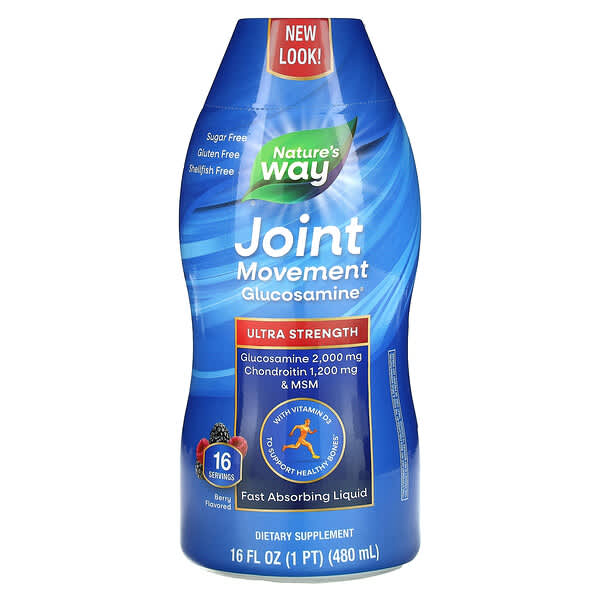
Nature's Way
Joint Movement Glucosamine, Ultra Strength, Berry
🦴 for Bone & Joint
60
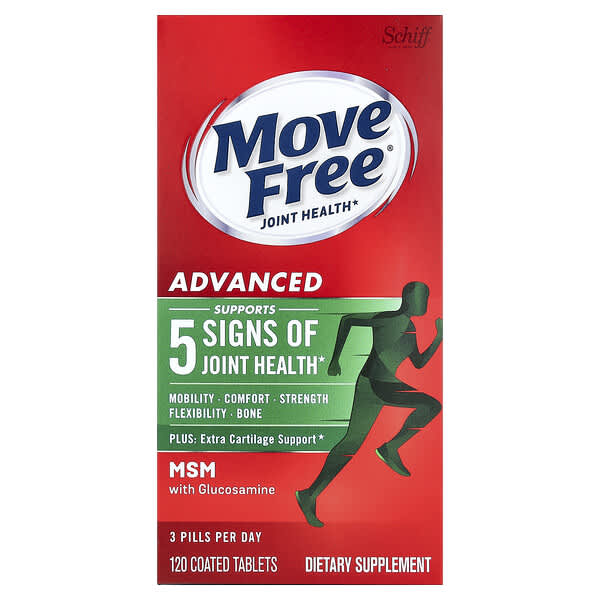
Schiff
Move Free® Joint Health, Advanced, 120 Coated Tablets
✨ for Skin
44
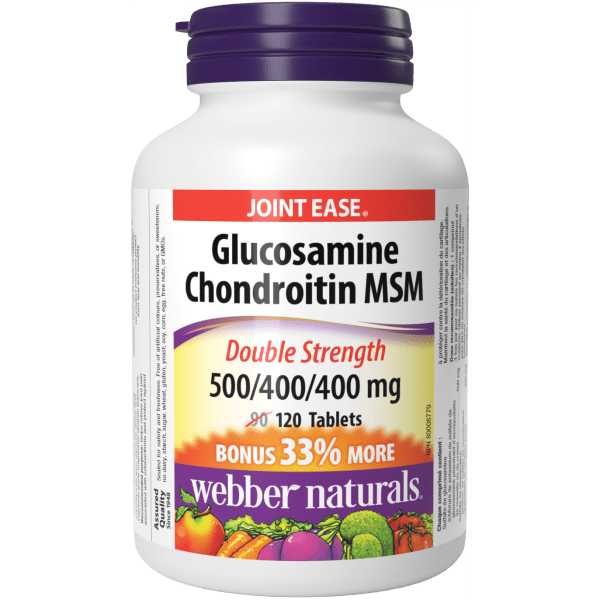
Webber Naturals
Glucosamine Chondroitin MSM 500/400/400 mg
🦴 for Bone & Joint
76
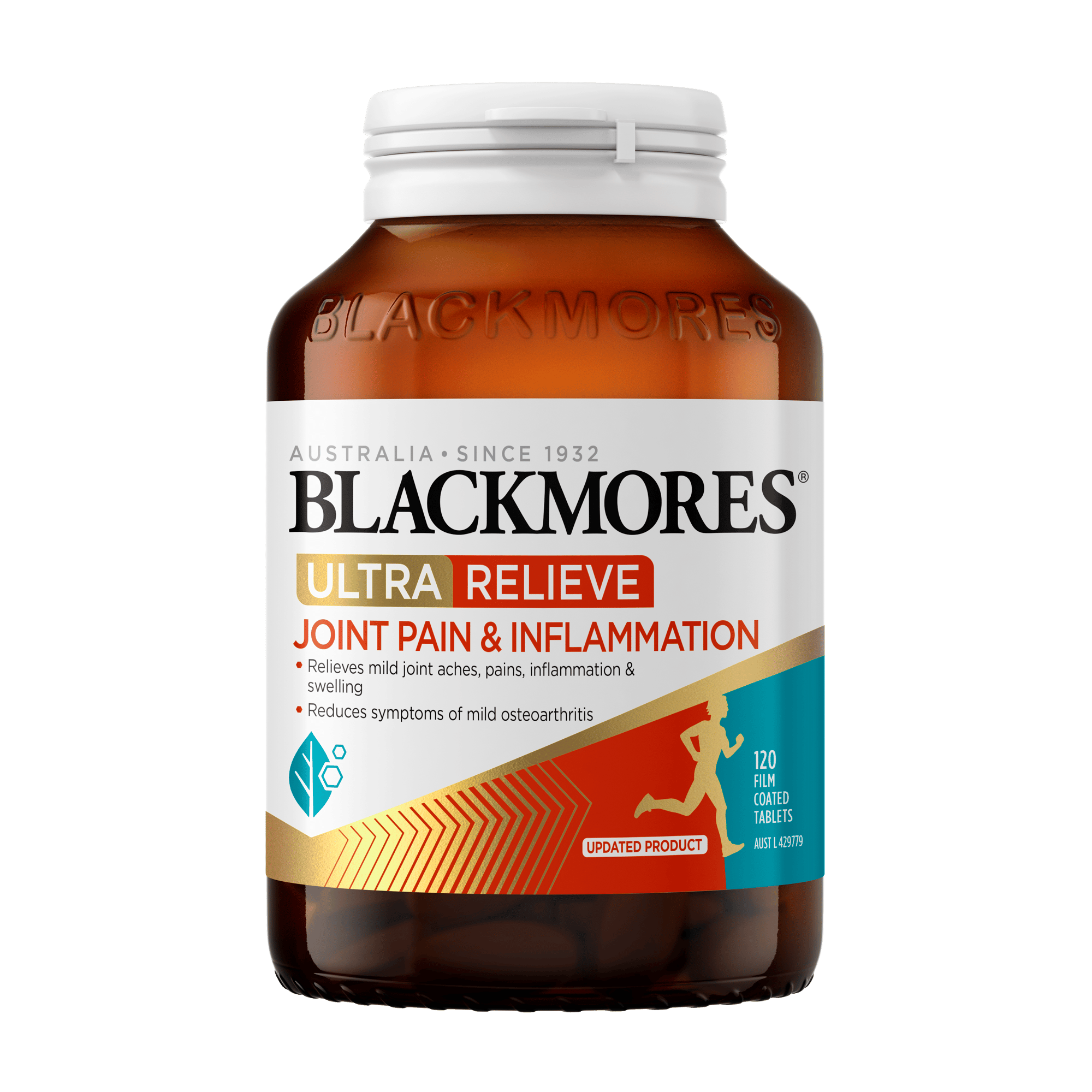
Blackmores
Ultra Relieve Joint Pain & Inflammation
🦴 for Bone & Joint
74
Sources & Scoring
Nutrient data (RDA, UL, and safety thresholds) sourced from the NIH Office of Dietary Supplements and the National Academies Dietary Reference Intakes (DRI).
This is not medical advice. Consult a healthcare provider before making changes to your supplement routine.
The score analyzes what's on the label: ingredient doses vs. studied ranges, chemical forms, evidence levels, and known interactions. It does not verify label accuracy or test for contaminants — for that, look for third-party certifications like USP or NSF.