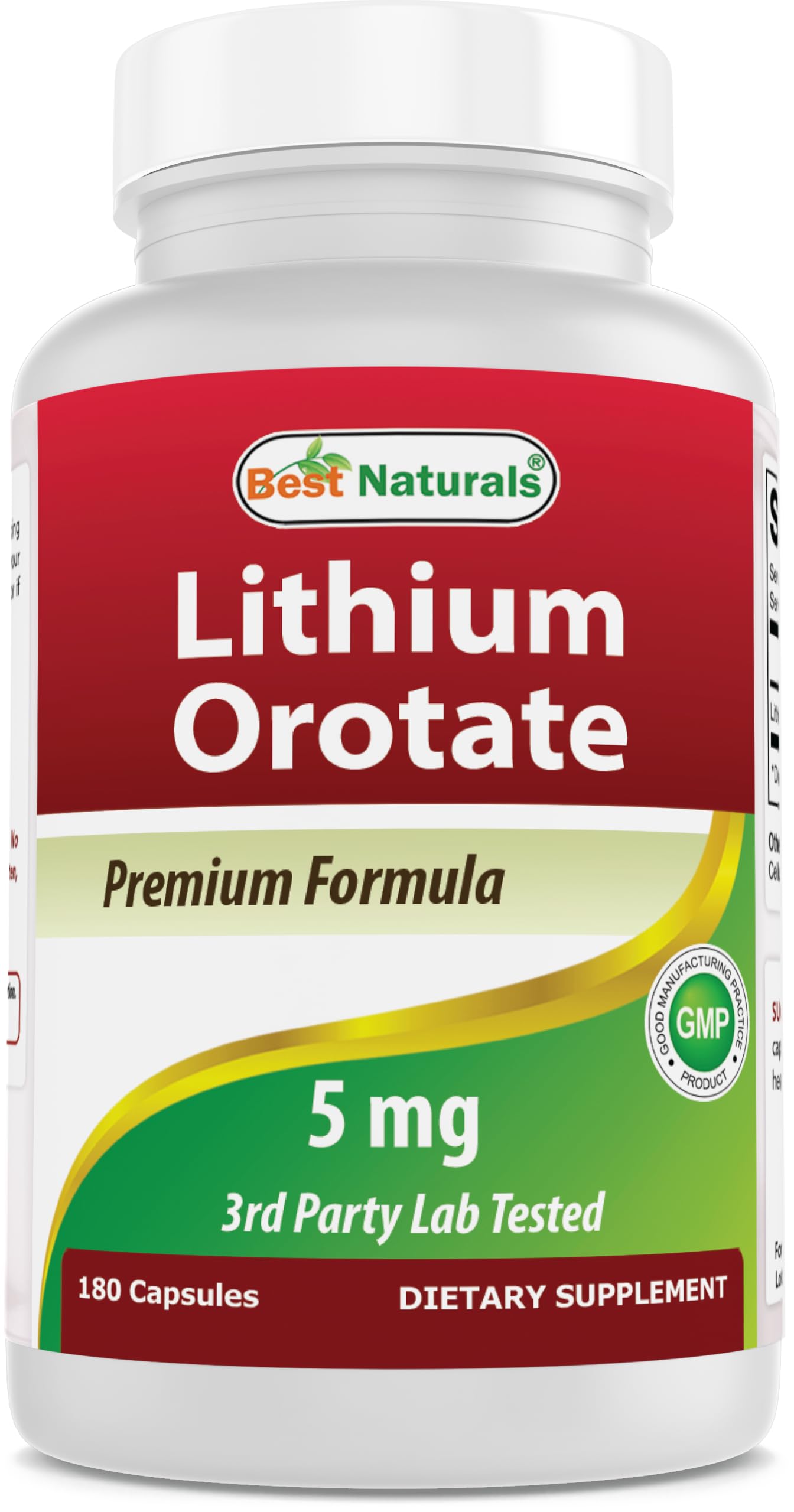
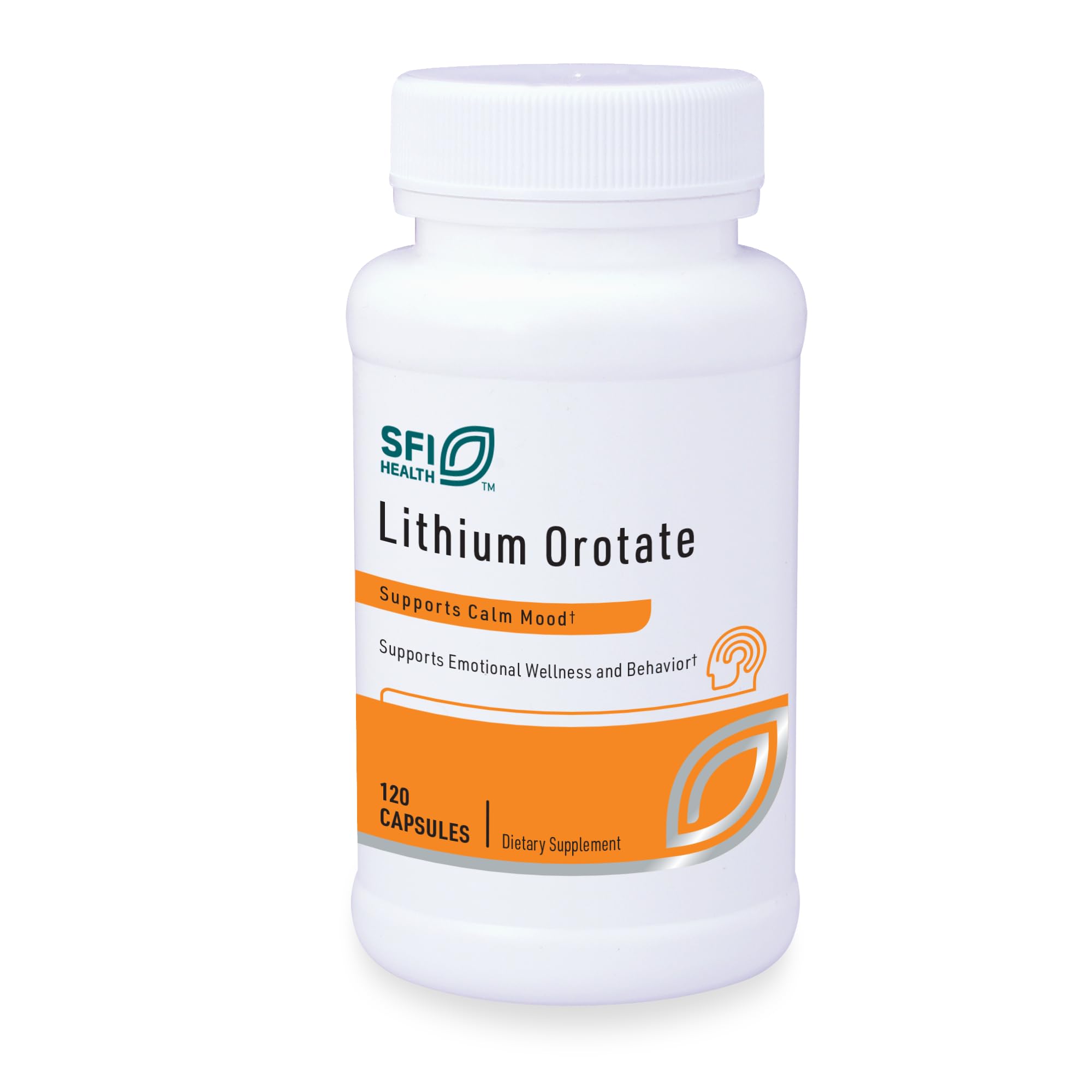
**Lithium Orotate** at 5 mg elemental lithium per capsule — right at the top of the nutritional dose range used in research on mood and cognitive support (0.5–5 mg). At one capsule daily, you're getting a full effective dose without needing to double up.
Low-dose lithium has moderate clinical backing for supporting mood balance and neuroprotection, with emerging research linking trace lithium intake to brain health and longevity. This is a nutritional dose — far below the prescription lithium carbonate range used for bipolar disorder, so the safety profile is very different.
The main thing to know: the evidence for low-dose lithium orotate is promising but still developing. Most of the strong lithium research comes from prescription-dose studies, not supplement-level doses. If you're looking for mood support specifically, this product delivers a meaningful dose — just keep expectations grounded in where the science currently stands.
BioStacks
Other Ingredients (4)
Magnesium StearateLubricant
A salt of stearic acid used as a lubricant in tablet and capsule production
Silicon DioxideAnti-caking
Fine silica powder used to prevent clumping
HypromelloseCapsule
Plant-derived capsule material from cellulose
Microcrystalline CelluloseBinder
Plant-derived cellulose used as a binder and filler in supplements
How to Take It
Take it anytime
Timing doesn't matter for this one — taking it consistently does.
With or without food
On the label
Suggested use: As a dietary supplement, take one veggie capsule per day with food and water.
General guidance based on the ingredients, not a substitute for the label or your doctor.
Price Check
$7.39
Cheaper than 99% of 22 lithium supplements
Track this supplement in your stack
Get personalized insights, interactions, and coverage recommendations.
Get Started FreeSimilar Supplements
Sources & Scoring
Nutrient data (RDA, UL, and safety thresholds) sourced from the NIH Office of Dietary Supplements and the National Academies Dietary Reference Intakes (DRI).
This is not medical advice. Consult a healthcare provider before making changes to your supplement routine.
The score analyzes what's on the label: ingredient doses vs. studied ranges, chemical forms, evidence levels, and known interactions. It does not verify label accuracy or test for contaminants — for that, look for third-party certifications like USP or NSF.