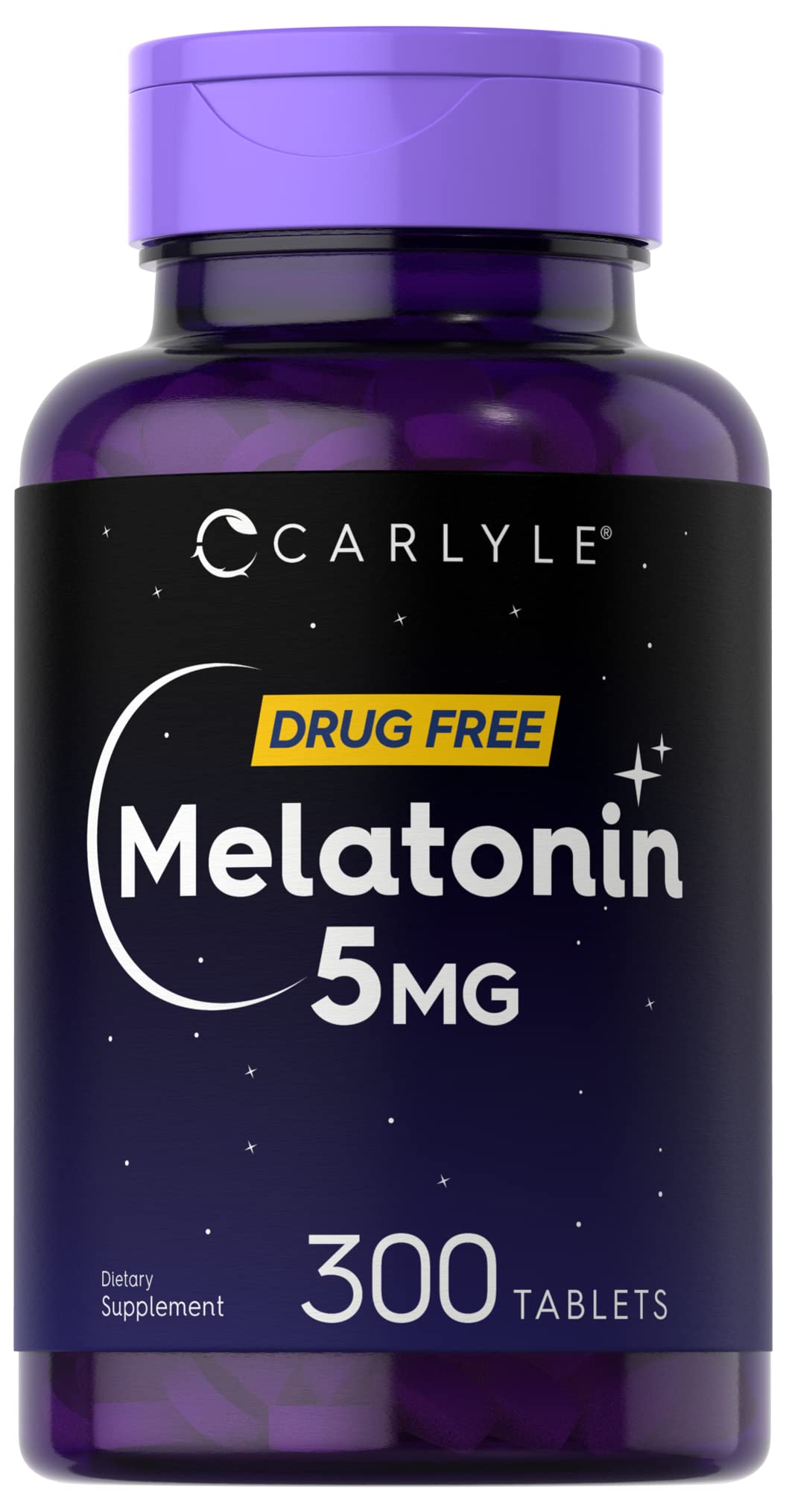
At 3 mg per capsule, you're getting **Melatonin** right in the middle of the clinically studied range (0.5–5 mg) for supporting sleep onset and circadian rhythm regulation. One capsule taken 30 minutes before bed — as the label suggests — delivers enough to help you fall asleep faster, with strong clinical backing from multiple trials.
Interestingly, research shows that lower doses (0.5–1 mg) can be just as effective as higher ones for sleep onset, while higher doses don't necessarily work better and may increase grogginess the next morning. At 3 mg, you have room to split capsules or reduce your dose if you find it's more than you need.
The main thing to know: melatonin helps with falling asleep and resetting your sleep schedule (jet lag, shift work), but it's not designed to keep you asleep through the night. If you're waking up at 3 AM, this likely won't solve that — it's a sleep-onset tool, not a sleep-maintenance one.
BioStacks
Other Ingredients (2)
Rice FlourFiller
Rice-based ingredients carry risk of inorganic arsenic contamination (FDA and Consumer Reports). Rice accumulates arsenic from soil at higher rates than other grains. Used as a cheap filler — adds nothing beneficial.
GelatinCapsule
Protein derived from collagen, used in traditional capsule shells
How to Take It
Best taken in the evening
Take 30–60 minutes before bed. It's a circadian signal, not a daytime supplement.
With or without food
On the label
Suggested use: As a dietary supplement, take one capsule with water one-half hour before bedtime.
General guidance based on the ingredients, not a substitute for the label or your doctor.
Price Check
$5.79
Cheaper than 95% of 203 melatonin supplements
Track this supplement in your stack
Get personalized insights, interactions, and coverage recommendations.
Get Started FreeSimilar Supplements
Sources & Scoring
Nutrient data (RDA, UL, and safety thresholds) sourced from the NIH Office of Dietary Supplements and the National Academies Dietary Reference Intakes (DRI).
This is not medical advice. Consult a healthcare provider before making changes to your supplement routine.
The score analyzes what's on the label: ingredient doses vs. studied ranges, chemical forms, evidence levels, and known interactions. It does not verify label accuracy or test for contaminants — for that, look for third-party certifications like USP or NSF.