If you're hoping for metabolic or weight management benefits from apple cider vinegar, the evidence behind gummies is thin. You're getting 500mg of **Organic Apple Cider Vinegar** standardized to 5% acetic acid per two-gummy serving — which means roughly 25mg of actual acetic acid. The few studies suggesting blood sugar or weight benefits used liquid ACV delivering 750-1,500mg of acetic acid, so this provides a fraction of the researched amount.
The gummy format uses organic tapioca syrup and cane sugar as the first two ingredients, which means you're consuming added sugar alongside a product often marketed for metabolic health. That's a tradeoff worth knowing about.
The broader issue is that ACV gummies as a category lack direct clinical trial support. The modest evidence that exists is for liquid vinegar at much higher acetic acid concentrations. If you enjoy these as a flavored gummy, that's fine — but the clinical case for any measurable health benefit at this dose is weak.
BioStacks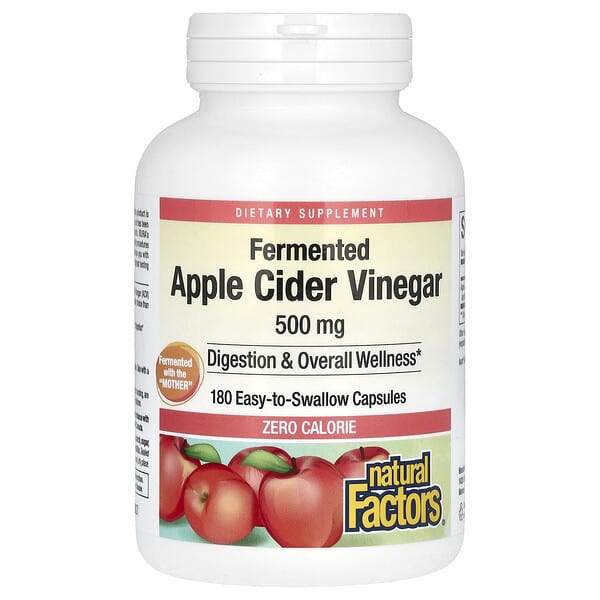
Other Ingredients (10)
SucroseSweetener
Added sugars and high glycemic load; dental caries risk
Tapioca SyrupSweetener
High glycemic index similar to glucose syrup. Adds significant sugars and calories — often the primary ingredient by weight in gummy supplements. 'Organic' labeling does not change the glycemic impact.
Natural FlavorsFlavor
Broad regulatory category of flavor constituents derived from natural sources. Composition is proprietary and not disclosed — 'Natural Flavors' can include several hundred different compounds depending on the target flavor profile, including hexane-extracted constituents and proprietary carrier solvents. 'Natural' is a regulatory definition (21 CFR §101.22), not a safety guarantee.
Citric AcidAcidulant
Natural acid derived from citrus fruits
Carnauba WaxCoating
Hard plant wax from the carnauba palm used to glaze gummies and tablets
Sunflower Seed OilCarrier
Common vegetable oil from sunflower seeds used as a carrier in softgels for fat-soluble nutrients
PectinGelling Agent
Plant polysaccharide from citrus peels or apple pomace used to gel pectin-based gummies
Sodium CitrateBuffer
Sodium salt of citric acid used for pH control, tartness, and chelation in gummies
How to Take It
Take it anytime
Timing doesn't matter for this one — taking it consistently does.
With or without food
On the label
As a dietary supplement, adults chew two gummies daily.
General guidance based on the ingredients, not a substitute for the label or your doctor.
Price Check
$8.13
Cheaper than 92% of 41 ACV supplements
Track this supplement in your stack
Get personalized insights, interactions, and coverage recommendations.
Get Started FreeSimilar Supplements
Natural Factors
Fermented Apple Cider Vinegar, 500 mg, 180 Easy to Swallow Capsules
85
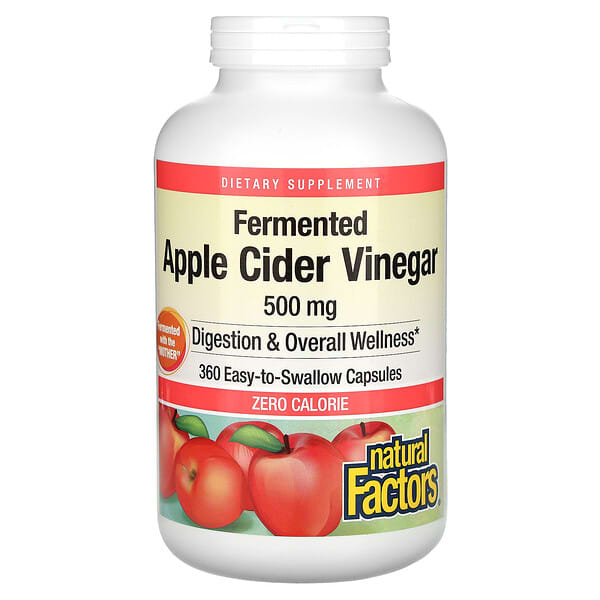
Natural Factors
Fermented Apple Cider Vinegar, 500 mg, 360 Easy-to -Swallow Capsules
85
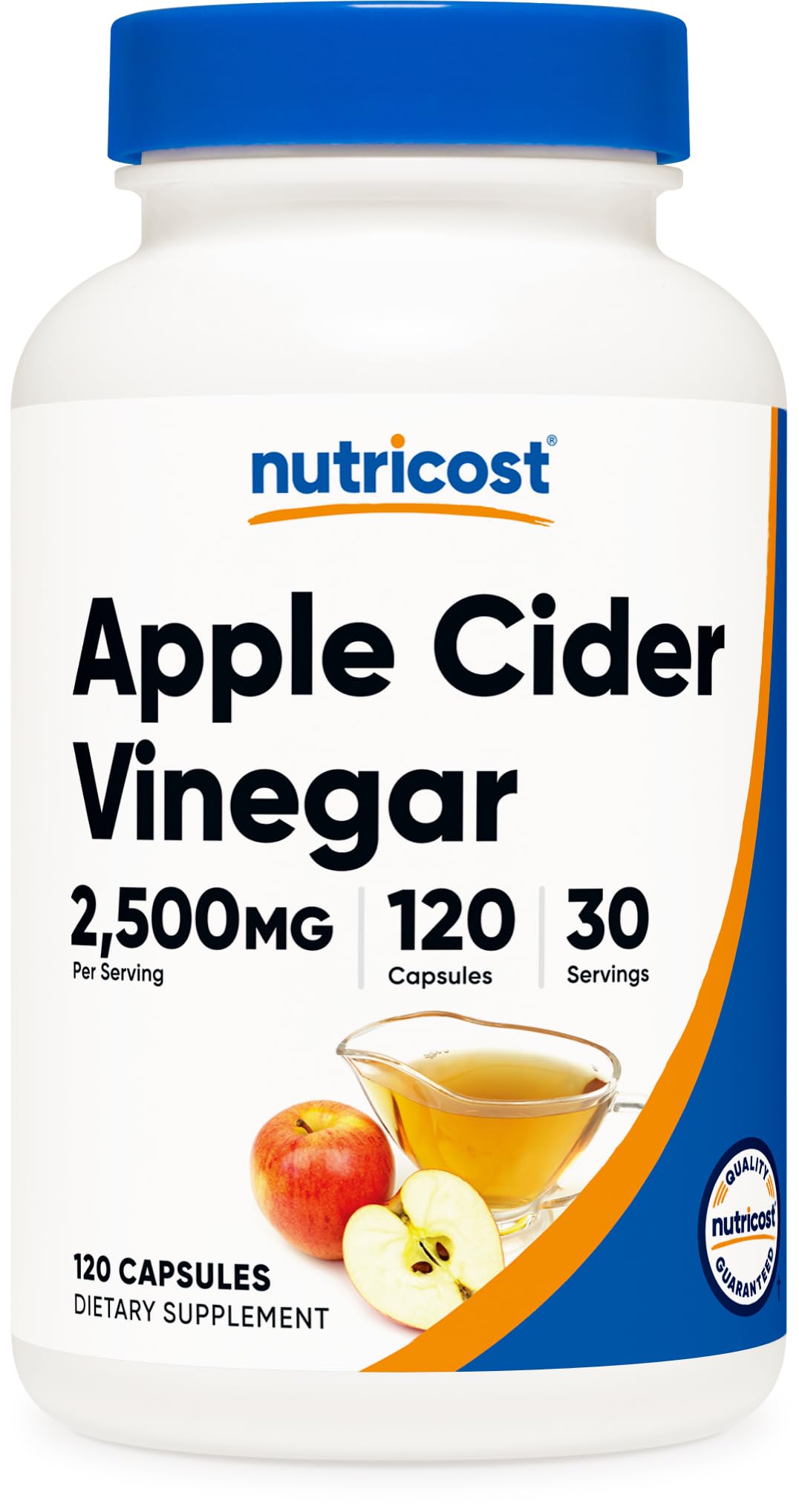
Nutricost
Apple Cider Vinegar
85
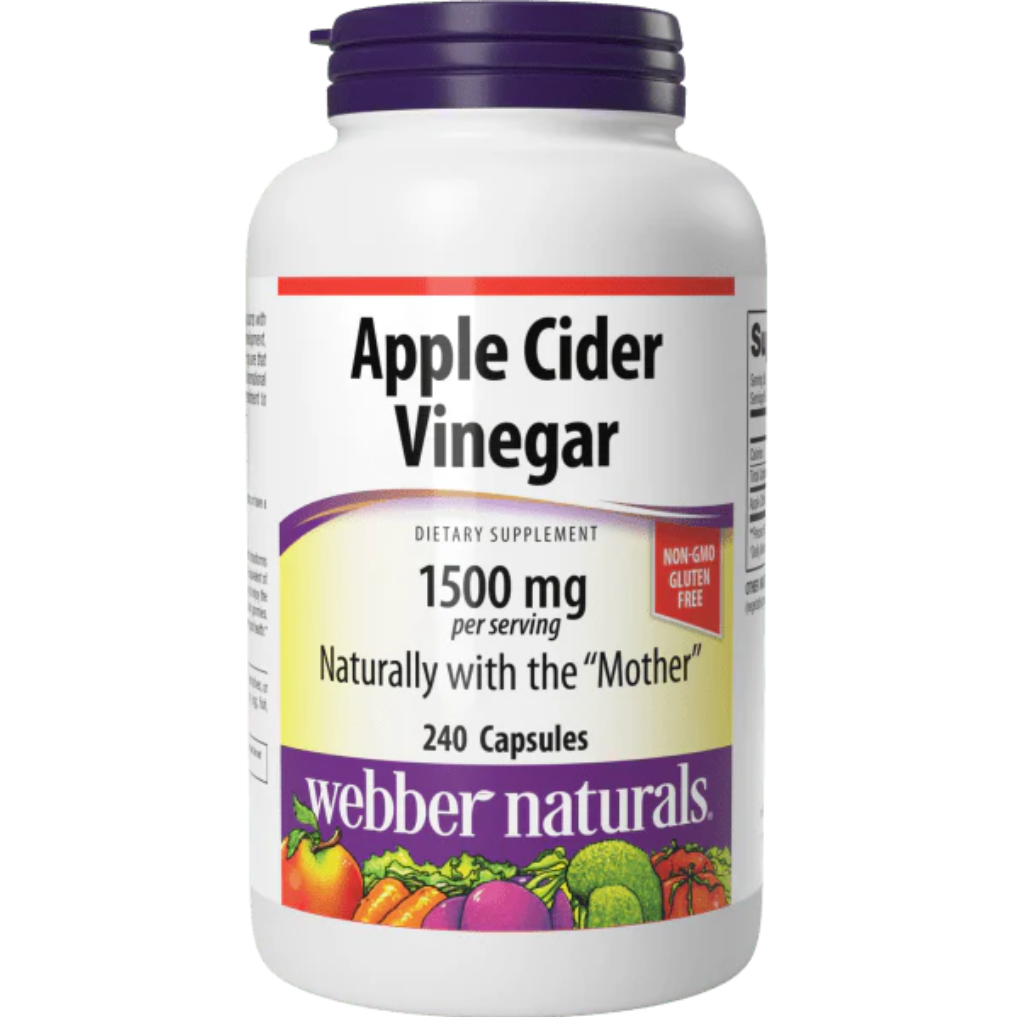
Webber Naturals
Apple Cider Vinegar 1500 mg
85
Webber Naturals
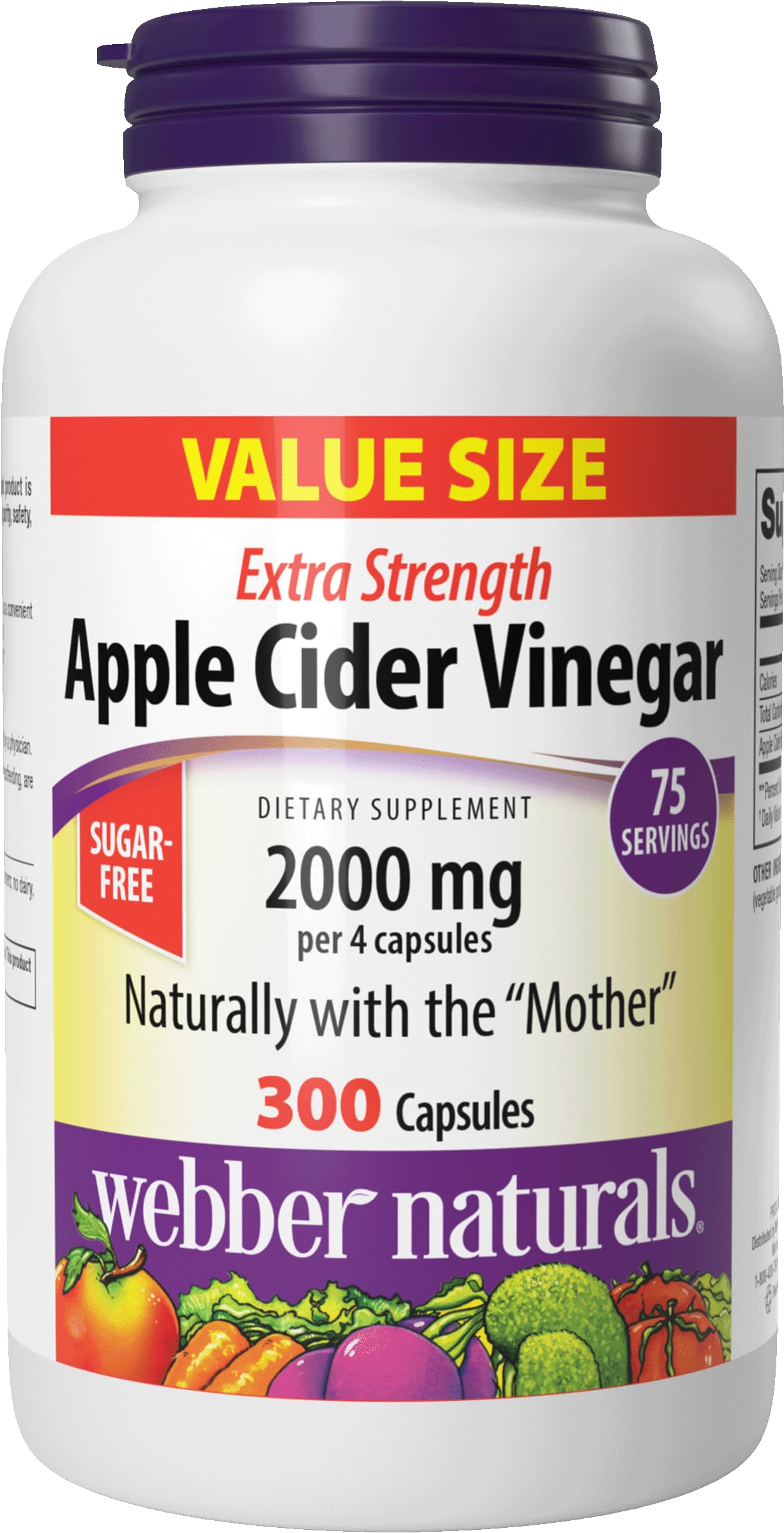
Extra Strength Apple Cider Vinegar 2000 mg
85
Sources & Scoring
Nutrient data (RDA, UL, and safety thresholds) sourced from the NIH Office of Dietary Supplements and the National Academies Dietary Reference Intakes (DRI).
This is not medical advice. Consult a healthcare provider before making changes to your supplement routine.
The score analyzes what's on the label: ingredient doses vs. studied ranges, chemical forms, evidence levels, and known interactions. It does not verify label accuracy or test for contaminants — for that, look for third-party certifications like USP or NSF.