Each capsule delivers 135mg of **Magnesium** split between two well-absorbed forms — citrate and Albion dimagnesium malate. At the label's suggested 1-3 capsules daily, you're looking at 135-405mg, which covers the full clinical supplemental range of 100-400mg. To hit the effective upper end for goals like sleep support, muscle recovery, or stress reduction, you'll want to take the full three capsules.
The dual-form approach works in your favor here. **Magnesium citrate** absorbs well and has a mild relaxation effect, while **magnesium malate** is linked to energy production and may be gentler on your stomach. Both are solidly above the poorly absorbed oxide form that shows up in many formulas.
The one thing to know: at a single capsule, 135mg is on the lower end — enough for general maintenance but likely not enough to move the needle if you're actively addressing a deficiency or targeting sleep quality. Plan on two to three capsules daily to get full benefit.
BioStacks
Other Ingredients (2)
Medium Chain Triglyceride OilCarrier
Fractionated oils rich in C8/C10 triglycerides used as neutral carrier or anti-sticking agent
HypromelloseCapsule
Plant-derived capsule material from cellulose
How to Take It
Best taken in the evening
Often taken at night for relaxation and sleep, but absorption is the same anytime — consistency matters most.
With or without food
Space it a couple of hours from Iron and Calcium
On the label
Suggested Use: Take 1 capsule one to three times daily or as recommended by your health-care practitioner.
General guidance based on the ingredients, not a substitute for the label or your doctor.
Price Check
$22.00
Near the median of 579 magnesium supplements
Track this supplement in your stack
Get personalized insights, interactions, and coverage recommendations.
Get Started FreeSimilar Supplements
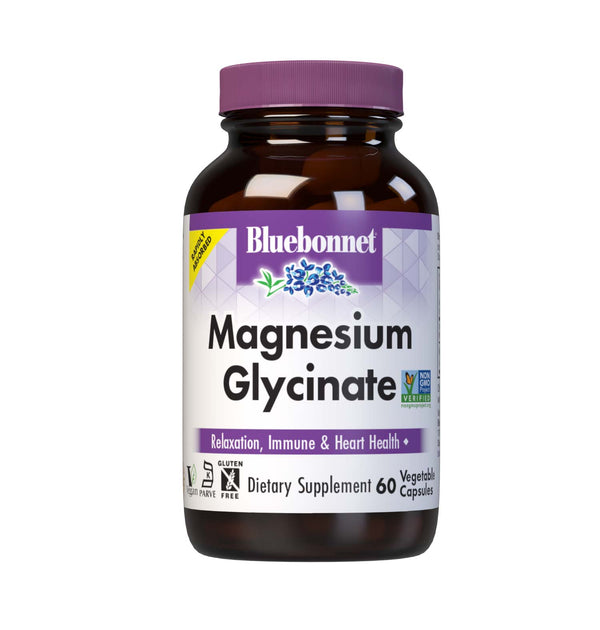
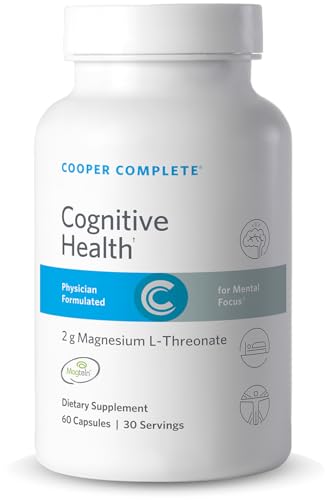
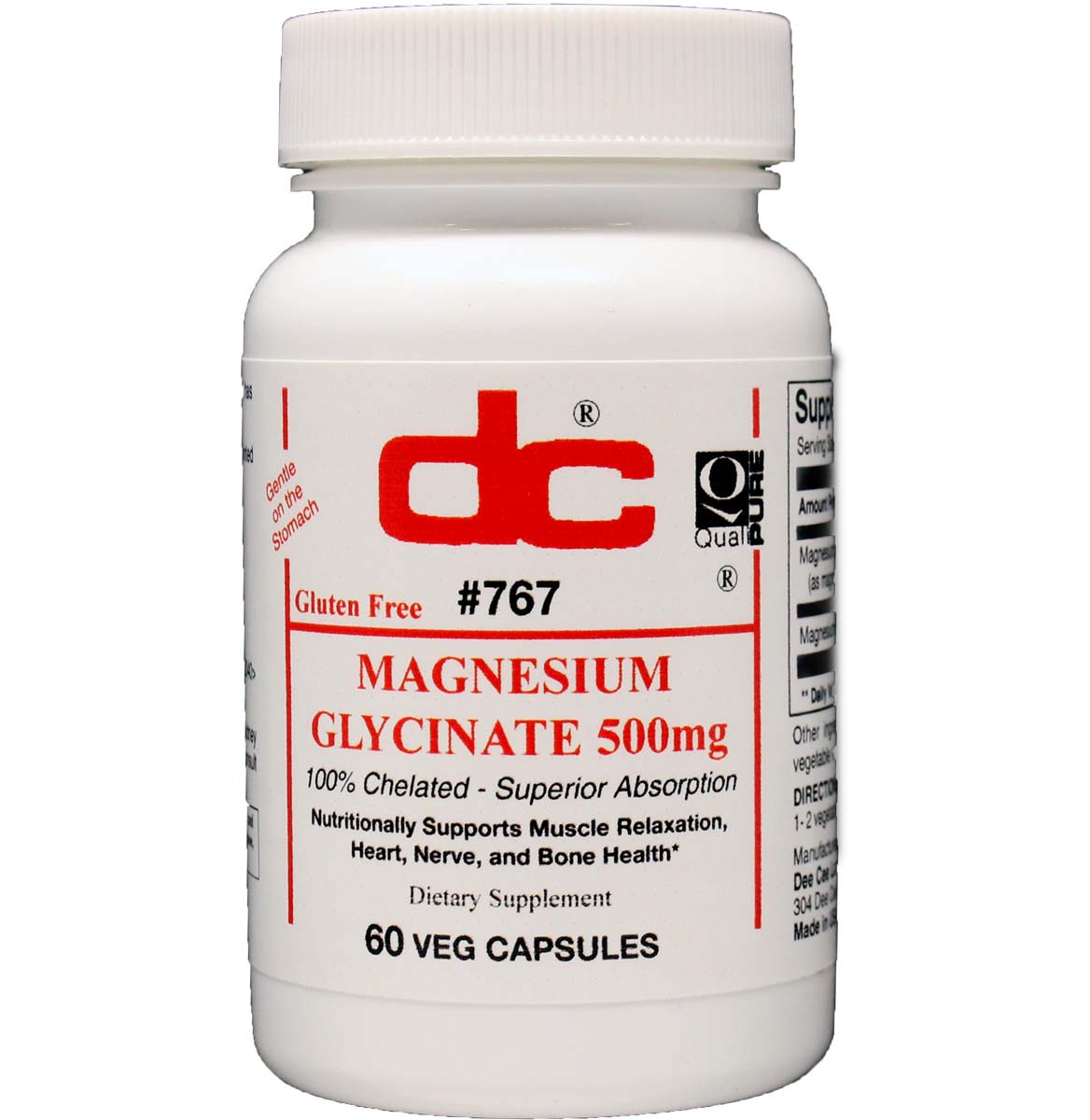
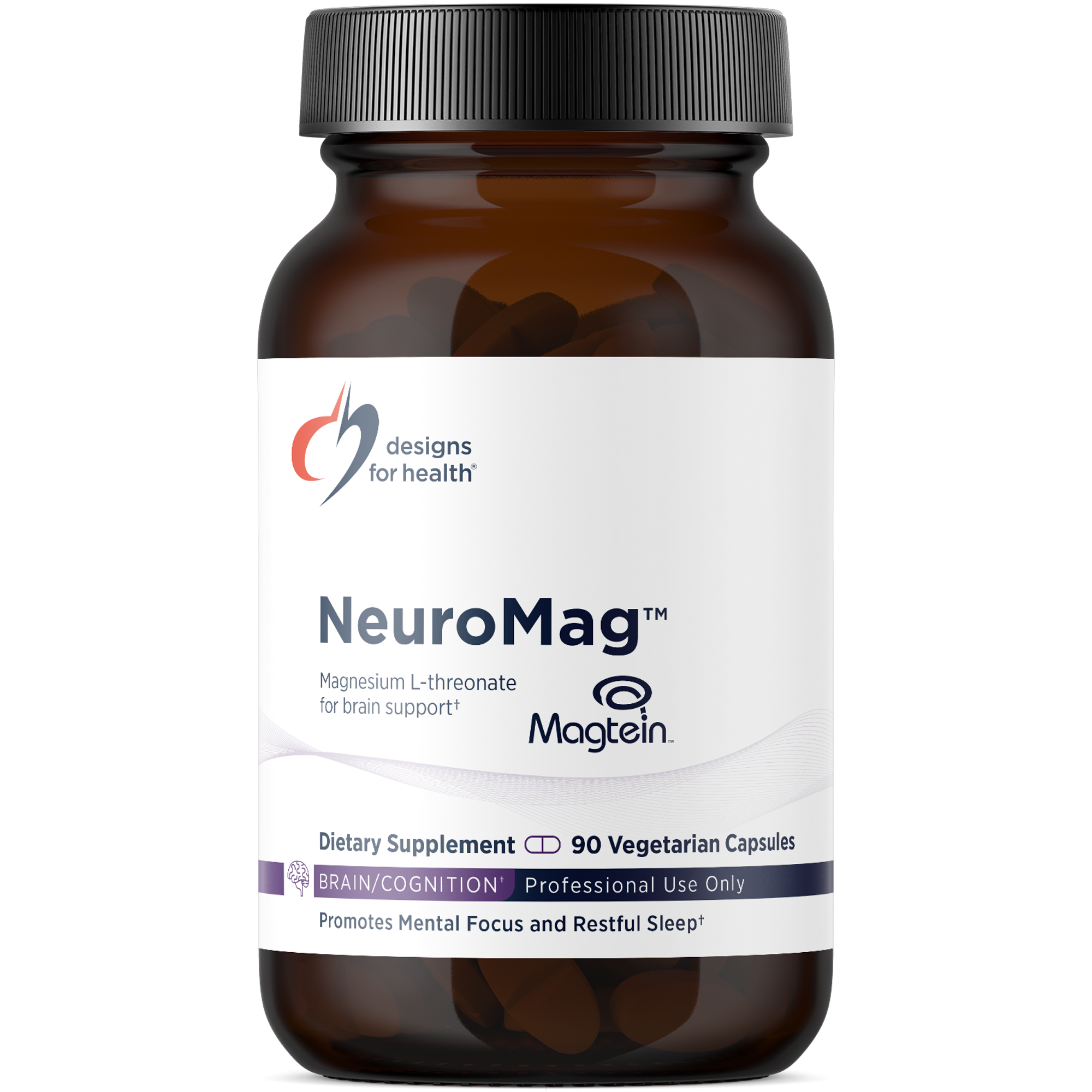
Sources & Scoring
Nutrient data (RDA, UL, and safety thresholds) sourced from the NIH Office of Dietary Supplements and the National Academies Dietary Reference Intakes (DRI).
This is not medical advice. Consult a healthcare provider before making changes to your supplement routine.
The score analyzes what's on the label: ingredient doses vs. studied ranges, chemical forms, evidence levels, and known interactions. It does not verify label accuracy or test for contaminants — for that, look for third-party certifications like USP or NSF.