If you're looking for cardiovascular support through **Garlic Extract**, this product provides 1,000 mg per softgel from a 500:1 concentrate. Garlic has moderate clinical evidence for modest reductions in blood pressure and cholesterol, with most studies using 600-1,200 mg of aged garlic extract or equivalent standardized preparations daily.
The label describes this as a 500:1 extract equivalent to 1,000 mg of raw garlic, but it does not specify the allicin or alliin content — the active compounds that drive garlic's cardiovascular effects. What this means for you: without standardization to a specific active compound, it is difficult to know exactly how this compares to the doses used in clinical trials.
At 250 softgels with one per day, you're getting over 8 months of supply, which makes this an affordable long-term option. The key caveat is the lack of standardization data — if heart health is your primary goal, knowing the allicin yield per serving would give you more confidence in the dose.
BioStacks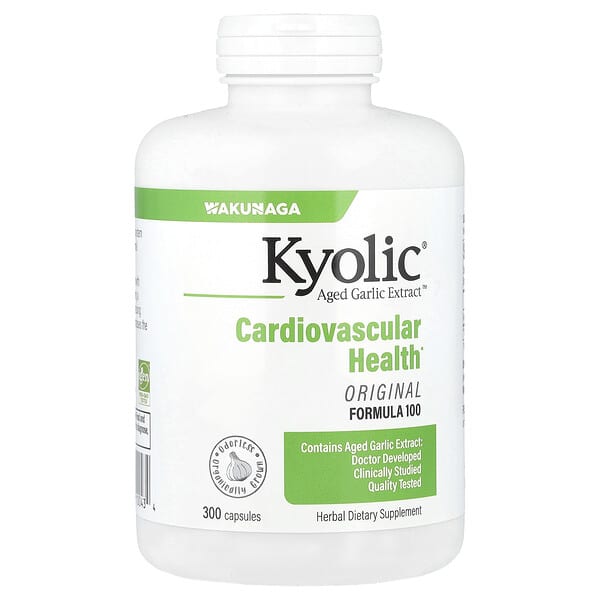
Ingredients (1)
Garlic Extract
100%Dose
1000 mg
Target
600–1200 mg
Form
Budget
Other Ingredients (3)
GelatinCapsule
Protein derived from collagen, used in traditional capsule shells
GlycerinHumectant
Sweet-tasting liquid used in soft capsules and liquids
Vegetable OilCarrier
Edible oils used as carriers in softgels and as processing aids
How to Take It
Take it anytime
Timing doesn't matter for this one — taking it consistently does.
With or without food
On the label
For adults, take 1 softgel, 1 time daily, preferably with a meal.
General guidance based on the ingredients, not a substitute for the label or your doctor.
Price Check
No price yet
What 74 garlic extract supplements cost
Track this supplement in your stack
Get personalized insights, interactions, and coverage recommendations.
Get Started FreeSimilar Supplements
Kyolic
Aged Garlic Extract™, Cardiovascular Health, Original Formula 100
❤️ for Heart
85
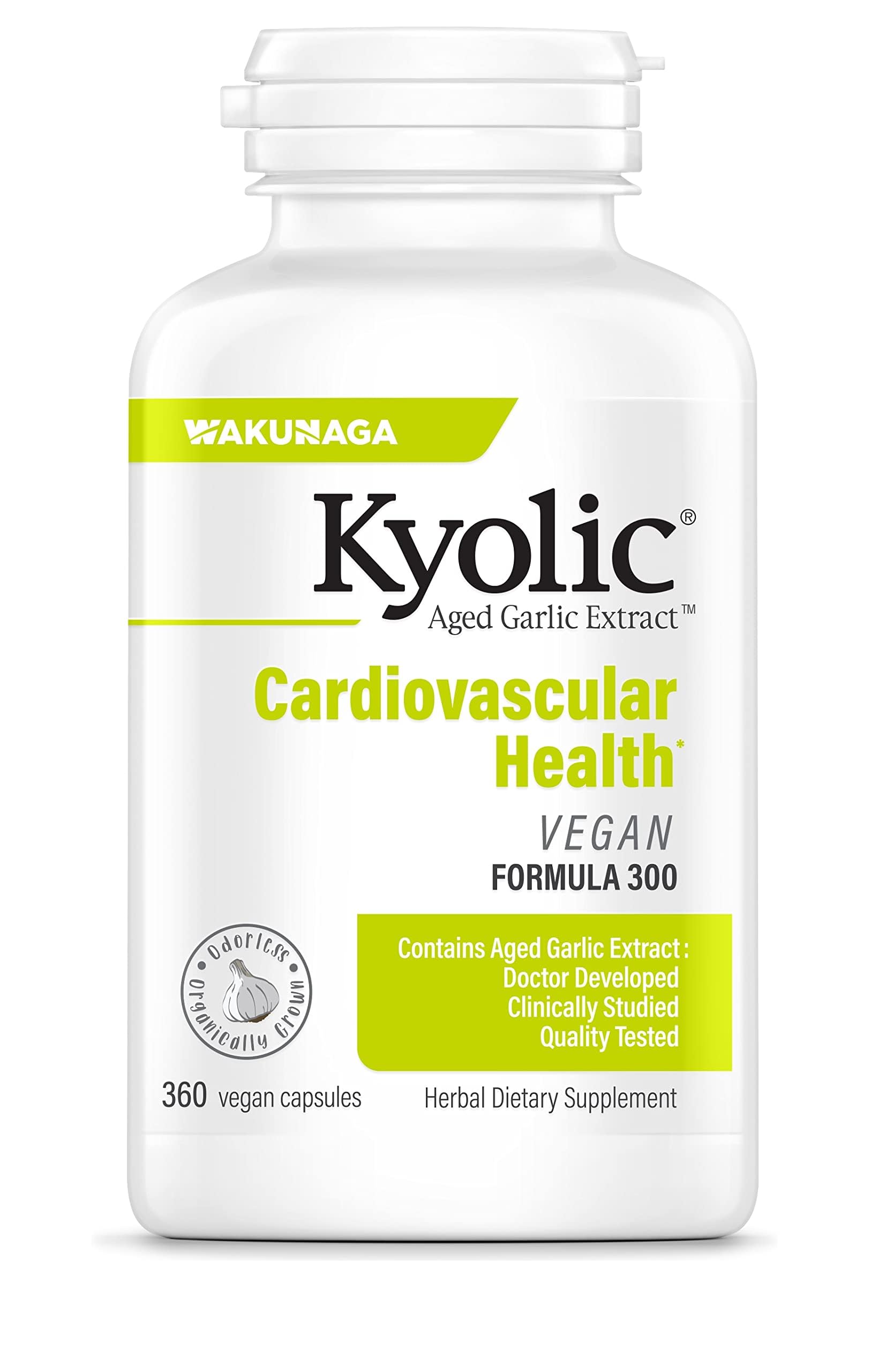
Kyolic
Cardiovascular Health Vegan Formula 300
❤️ for Heart
85
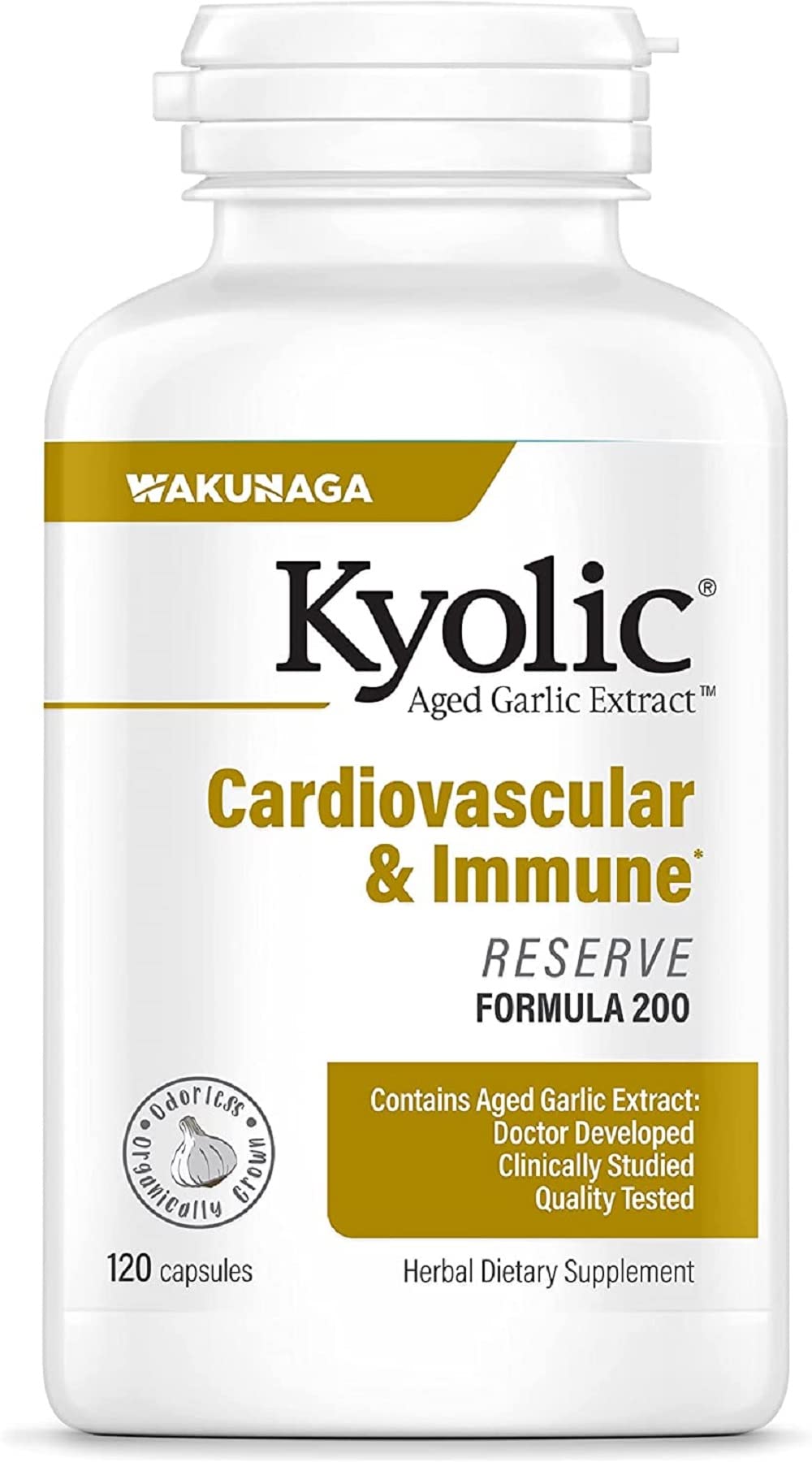
Kyolic
Cardiovascular & Immune Reserve Formula 200
❤️ for Heart
85
Kyolic
Kyolic Extra Strength Reserve
❤️ for Heart
85
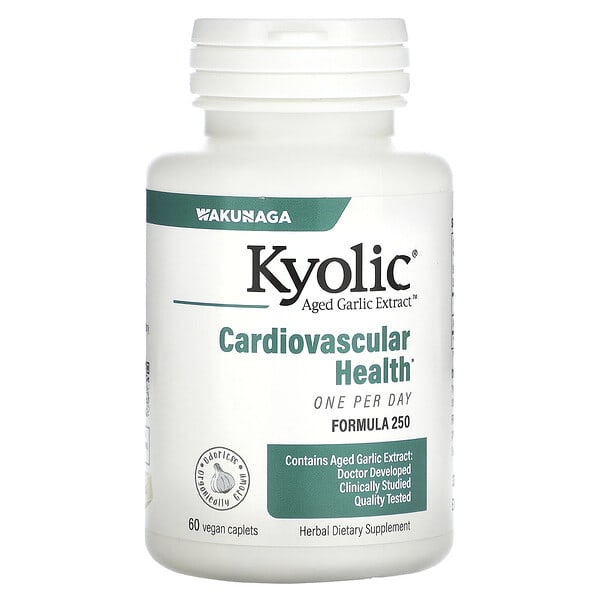
Kyolic
Aged Garlic Extract, Cardiovascular Health, One Per Day, Formula 250, 60 Vegan Caplets (1,000 mg per Capsule)
❤️ for Heart
82
Sources & Scoring
Nutrient data (RDA, UL, and safety thresholds) sourced from the NIH Office of Dietary Supplements and the National Academies Dietary Reference Intakes (DRI).
This is not medical advice. Consult a healthcare provider before making changes to your supplement routine.
The score analyzes what's on the label: ingredient doses vs. studied ranges, chemical forms, evidence levels, and known interactions. It does not verify label accuracy or test for contaminants — for that, look for third-party certifications like USP or NSF.