You're getting 500mg each of **L-Arginine** and **L-Citrulline** per two-capsule serving — but the clinical research on blood flow and exercise performance uses 2,000–6,000mg of arginine and 3,000–6,000mg of citrulline. At these doses, you're at roughly 25% and 17% of the minimum studied amounts, which is well below the range where meaningful nitric oxide support has been demonstrated.
The ingredient pairing itself is sound — your body converts citrulline into arginine in the kidneys, which can sustain nitric oxide levels longer than arginine alone. But that synergy only kicks in at higher doses. At 500mg each, neither ingredient reaches the threshold where clinical benefits for heart health or workout performance have been observed.
To reach even the low end of the studied dose for arginine alone, you'd need to take eight capsules daily — four times the label's recommendation. That makes this a starting point at best, not a clinically effective dose.
BioStacks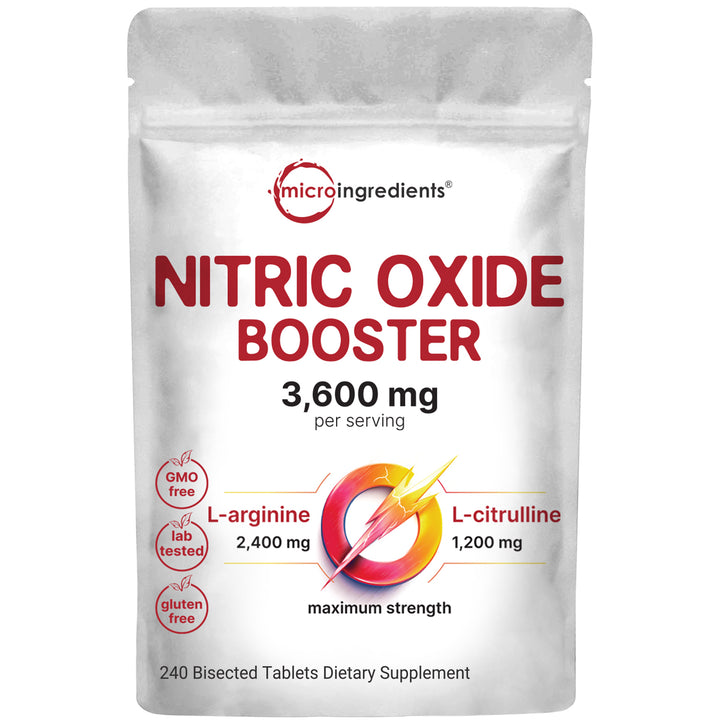
Other Ingredients (1)
HypromelloseCapsule
Plant-derived capsule material from cellulose
How to Take It
Take it anytime
Take between meals — food blunts the rise in plasma arginine.
On an empty stomach
On the label
Adults: Take 2 capsules once daily, before meal.
General guidance based on the ingredients, not a substitute for the label or your doctor.
Price Check
No price yet
What 64 arginine supplements cost
Track this supplement in your stack
Get personalized insights, interactions, and coverage recommendations.
Get Started FreeSimilar Supplements
Micro Ingredients
Nitric Oxide Booster 3600mg
❤️ for Heart
68
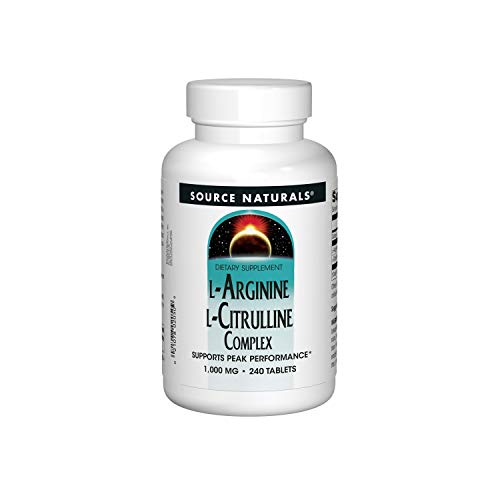
Source Naturals
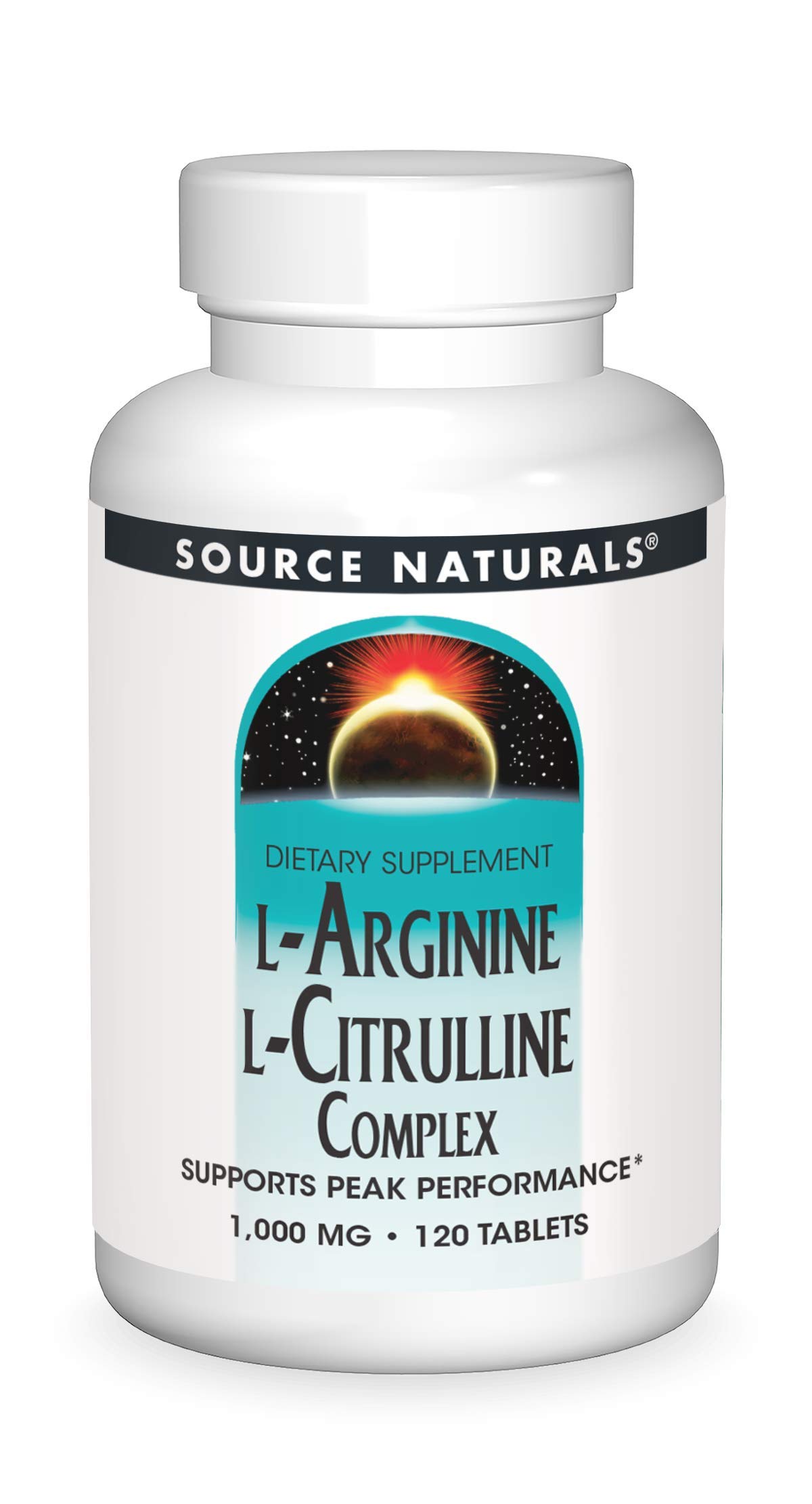
L-Arginine L-Citrulline Complex
❤️ for Heart
63
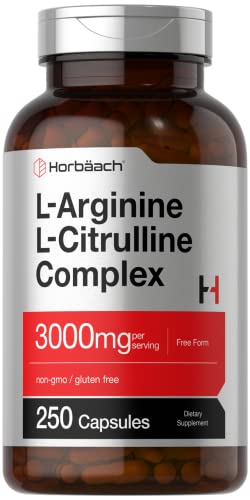
Horbäach
L-Arginine L-Citrulline Complex 3000mg
❤️ for Heart
61
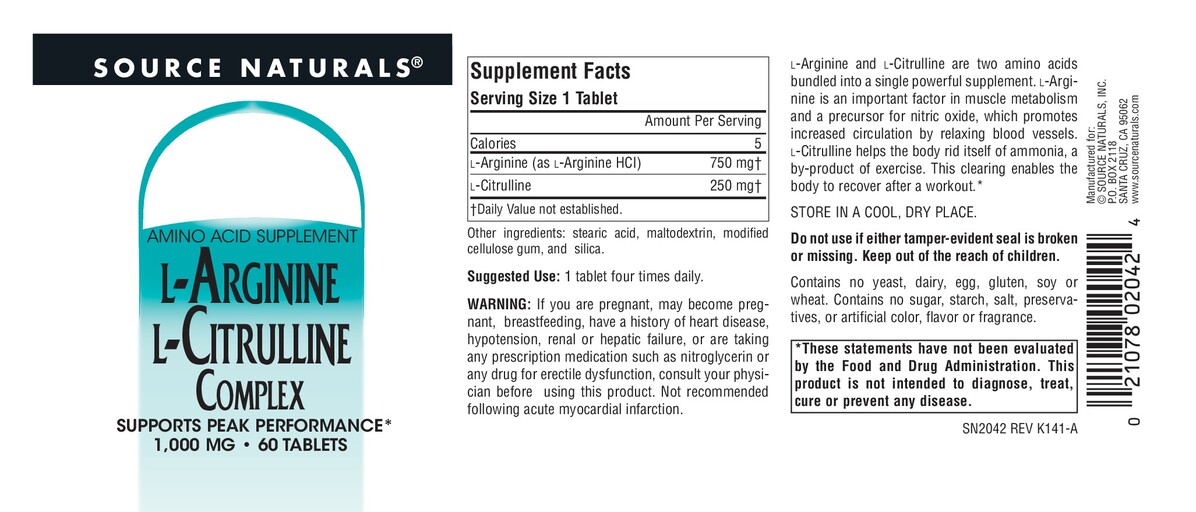
Source Naturals
L-Arginine L-Citrulline Complex 1,000 mg
❤️ for Heart
57
Source Naturals
L-Arginine L-Citrulline Complex 1000 mg
❤️ for Heart
57
Sources & Scoring
Nutrient data (RDA, UL, and safety thresholds) sourced from the NIH Office of Dietary Supplements and the National Academies Dietary Reference Intakes (DRI).
This is not medical advice. Consult a healthcare provider before making changes to your supplement routine.
The score analyzes what's on the label: ingredient doses vs. studied ranges, chemical forms, evidence levels, and known interactions. It does not verify label accuracy or test for contaminants — for that, look for third-party certifications like USP or NSF.