Each teaspoon delivers 2,400 mg of total omega-3 fatty acids — 1,300 mg **EPA** and 850 mg **DHA** — from concentrated wild Alaska Pollock oil. That puts you squarely in the clinically studied range of 1,000–3,000 mg per day for cardiovascular, brain, and inflammatory support. EPA is the primary driver of anti-inflammatory effects shown in meta-analyses, while DHA is the structural omega-3 your brain and retinas depend on.
The oil is in natural **triglyceride form**, which is how omega-3s occur in whole fish. Your body absorbs triglyceride-bound omega-3s significantly better than the ethyl ester form — research shows roughly 70% higher absorption. The liquid format also sidesteps the large capsule problem that makes high-dose fish oil inconvenient for many people, and the lemon flavoring helps mask the fish taste.
A small amount of **mixed tocopherols** (a natural form of vitamin E) is included to prevent the oil from oxidizing, which is standard practice for liquid fish oils. There are no additional active ingredients here — this is a single-purpose omega-3 product. If you already take a fat-soluble vitamin like vitamin D, taking it alongside this oil can improve its absorption since vitamin D requires dietary fat to be properly taken up.
BioStacks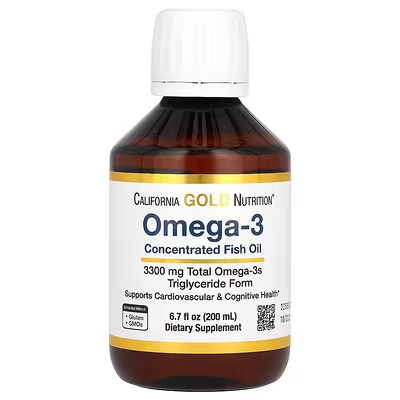
Wiley's Finest
Wild Alaskan Fish Oil Peak Omega-3 Liquid Natural Lemon Flavor
Liquid · 1 tsp · 50 servings · $1.06/serving
Ingredients (2)
Docosahexaenoic Acid
100%Dose
850 mg
Target
250–1000 mg
Form
—
Eicosapentaenoic Acid
100%Dose
1300 mg
Target
500–2000 mg
Form
—
Nutrition
Calories, macros & sodium.
- Calories41 {Calories}
- Calories from Fat41 {Calories}
- Total Fat4.5 Gram(s)
- Saturated Fat0 Gram(s)
- Polyunsaturated Fat3.2 Gram(s)
- Trans Fat0 Gram(s)
- Cholesterol10 mg
Other Ingredients (3)
Natural FlavorsFlavor
Broad regulatory category of flavor constituents derived from natural sources. Composition is proprietary and not disclosed — 'Natural Flavors' can include several hundred different compounds depending on the target flavor profile, including hexane-extracted constituents and proprietary carrier solvents. 'Natural' is a regulatory definition (21 CFR §101.22), not a safety guarantee.
Mixed TocopherolsAntioxidant
Natural vitamin E used as preservative
Fish Oil, PurifiedLipid Base
Purified oil from fish used as a carrier and lipid base in omega-3 and fat-soluble supplements
How to Take It
Take it anytime
Take with a meal — absorption improves with dietary fat and it prevents fishy burps.
With food
On the label
Recommended Use: As a dietary supplement, take 1 teaspoon daily with food.
General guidance based on the ingredients, not a substitute for the label or your doctor.
Price Check
$52.79
Pricier than 91% of 382 omega-3 supplements
Track this supplement in your stack
Get personalized insights, interactions, and coverage recommendations.
Get Started FreeSimilar Supplements
Momentous
Omega-3
❤️ for Heart
100
California Gold Nutrition
Norwegian Extra Strength Omega 3 Fish Oil, Natural Lemon, 6.7 fl oz (200 ml)
❤️ for Heart
99
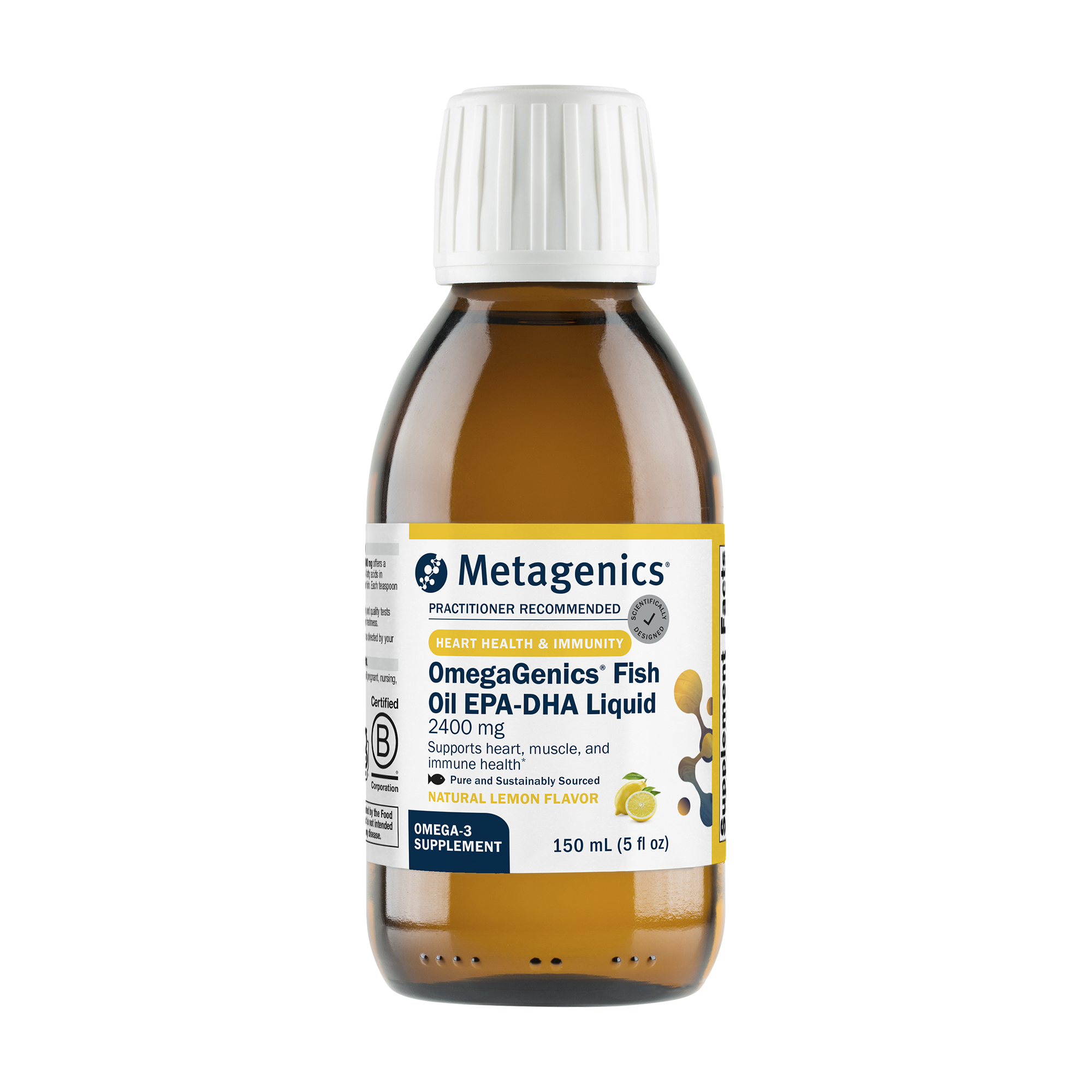
Metagenics
OmegaGenics Fish Oil EPA-DHA 2400 mg (Lemon)
❤️ for Heart
99
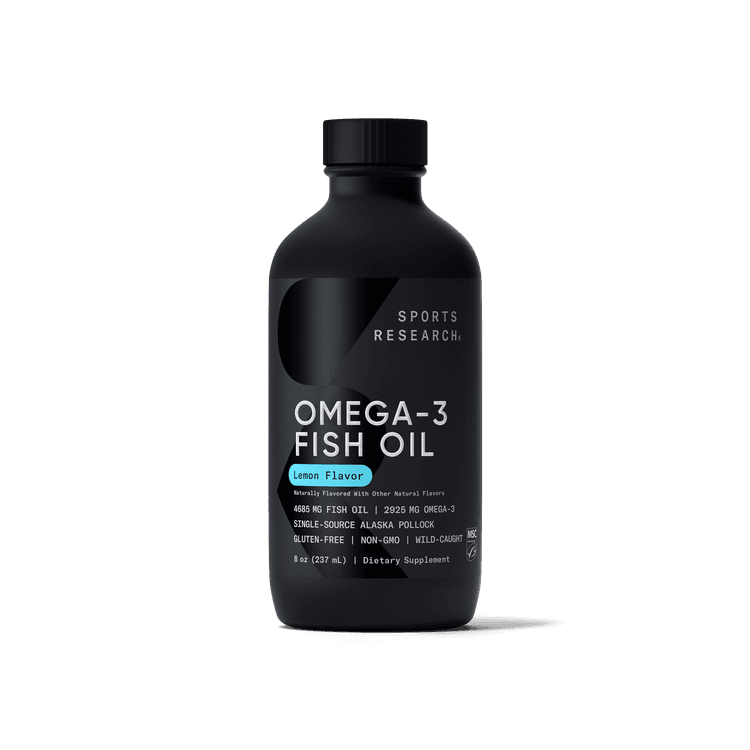
Sports Research
Omega-3 Fish Oil Liquid (Lemon Flavor)
❤️ for Heart
99
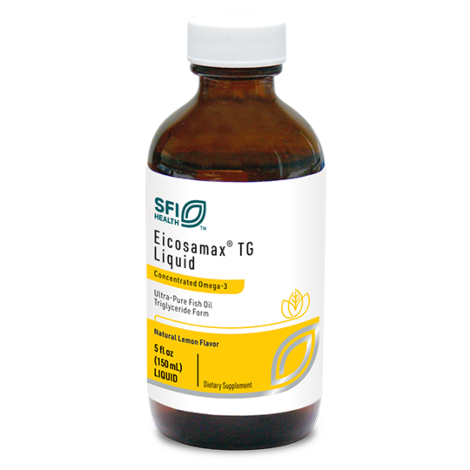
SFI Health
Eicosamax TG Liquid Natural Lemon Flavor
❤️ for Heart
98
Sources & Scoring
Nutrient data (RDA, UL, and safety thresholds) sourced from the NIH Office of Dietary Supplements and the National Academies Dietary Reference Intakes (DRI).
This is not medical advice. Consult a healthcare provider before making changes to your supplement routine.
The score analyzes what's on the label: ingredient doses vs. studied ranges, chemical forms, evidence levels, and known interactions. It does not verify label accuracy or test for contaminants — for that, look for third-party certifications like USP or NSF.