For skin elasticity, hydration, and joint support, this delivers 6,000 mg (6 g) of **Hydrolyzed Collagen** per serving — solidly within the 5-15 g clinical range studied for these benefits. Most skin-focused collagen trials show measurable improvements starting at 2.5-5 g daily, so this dose gives you a comfortable margin. The 90 mg of **Vitamin C** supports your body's own collagen production, since vitamin C is a required cofactor for collagen synthesis.
The collagen is hydrolyzed, meaning it has been broken down into smaller peptides for better absorption. What this means for you: the tablet format keeps the formula simple — just collagen and vitamin C with no fillers competing for space.
The tradeoff is pill burden: the serving size is 6 tablets daily. That is a lot of tablets to swallow, and it is the main practical barrier to consistent use. If you find that manageable, the dose and formula are well-suited for skin and joint goals. If swallowing 6 tablets feels excessive, a powder format may be easier to stick with long-term.
BioStacks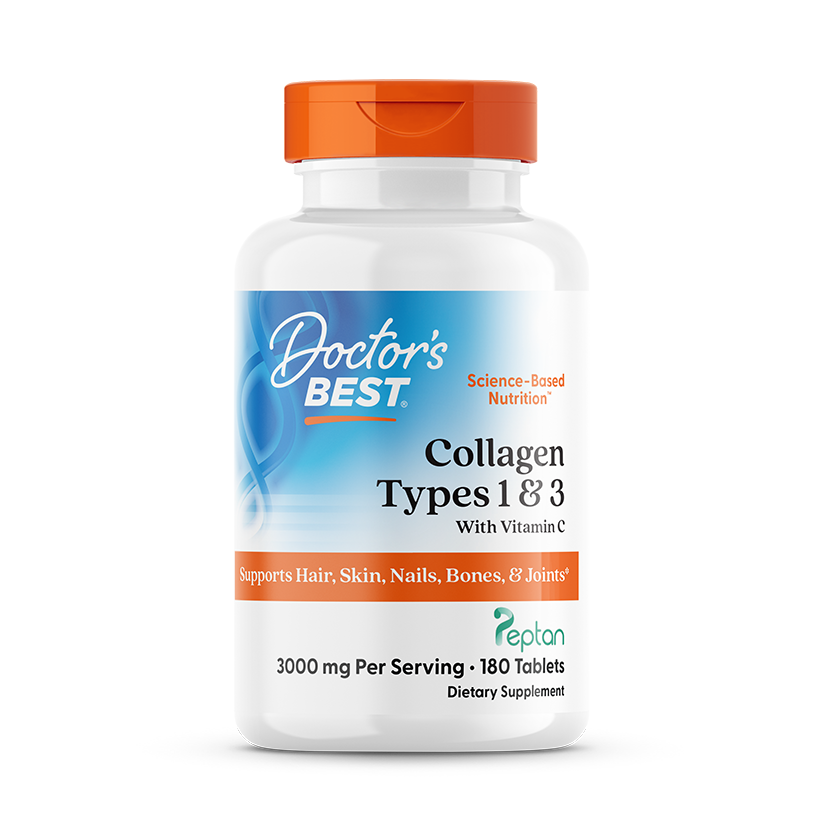
Other Ingredients (1)
Magnesium StearateLubricant
A salt of stearic acid used as a lubricant in tablet and capsule production
How to Take It
Take it anytime
Timing doesn't matter — daily consistency over weeks is what moves outcomes.
With or without food
On the label
Suggested Use: (Adults) take six (6) tablets per day, all at once or in divided doses.
General guidance based on the ingredients, not a substitute for the label or your doctor.
Price Check
$19.99
Near the median of 375 vitamin C supplements
Track this supplement in your stack
Get personalized insights, interactions, and coverage recommendations.
Get Started FreeSimilar Supplements
Doctor's Best
Collagen Types 1 and 3 with Peptan and Vitamin C, 1000 mg
✨ for Skin
80
Ancient Nutrition
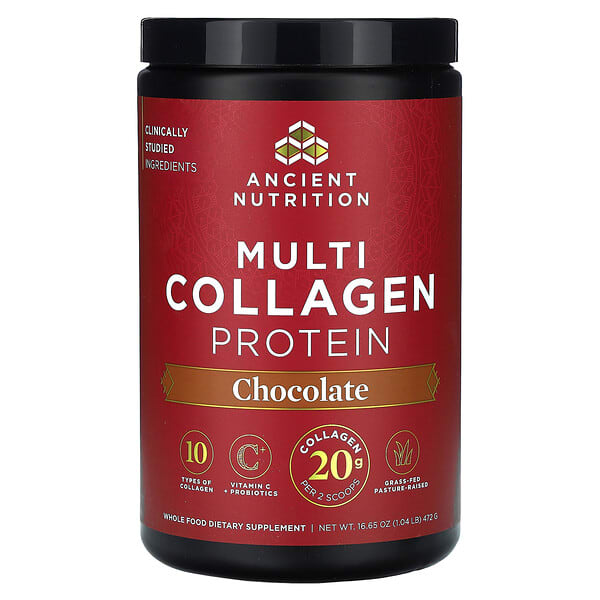
Multi Collagen Protein Chocolate
✨ for Skin
77
Doctor's Best
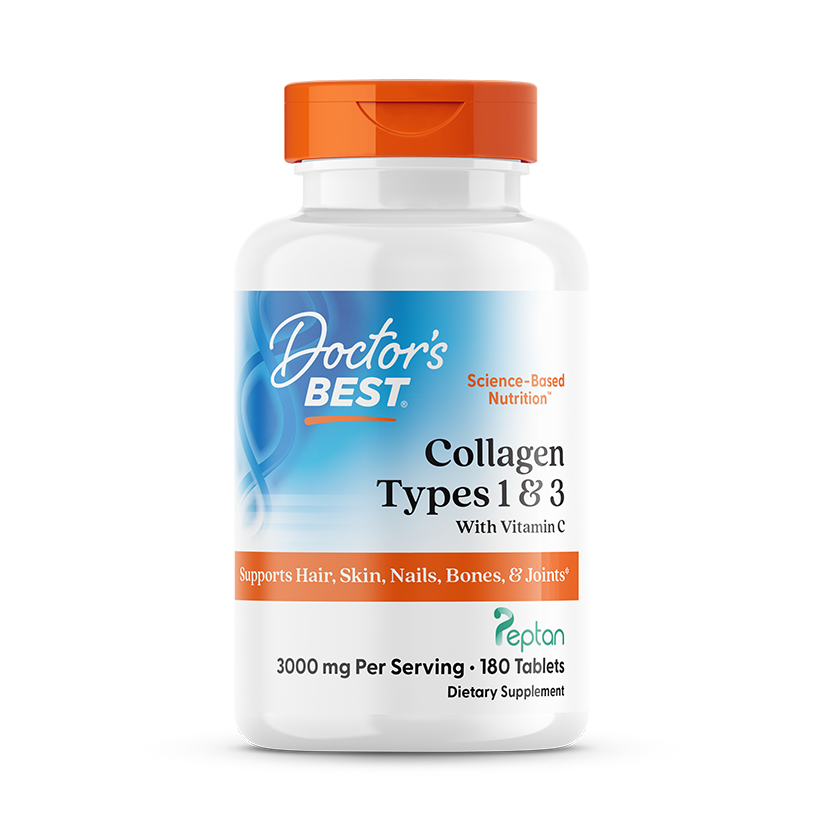
Collagen Types 1 and 3 with Peptan and Vitamin C
🛡️ for Immune
76
NeoCell
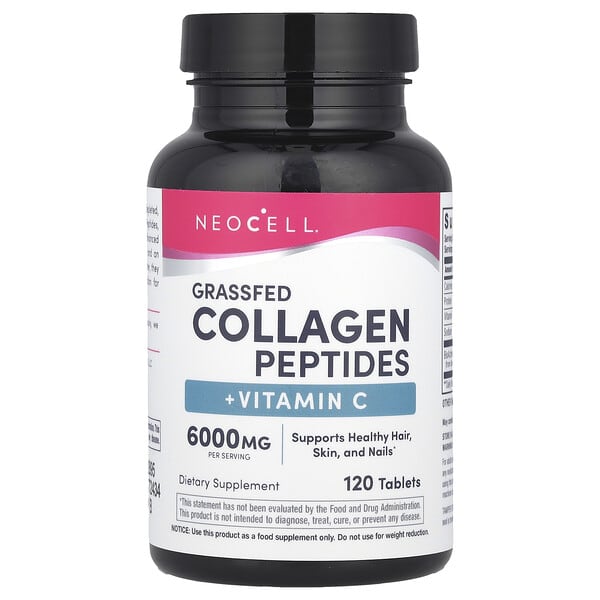
Grassfed Collagen Peptides + Vitamin C
✨ for Skin
73
youtheory
Collagen 6,000 mg
✨ for Skin
72
Sources & Scoring
Nutrient data (RDA, UL, and safety thresholds) sourced from the NIH Office of Dietary Supplements and the National Academies Dietary Reference Intakes (DRI).
This is not medical advice. Consult a healthcare provider before making changes to your supplement routine.
The score analyzes what's on the label: ingredient doses vs. studied ranges, chemical forms, evidence levels, and known interactions. It does not verify label accuracy or test for contaminants — for that, look for third-party certifications like USP or NSF.