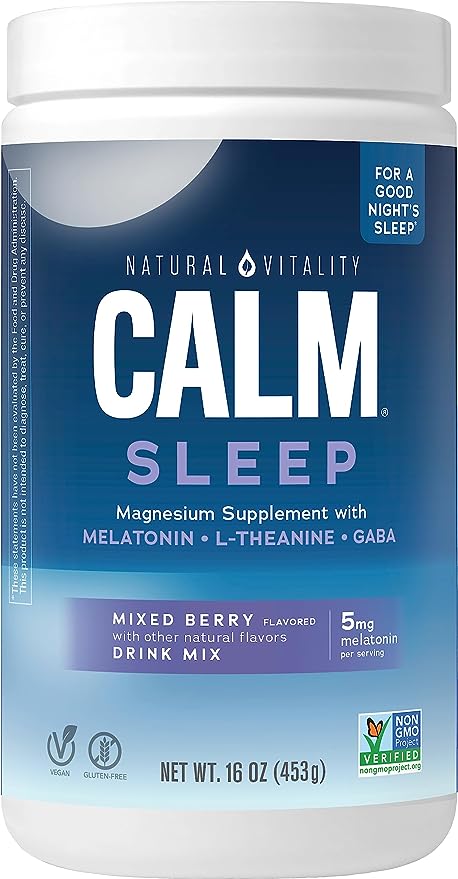
You're getting 300mg of **Magnesium** as citrate — solidly within the 100–400mg clinical range and enough to support muscle relaxation, stress reduction, and sleep quality. The powder format dissolves in water for easy absorption, and citrate is a well-absorbed form, though it can have a mild laxative effect at higher doses.
The formula adds **L-Theanine** and **GABA** at 100mg each. L-Theanine promotes calm without drowsiness, but the most-studied single dose for relaxation is 200mg — so you're getting half of that. GABA's ability to cross the blood-brain barrier when taken orally is still debated in the research, and the clinical evidence for supplemental GABA remains limited.
The magnesium dose is the real strength here. If you're taking this primarily for relaxation or sleep, the L-Theanine is a nice addition but falls short of the dose used in most studies — you'd get more from it at 200mg.
BioStacks
Best for
Ingredients (3)
Magnesium
100%Dose
300 mg
Target
100–400 mg
Form
Standard
L-Theanine
100%Dose
100 mg
Target
100–250 mg
Form
—
GABA
100%Dose
100 mg
Target
100–300 mg
Form
—
Other Ingredients (4)
XylitolSweetener
A FODMAP sugar alcohol that can cause GI distress (bloating, gas, diarrhea) at moderate doses (>10-20g/day), though supplement amounts are typically small. Extremely toxic to dogs — households with pets should store securely.
Natural FlavorsFlavor
Broad regulatory category of flavor constituents derived from natural sources. Composition is proprietary and not disclosed — 'Natural Flavors' can include several hundred different compounds depending on the target flavor profile, including hexane-extracted constituents and proprietary carrier solvents. 'Natural' is a regulatory definition (21 CFR §101.22), not a safety guarantee.
GlycineAmino Acid
Non-essential amino acid; smallest of the 20 proteinogenic amino acids. Mildly sweet taste — sometimes used as a low-glycemic flavor modifier in addition to its bioactive role
Stevia ExtractSweetener
Zero-calorie natural sweetener extracted from the leaves of Stevia rebaudiana
How to Take It
Best taken in the evening
Used in the evening for relaxation.
With or without food
Space it a couple of hours from Iron and Calcium
On the label
Suggested Use: Mix one (1) runded scoop with 4 oz. of hot water. Stir until dissolved. Then add 2-4 oz. of cold or warm water. Drink.
General guidance based on the ingredients, not a substitute for the label or your doctor.
Price Check
$19.19
Near the median of 579 magnesium supplements
Track this supplement in your stack
Get personalized insights, interactions, and coverage recommendations.
Get Started FreeSimilar Supplements
Sources & Scoring
Nutrient data (RDA, UL, and safety thresholds) sourced from the NIH Office of Dietary Supplements and the National Academies Dietary Reference Intakes (DRI).
This is not medical advice. Consult a healthcare provider before making changes to your supplement routine.
The score analyzes what's on the label: ingredient doses vs. studied ranges, chemical forms, evidence levels, and known interactions. It does not verify label accuracy or test for contaminants — for that, look for third-party certifications like USP or NSF.