BioStacks
Best for
Ingredients (2)
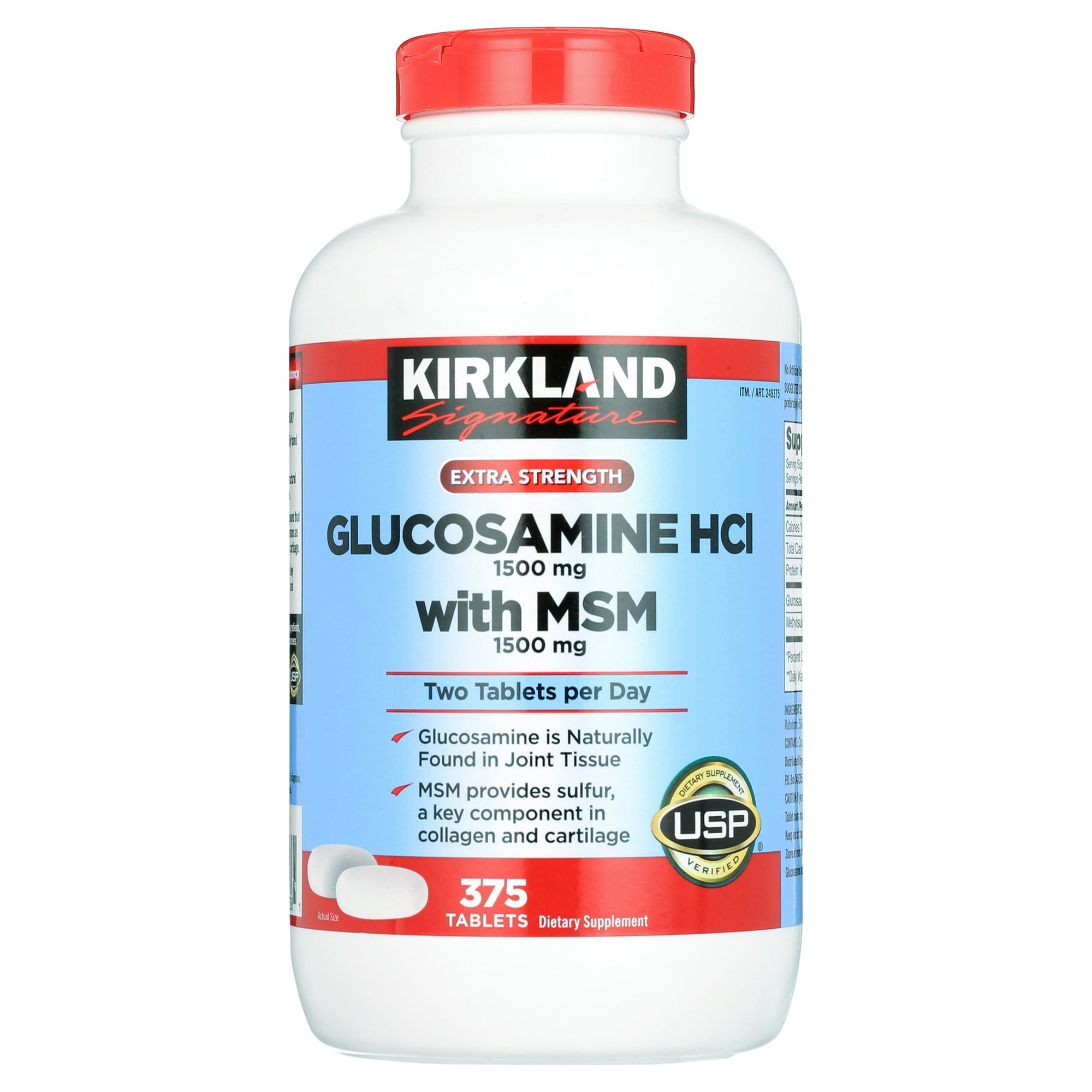
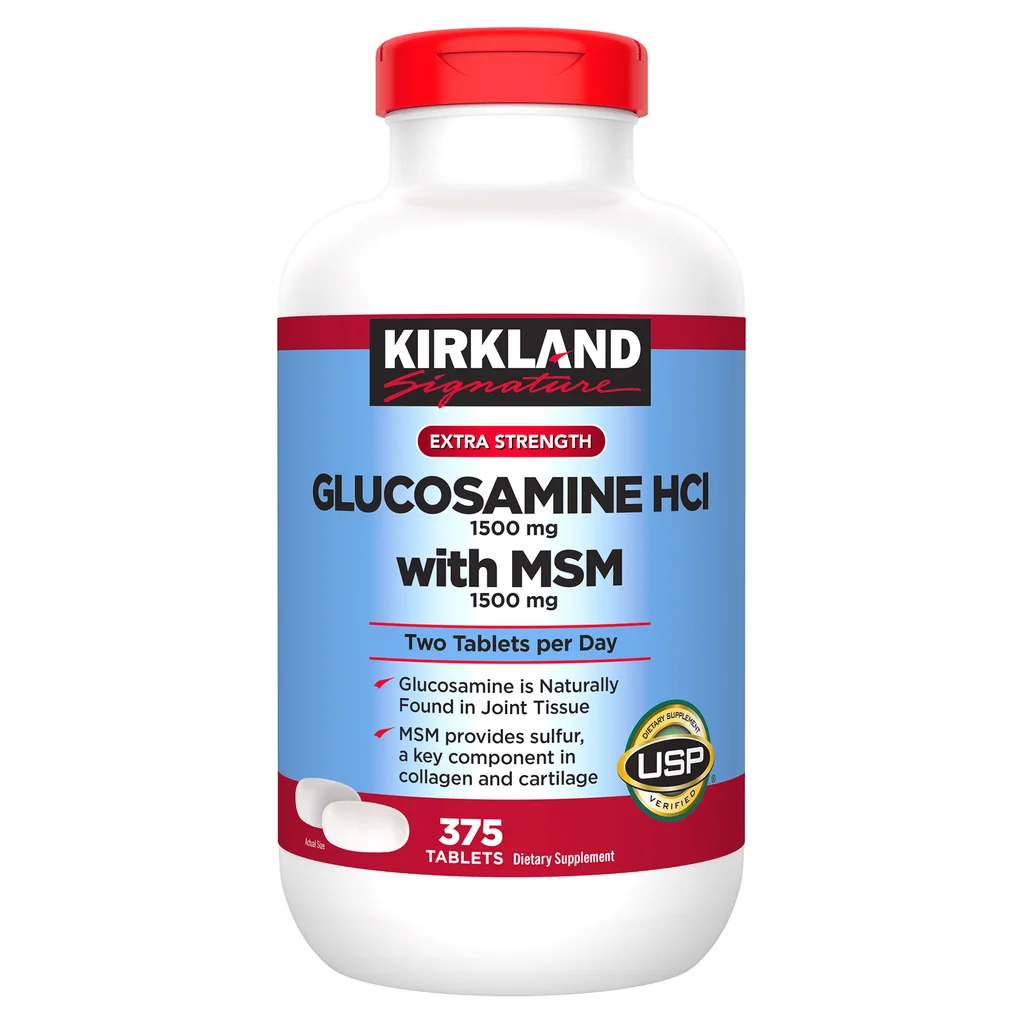
Glucosamine HCl
100%Dose
1500 mg
Target
1000–1500 mg
Form
—
Methylsulfonylmethane
100%Dose
1500 mg
Target
1000–3000 mg
Form
—
Nutrition
Calories, macros & sodium.
- Calories8 Calorie(s)
- Total Carbohydrates2 Gram(s)
Other Ingredients (12)
TalcAnti-caking
IARC classifies cosmetic-grade talc not containing asbestos as Group 2B (possibly carcinogenic to humans); perineal talc use as Group 2A (probably carcinogenic). Johnson & Johnson voluntarily withdrew talc-based baby powder from US/Canada in 2020 and globally in 2022 after extensive litigation tied to ovarian-cancer and mesothelioma cases. The 2018 FDA contamination survey found asbestos in 9 of 52 cosmetic talc products tested. As a supplement excipient talc is a pure manufacturing convenience — no nutritional or functional benefit to the user — so the asbestos-exposure risk has no offsetting upside. Safer alternatives (silicon dioxide, microcrystalline cellulose, rice hulls) are widely available.
Magnesium StearateLubricant
A salt of stearic acid used as a lubricant in tablet and capsule production
Mineral OilEmollient
A highly refined petroleum-derived oil used as an occlusive emollient and lubricant
Polyethylene Glycol (Coating)Coating
A polyether polymer used as a tablet coating and plasticizer
Silicon DioxideAnti-caking
Fine silica powder used to prevent clumping
Croscarmellose SodiumDisintegrant
Cross-linked cellulose derivative used as a superdisintegrant
CrospovidoneDisintegrant
Cross-linked synthetic polymer used as a tablet disintegrant to help tablets break apart quickly in the stomach
Hydroxypropyl CelluloseBinder
An inert modified-cellulose polymer used as a binder, film-former, and disintegrant.
How to Take It
Take it anytime
Take with food to avoid stomach upset. Benefits, where they exist, take weeks of daily use to appear.
With food
On the label
Directions: For adults, take two (2) caplets daily, preferably with a meal.
General guidance based on the ingredients, not a substitute for the label or your doctor.
Price Check
No price yet
What 54 glucosamine sulfate supplements cost
Track this supplement in your stack
Get personalized insights, interactions, and coverage recommendations.
Get Started FreeSimilar Supplements
Sources & Scoring
Nutrient data (RDA, UL, and safety thresholds) sourced from the NIH Office of Dietary Supplements and the National Academies Dietary Reference Intakes (DRI).
This is not medical advice. Consult a healthcare provider before making changes to your supplement routine.
The score analyzes what's on the label: ingredient doses vs. studied ranges, chemical forms, evidence levels, and known interactions. It does not verify label accuracy or test for contaminants — for that, look for third-party certifications like USP or NSF.