BioStacks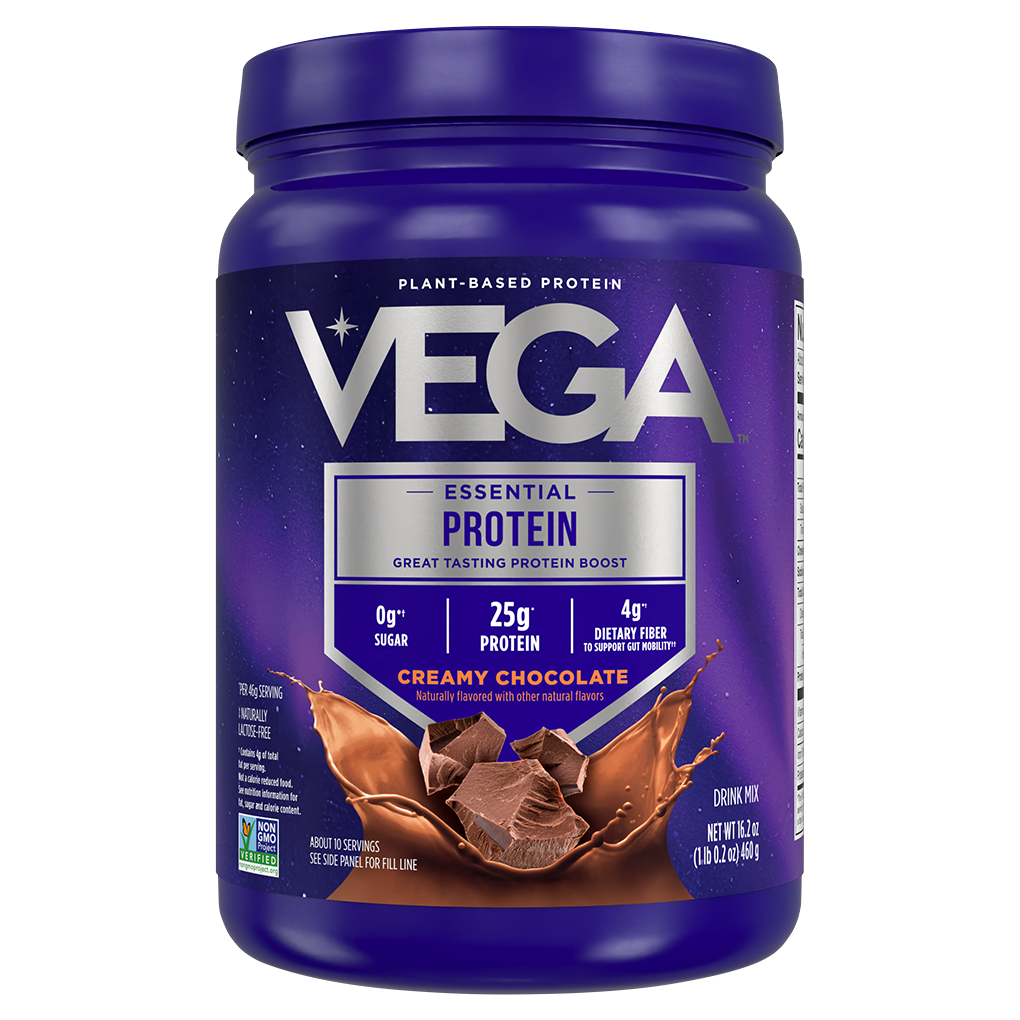
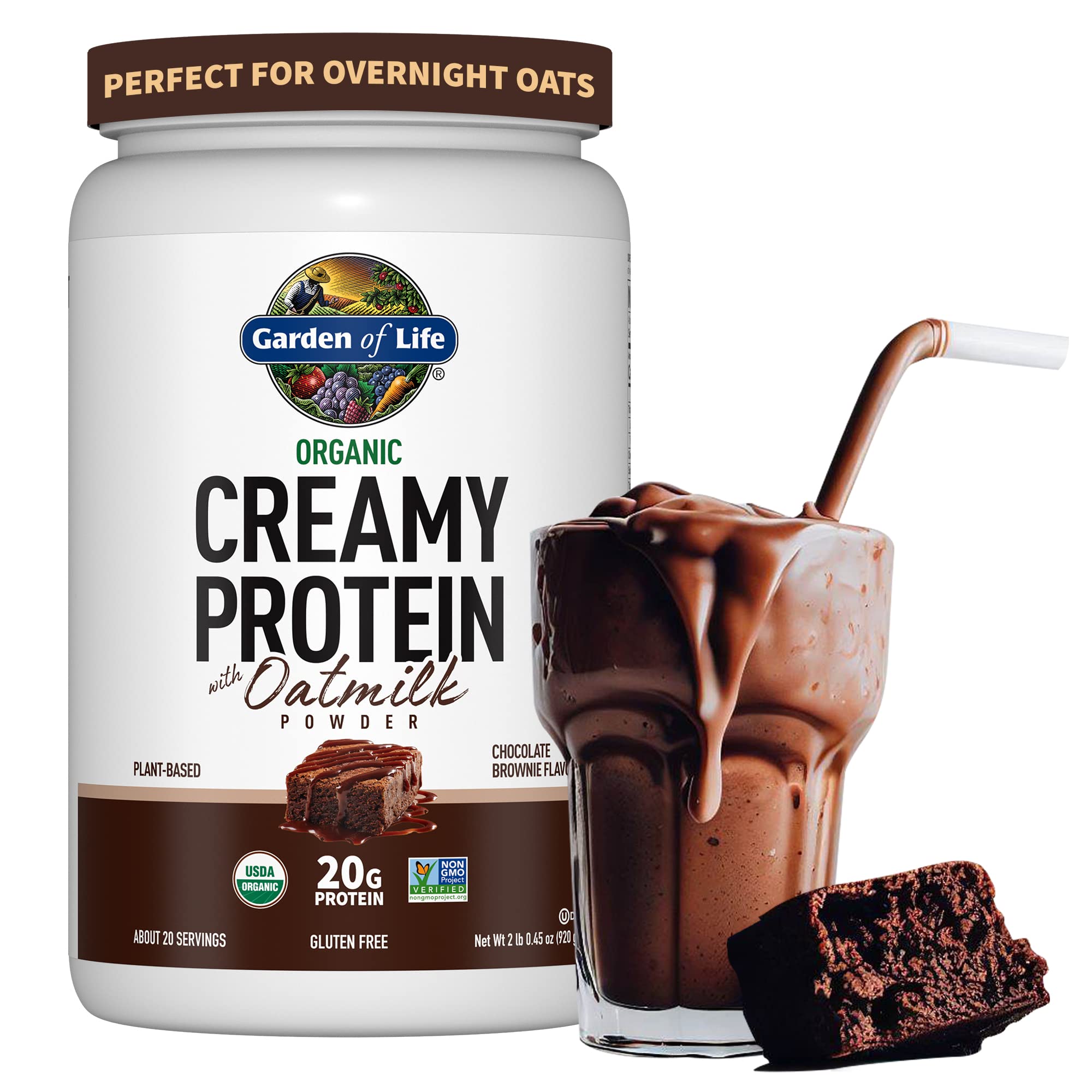
Ingredients (3)
Dietary Protein
100%Dose
20 g
Target
20–30 g
Form
—
Calcium
100 mgTrace amount — not scored
Iron
1.3 mgTrace amount — not scored
Nutrition
Calories, macros & sodium.
- Sodium120 mg
- Dietary Fiber1 g
- Sugar Alcohol2 g
Other Ingredients (8)
ErythritolSweetener
Witkowski et al. 2023 (Nature Medicine, PMID 36849732) reported elevated plasma erythritol associated with major adverse cardiovascular events (MACE) in two cohorts (n=4,000+), with in-vitro and ex-vivo evidence of enhanced platelet aggregation. Replication is ongoing; FDA and EFSA have not changed their safety positions, but the signal is real and the additive is purely cosmetic. Better-established concern: GI tolerance — single doses above ~50 g cause osmotic diarrhea. Lower threshold for children.
Natural FlavorsFlavor
Broad regulatory category of flavor constituents derived from natural sources. Composition is proprietary and not disclosed — 'Natural Flavors' can include several hundred different compounds depending on the target flavor profile, including hexane-extracted constituents and proprietary carrier solvents. 'Natural' is a regulatory definition (21 CFR §101.22), not a safety guarantee.
CocoaFlavor
Common food ingredient used for chocolate flavoring in supplements
Monk Fruit ExtractSweetener
Zero-calorie natural sweetener derived from the monk fruit (Siraitia grosvenorii)
Sea SaltFlavor
Basic food-grade salt used for taste in supplements
Stevia ExtractSweetener
Zero-calorie natural sweetener extracted from the leaves of Stevia rebaudiana
Sunflower LecithinEmulsifier
Non-GMO, non-allergenic emulsifier derived from sunflower seeds
Whey ProteinProtein Source
Common dairy-derived protein that sometimes appears in the other ingredients list due to label parsing
How to Take It
Take it anytime
Timing doesn't matter for this one — taking it consistently does.
With or without food
On the label
As a dietary supplement, adults take 1 scoop daily mixed with 10-12 oz of water or other beverage or as directed by a trainer, coach, or health professional.
General guidance based on the ingredients, not a substitute for the label or your doctor.
Price Check
$59.60
Pricier than 91% of 118 hydration supplements
Track this supplement in your stack
Get personalized insights, interactions, and coverage recommendations.
Get Started FreeSimilar Supplements
Vega
Essential Protein (Creamy Chocolate)
💪 for Muscle
95
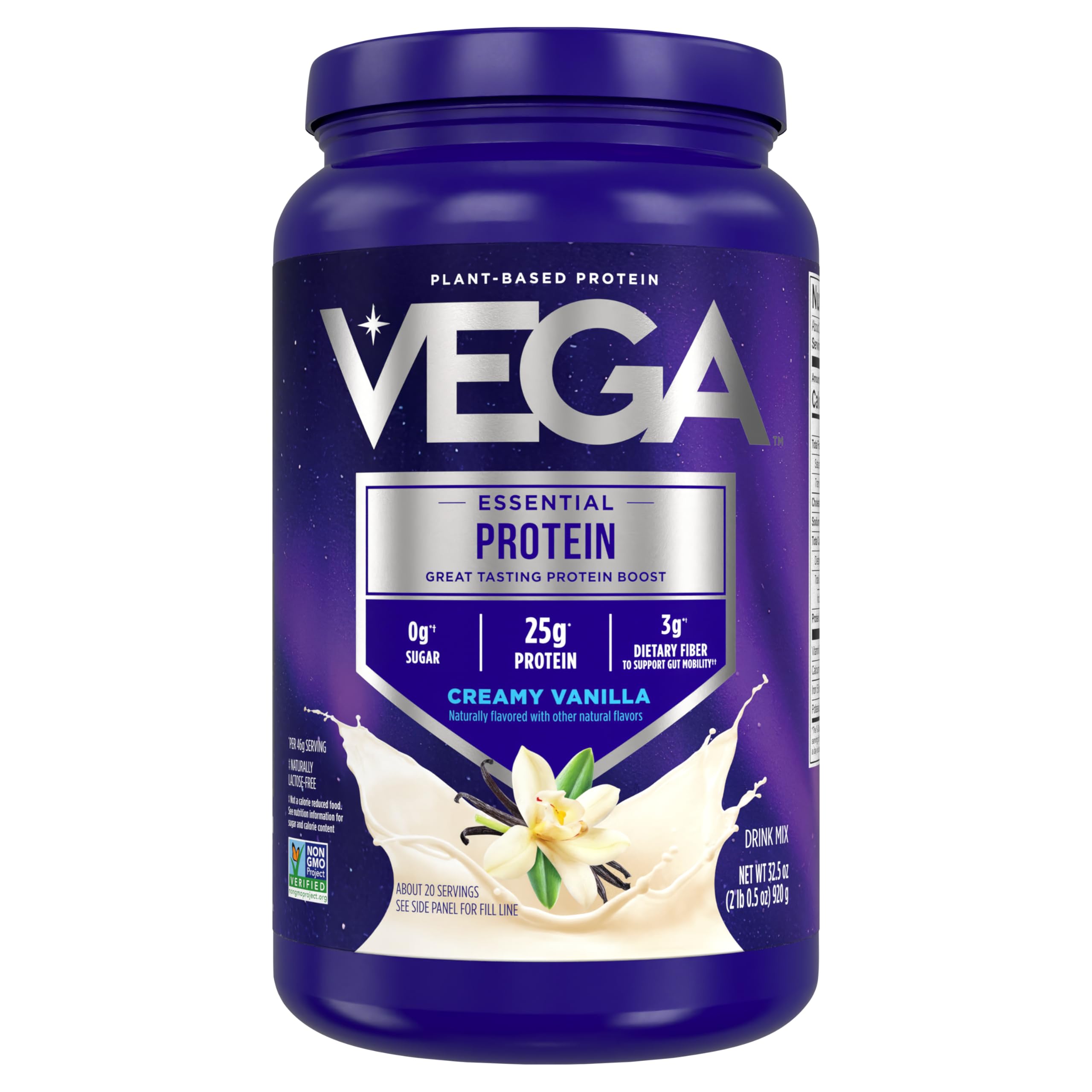
Vega
Essential Protein (Creamy Vanilla)
💪 for Muscle
95
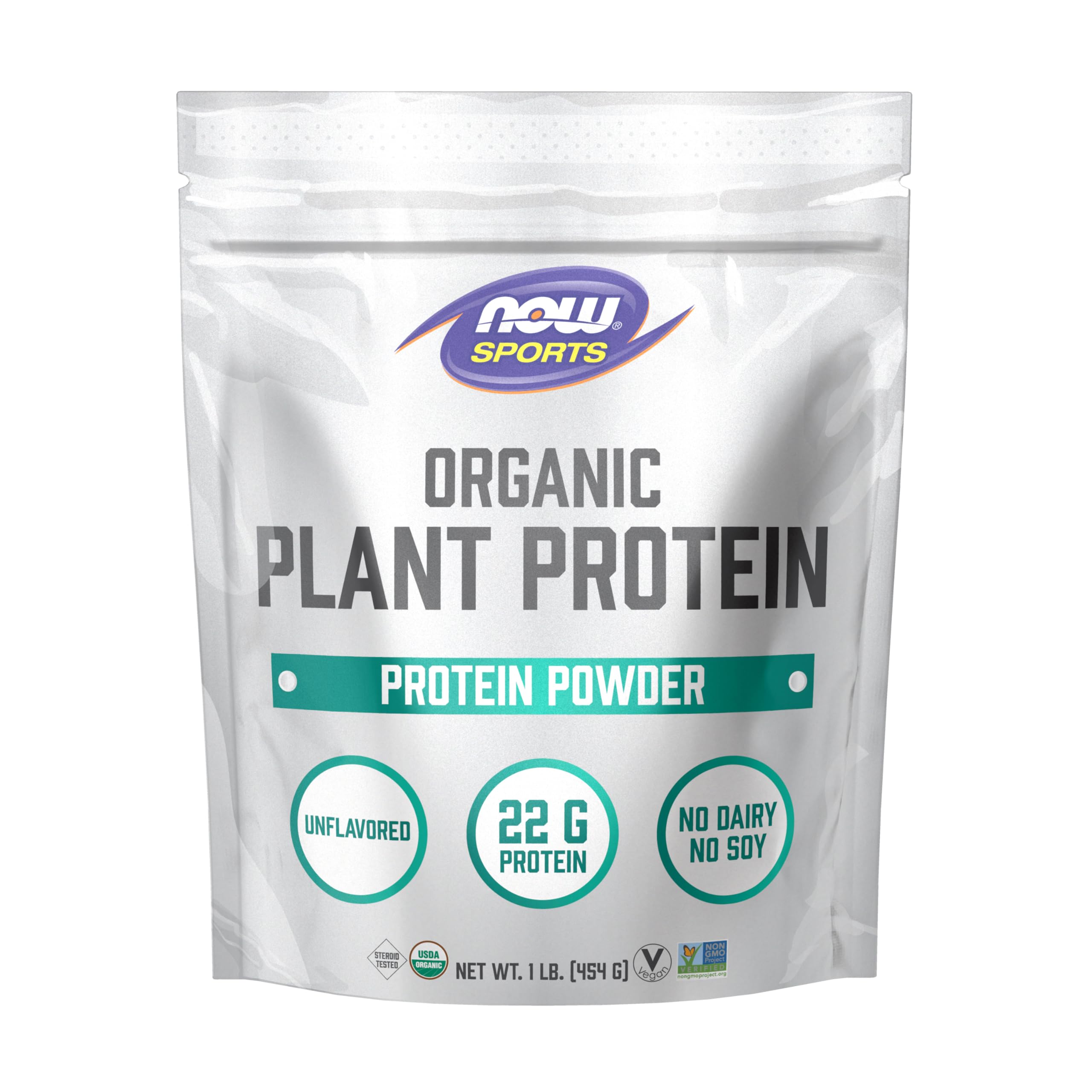
NOW
Organic Plant Protein (Unflavored)
💪 for Muscle
92
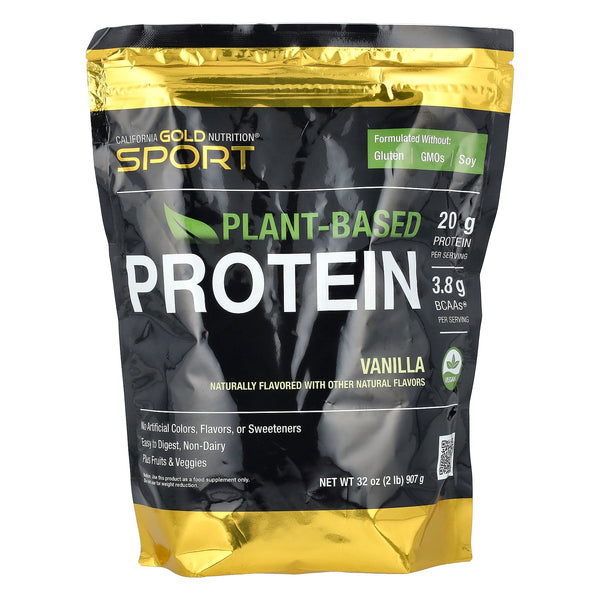
California Gold Nutrition
Plant-Based Protein 20 g (Vanilla)
💪 for Muscle
90
Garden of Life
Organic Creamy Protein with Oatmilk (Chocolate Brownie)
💪 for Muscle
90
Sources & Scoring
Nutrient data (RDA, UL, and safety thresholds) sourced from the NIH Office of Dietary Supplements and the National Academies Dietary Reference Intakes (DRI).
This is not medical advice. Consult a healthcare provider before making changes to your supplement routine.
The score analyzes what's on the label: ingredient doses vs. studied ranges, chemical forms, evidence levels, and known interactions. It does not verify label accuracy or test for contaminants — for that, look for third-party certifications like USP or NSF.