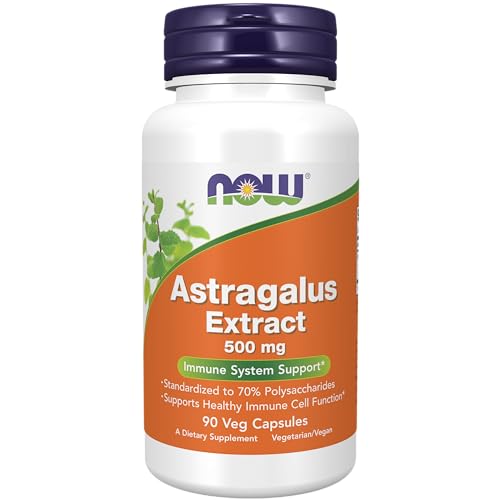
This product provides 1,410 mg of **astragalus root** per serving (3 capsules) using whole root powder. Astragalus (Astragalus membranaceus) has a long history in traditional Chinese medicine, primarily used for immune support. The clinical evidence from human trials is still limited — a handful of small RCTs suggest it may support immune cell activity and help your body manage seasonal stress on the immune system, but large-scale confirmatory studies are lacking.
You're getting whole root powder rather than a standardized extract. Most clinical trials use extracts standardized to specific compounds like astragalosides or polysaccharides, which concentrate the active components. Whole root powder delivers a broader range of plant compounds but at lower concentrations per milligram. The 1,410 mg dose is within the traditional use range, and the twice-daily dosing (2,820 mg total) keeps you at a reasonable daily intake.
If you're considering this for immune support, set your expectations based on the current evidence level, which remains preliminary. Astragalus may be worth including as part of a broader immune-support routine, but the research hasn't yet produced the large-scale confirmatory trials that would make it a high-confidence recommendation on its own.
BioStacks
Ingredients (1)
Astragalus
100%Dose/day
2820 mg
Target
200–500 mg
Form
—
Other Ingredients (2)
Microcrystalline CelluloseBinder
Plant-derived cellulose used as a binder and filler in supplements
HypromelloseCapsule
Plant-derived capsule material from cellulose
How to Take It
Take it anytime
Timing doesn't matter for this one — taking it consistently does.
With or without food
Split into 2 doses across the day
On the label
Recommendation: Take 3 capsules twice daily.
General guidance based on the ingredients, not a substitute for the label or your doctor.
Price Check
$15.99
Near the median of 22 huang qi supplements
Track this supplement in your stack
Get personalized insights, interactions, and coverage recommendations.
Get Started FreeSimilar Supplements
Sources & Scoring
Nutrient data (RDA, UL, and safety thresholds) sourced from the NIH Office of Dietary Supplements and the National Academies Dietary Reference Intakes (DRI).
This is not medical advice. Consult a healthcare provider before making changes to your supplement routine.
The score analyzes what's on the label: ingredient doses vs. studied ranges, chemical forms, evidence levels, and known interactions. It does not verify label accuracy or test for contaminants — for that, look for third-party certifications like USP or NSF.